.svg&w=384&q=75 "logo")
Marc-André ter Stegen: A New Era for Germany’s Goalkeeping
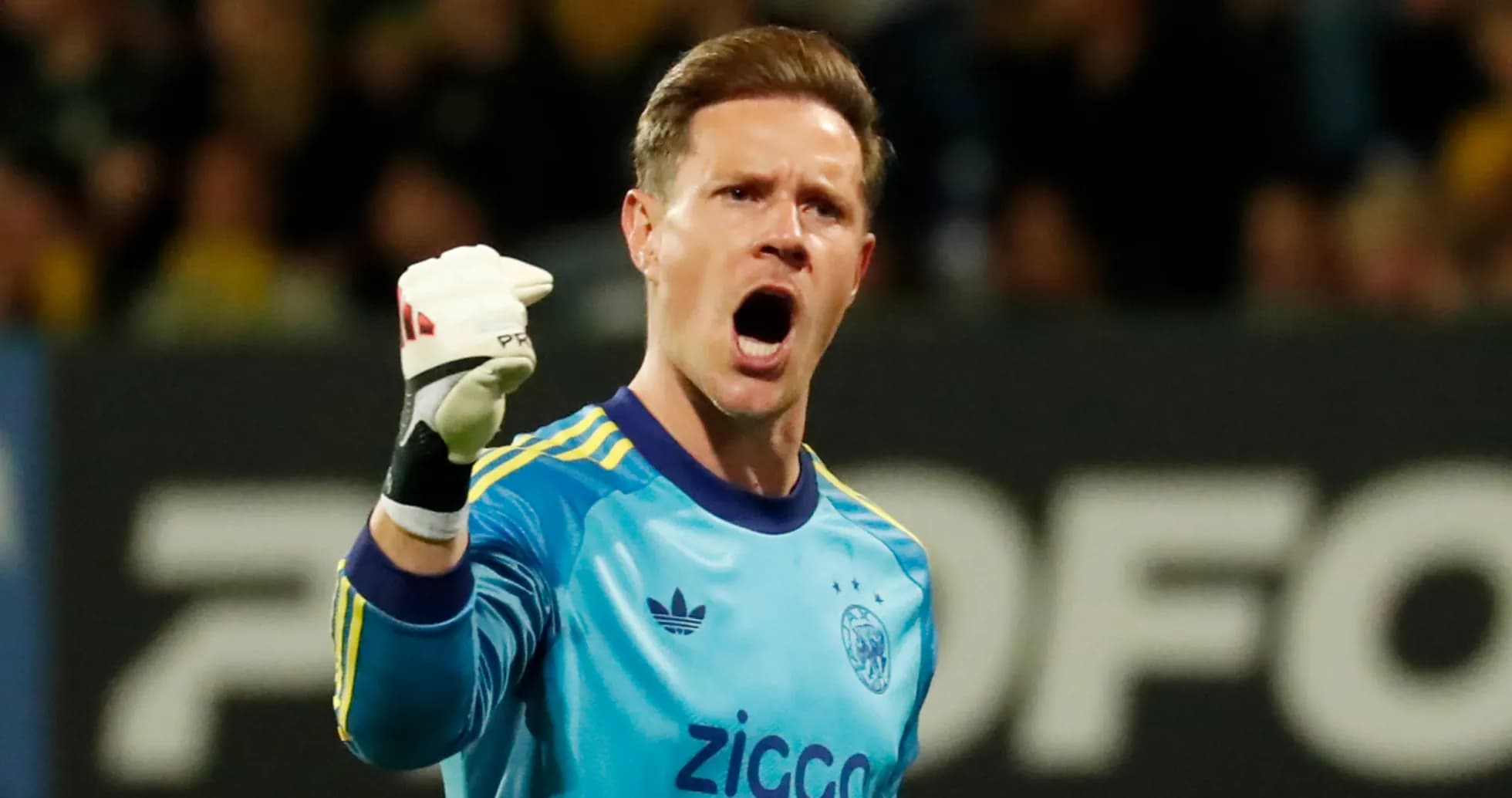
The debate is over. In Germany’s goal, there is no longer a question mark.
Jürgen Klopp has handed the No. 1 shirt to Marc-André ter Stegen, ending years of shadowboxing behind Manuel Neuer and finally drawing a clear line under one of the great eras in German football.
A New Guardian for Die Mannschaft
For so long, ter Stegen has lived in the space between recognition and regret: clearly world-class, yet always second in line to a generational giant. Now, with Neuer retired from international duty, Klopp has made his move.
"Yes, for the moment, there is one, Marc-Andre ter Stegen," the new national team coach confirmed when asked if he had a first-choice goalkeeper. No caveats. No diplomatic dance. Klopp wants stability at the back, and he has nailed his colours to the Barcelona keeper’s gloves.
Ter Stegen, currently on loan at Ajax as he rebuilds rhythm and confidence, steps into a role he has been circling for nearly a decade. The circumstances are familiar in football: a legend steps aside, the heir finally ascends. The pressure, though, is entirely his.
Life After Neuer
Neuer’s decision to end his international career closes a chapter that reshaped the position. The former Bayern Munich captain didn’t just keep goal; he redefined it. Sweeper-keeper, playmaker, last line and first attacker. For years, he was the standard.
Klopp knows exactly what Germany is losing. He called Neuer "the best goalkeeper in the world for a long time" and spoke openly about the void he leaves. But he was just as clear that this is not a consolation prize for ter Stegen.
"Everyone knew that Ter Stegen was world-class too," Klopp said. An ill-timed injury, he noted, had stalled the 32-year-old’s momentum at a crucial point. Now, Klopp insists, the keeper is fully fit and back to his previous level, bringing with him the calm of experience and a strong early impression in camp.
A new identity for Die Mannschaft is taking shape, and Klopp wants it built on a spine he can trust. Around that, he plans to throw in youth, energy, and risk. At the back, though, he has chosen certainty.
A 44-Man Statement
The decision on the goalkeeper comes wrapped inside a far broader revolution. Klopp has named an enormous 44-man selection for the upcoming international break, split across two separate squads. It is not a gentle introduction. It is an audit.
The UEFA Nations League fixtures will be his first serious look at the depth of German football under his watch. Four games, two squads, one big experiment.
Germany will face the Netherlands, Greece, Serbia, and then a reverse fixture against Greece. Different combinations, different partnerships, and a manager determined to see who can live with the pace and pressure of his demands.
Between the posts, the hierarchy is clear but the competition is real. Alongside ter Stegen, Augsburg’s Finn Dahmen and Besiktas keeper Alexander Nübel are included for the first two matches. Dahmen, notably, is the only goalkeeper named in both squads, a thread running through Klopp’s sprawling selection. He will work alongside Freiburg’s Noah Atubolu and Bayern Munich’s Jonas Urbig, both part of the next generation pushing from below.
Ter Stegen’s Moment
Klopp has been blunt about what comes next: "Everything depends on performance." Reputation gets you in the room; form keeps you there.
For ter Stegen, that means the Nations League is not a ceremonial coronation but an immediate examination. Every cross claimed, every pass played under pressure, every one-on-one will be read as a verdict on whether he can turn long-promised succession into undisputed rule.
The stage is set: a rebuilt Germany, a demanding new coach, a crowded training camp, and a vacancy that once felt impossible to inherit. Neuer’s shadow will hang over the goal for a while yet.
The question now is simple: can ter Stegen turn this long-awaited chance into his own era, or will Klopp’s sweeping overhaul open the door for someone else to come charging through?