.svg&w=384&q=75 "logo")
JJ Gabriel: Manchester United's Shocking Exit Demand
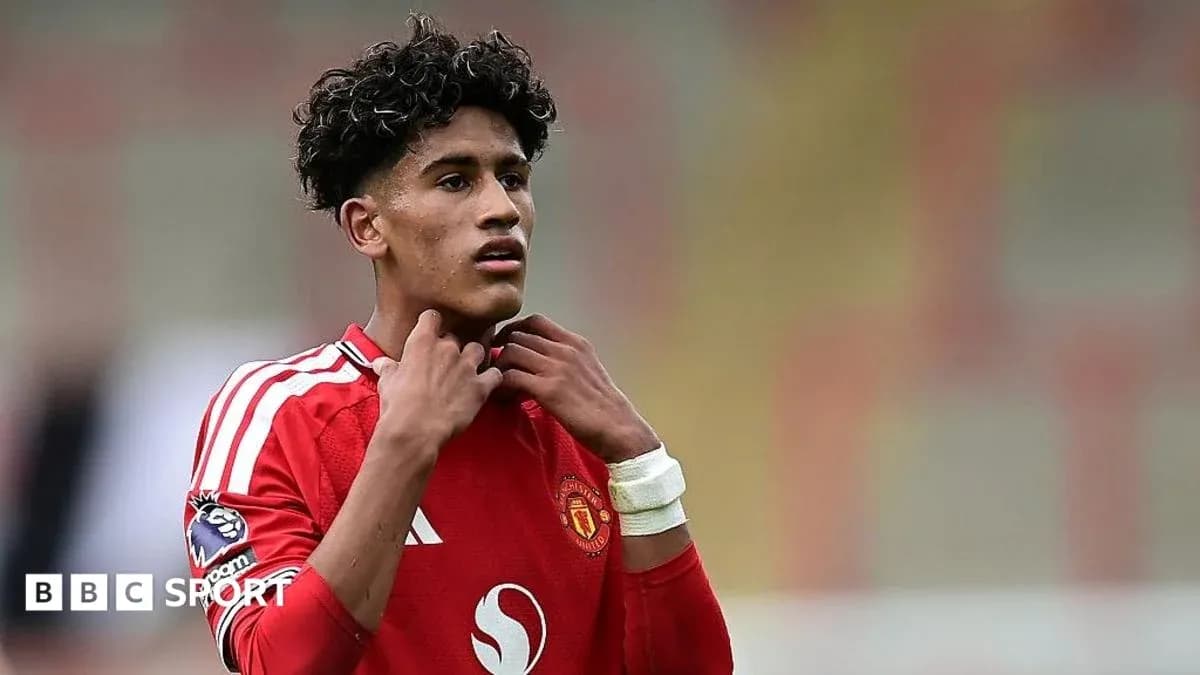
The most talked‑about teenager in English football has just lit a fuse under Old Trafford.
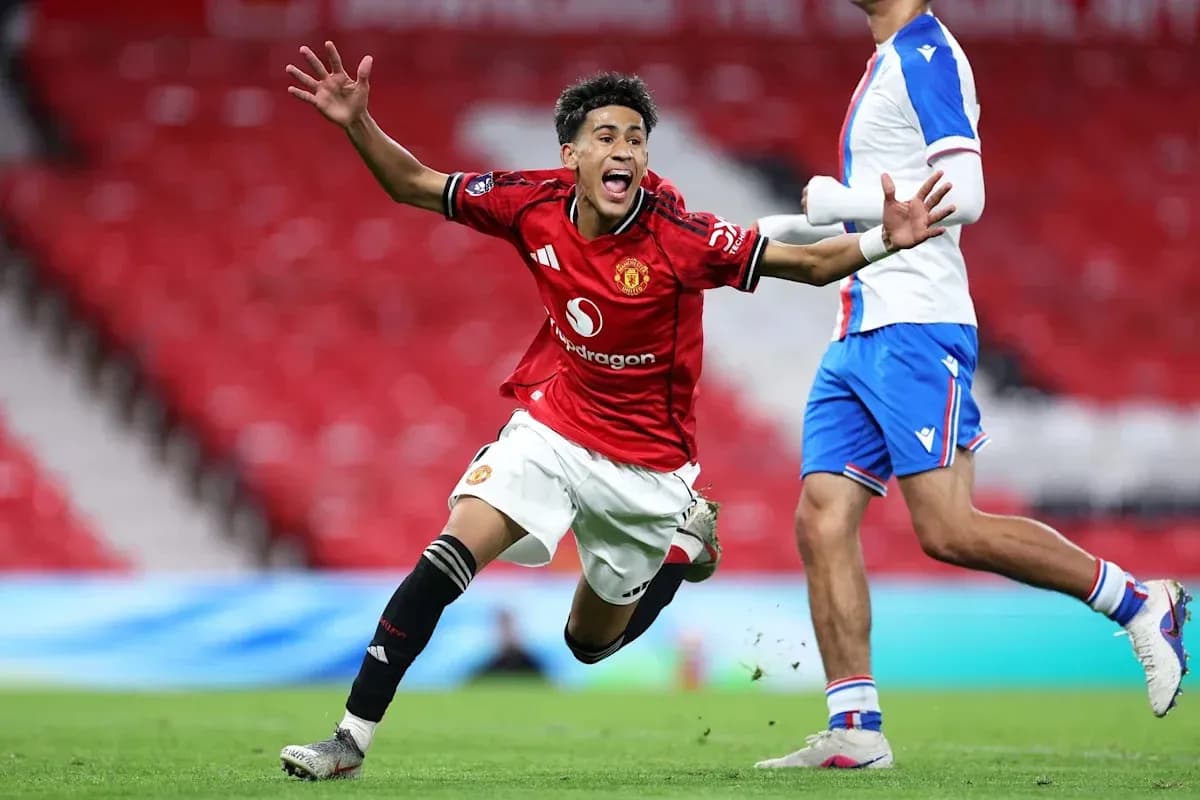
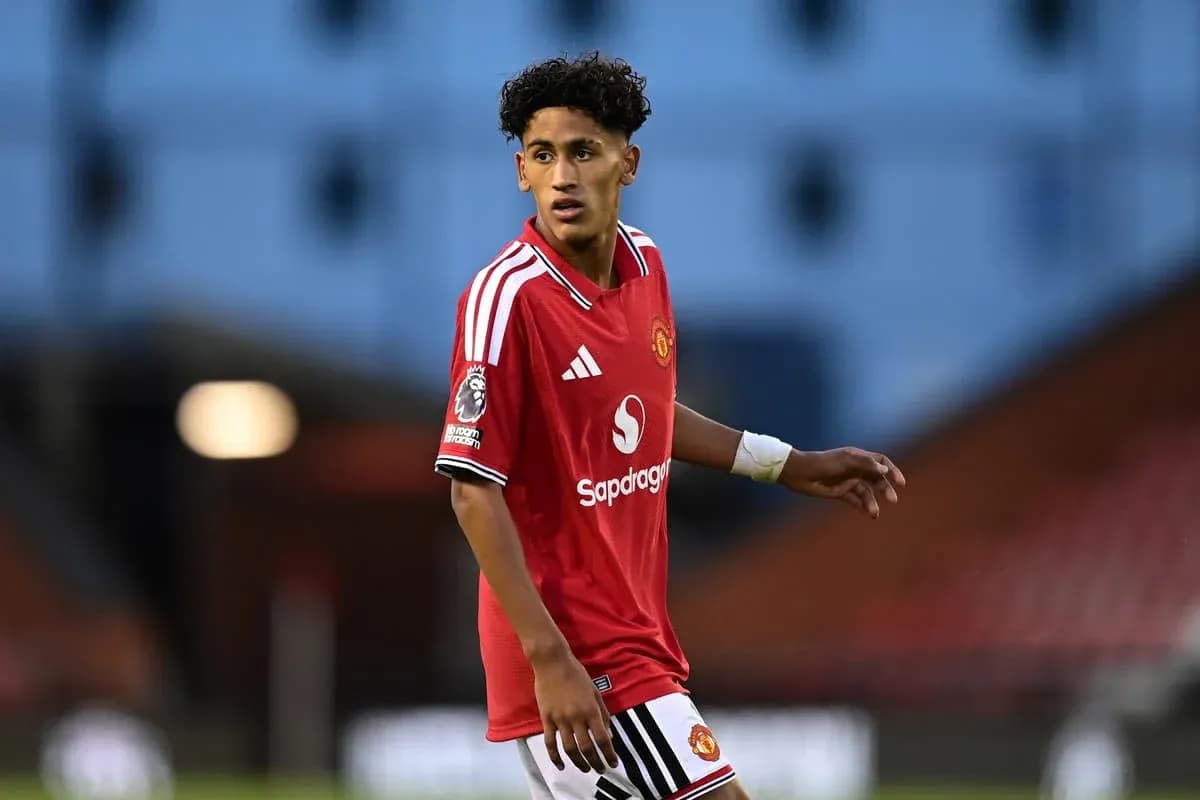
JJ Gabriel, 15 years old and already a viral phenomenon, has told Manchester United he wants out – and he wants out now. The winger, dubbed ‘Kid Messi’ for the way he glides past defenders, has asked for his registration to be cancelled with immediate effect, a bombshell that has stunned a club which expected to be ushering him towards a senior debut, not the exit door.
United had been preparing to include him in the squad for Wednesday night’s Carabao Cup tie against Brighton. At 15, he was on the verge of becoming the latest prodigy fast‑tracked into the spotlight. Instead, attention has swung to an entirely different question: where does he go next?
Right now, the answer is simple. Everywhere wants him.
Gabriel has not committed to any destination, and sources indicate he has no preferred club lined up. That has not stopped Europe’s elite from circling. When a player widely regarded as perhaps the best 15‑year‑old in Europe rattles the cage like this, the scramble begins immediately.
Arsenal smell opportunity
Arsenal know this story well. They tried to write an earlier chapter.
The north London club were among those pushing to sign Gabriel last year before he chose to remain at United. If he genuinely becomes available this time, Arsenal will not stand back and watch. They have a pitch ready‑made for a family weighing risk against reward.
At Hale End, the pathway is not theory, it is evidence. Bukayo Saka went from academy hopeful to club talisman. Myles Lewis‑Skelly has already stepped through the door. Max Dowman, still only 15, has tasted the Champions League and already owns six Premier League appearances. Age, at Arsenal, is a detail, not a barrier.
For Gabriel, a left‑sided attacker, the fit almost sells itself. Arsenal have been open about their desire to strengthen on the left wing. A teenager with his profile can look at that squad and see a lane, if not now then in the seasons to come, into Mikel Arteta’s plans. The message from north London would be blunt: come here, and there is a proven route from academy pitch to Emirates Stadium under the floodlights.
Chelsea’s ban, Chelsea’s temptation
Across the capital, Chelsea’s stance on youth has shifted, but some temptations are too strong to ignore.
The club that once hoarded prospects from across the globe has reined in its youth‑heavy recruitment this summer. Yet Gabriel is not just another name on a spreadsheet. Internally, he is viewed as a generational type of talent, the sort of market chance that tends to override long‑term planning.
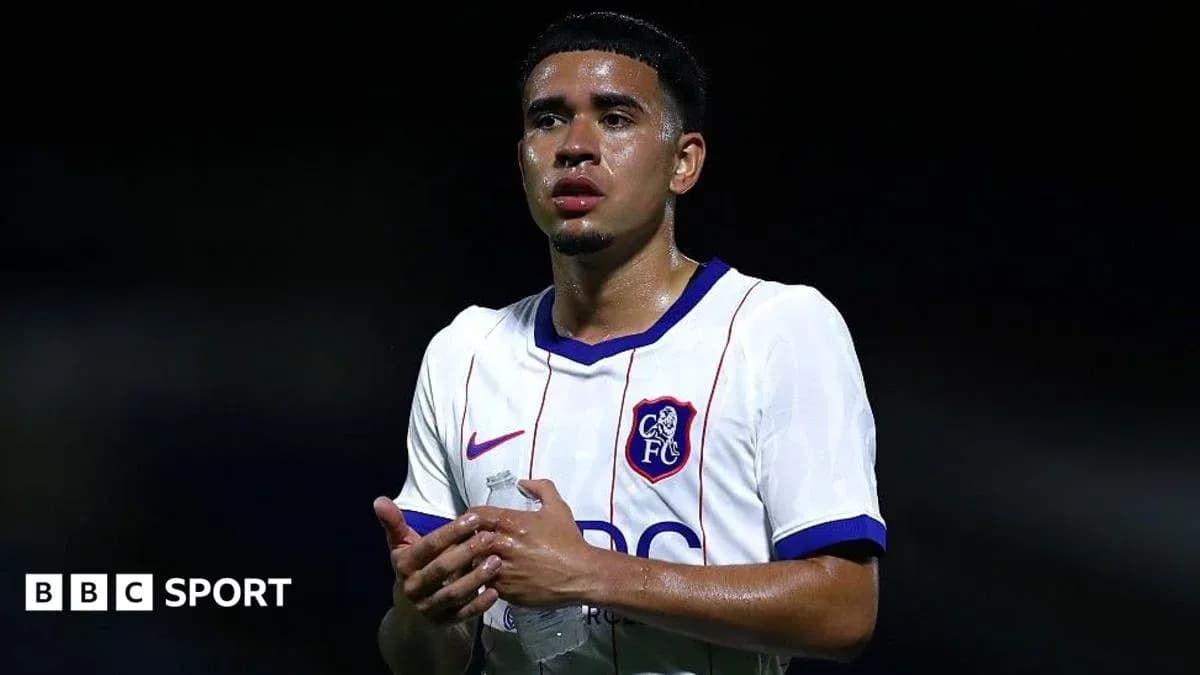
There is also history. Gabriel was born in London and spent time in Chelsea’s academy. The idea of bringing him back is already being weighed up at Stamford Bridge.
There is a catch. Chelsea are serving a nine‑month ban that stops them registering any academy players signed from Premier League or EFL clubs until December, a punishment tied to breaches of rules on financial reporting, third‑party investment and youth development. That complicates any move from United.
Even so, when a player like this shakes free, clubs usually find creative ways to wait. Chelsea cannot act quickly, but they will not walk away easily from a teenager they once had in their own system.
City ready to strike back
In Manchester, the other half of the city can smell a chance to turn the tables.
Manchester City, like Arsenal, attempted to sign Gabriel last year and would be ready to reignite that pursuit in an instant. Landing him now would carry more than just footballing value; it would be a symbolic win over rivals who have repeatedly dipped into City’s own youth ranks.
United have taken Darren Fletcher’s twin sons, Jack and Tyler, as well as David Eze and Karim Cassim in recent years. Harrison Parker has gone the other way, but the broader trend has been clear. City snapping up United’s most prized teenager would be a sharp reversal.
For City’s academy, already stacked with talent, adding a winger of Gabriel’s profile would be a statement that their pull remains as strong as ever, even in the face of United’s renewed push on youth.
Europe’s giants make their move
The story does not stop in England. It was never going to.
If Gabriel chooses to step outside the Premier League, the doors at the very top of Europe are already ajar. Real Madrid, Barcelona, Bayern Munich and Paris Saint‑Germain have all been linked, and not in vague, speculative terms.
Reports in Manchester suggest Barcelona have “pushed the boat out” to impress Gabriel and his family, a full‑court press befitting a club that has built eras around precocious attackers. Transfer specialist Fabrizio Romano has pointed to Madrid as a serious contender as well, while confirming that PSG and Bayern have already made calls.
Spain, in particular, looms large over this saga.
One key detail could tilt the balance: Gabriel reportedly holds, or is at least eligible for, an Irish passport through his father, Joe O'Cearuill, a former Republic of Ireland international once on Arsenal’s books. That status could open up a route out of England earlier than usual and may limit the compensation United receive, exploiting a potential loophole in the system.
For clubs like Madrid and Barcelona, used to navigating complex cross‑border deals for teenagers, that is an invitation, not an obstacle.
Gabriel has already offered a glimpse of why they care. He hit a hat‑trick on his debut in the UEFA Youth League, a performance that only amplified the sense that this is not just hype but substance. For scouts and sporting directors, those 90 minutes will have been replayed over and over.
Can United pull him back?
Amid the frenzy, one possibility still hangs in the air: that Manchester United find a way to keep him.
Inside the club, the reaction to his exit demand has been one of shock and confusion. United are understood to believe the situation can be repaired. With time left on his contract, there is a feeling that this is not yet a lost cause.
There are also hard rules on their side. Gabriel cannot be de‑registered in the way he is pushing for, and he is expected to remain on United’s books at least until the end of the season. He cannot sign a professional contract anywhere until he turns 17 in October 2027 and will only be eligible for scholarship terms when he turns 16 next month.
United had intended to use the Brighton tie as a landmark in his development, a public signal of their faith in him. Now, the challenge is different: convince a player many inside Carrington regard as potentially the standout 15‑year‑old in Europe that his future still lies in red.
The battle lines are clear. Arsenal, Chelsea, City and Europe’s superclubs are positioning themselves, each convinced they can offer the right project, the clearest path, the brightest stage.
United, meanwhile, are fighting something more fundamental: the fear that, in the age of teenage superstars and restless entourages, even the biggest clubs can no longer assume that the next great thing will grow up where he first made his name.
For JJ Gabriel, the choice that follows will shape far more than one career. It will tell every academy in Europe just how much power a 15‑year‑old really holds.