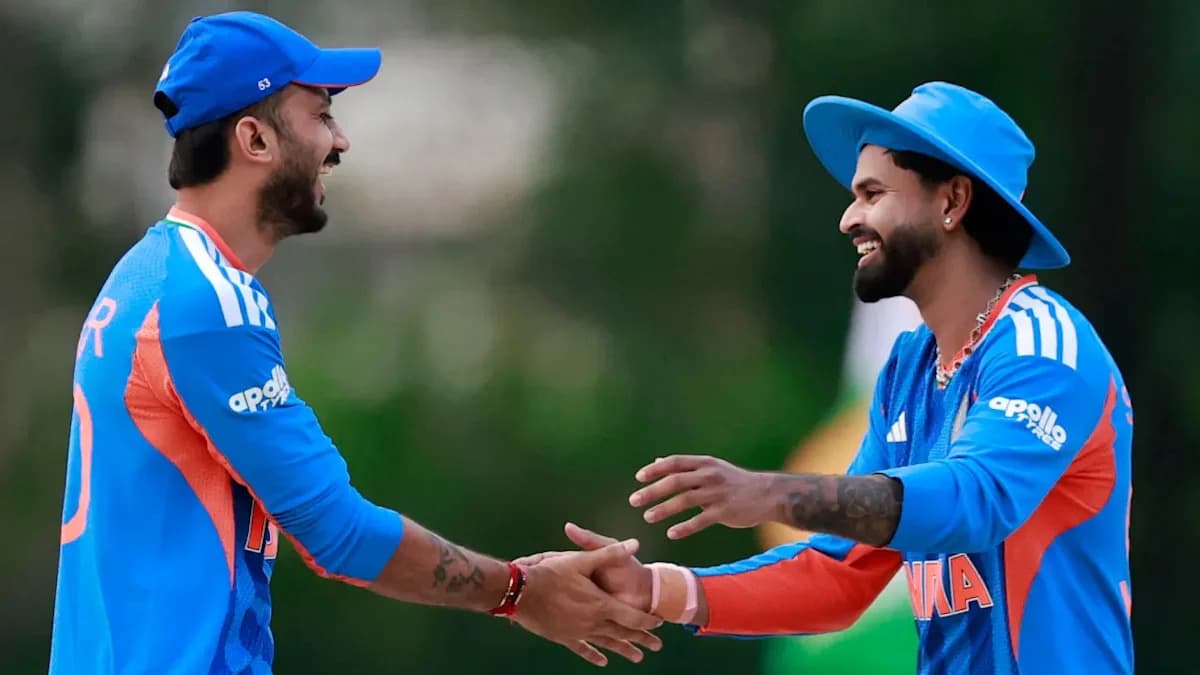
Japan vs India: A Historic Cricket Match in Tokyo
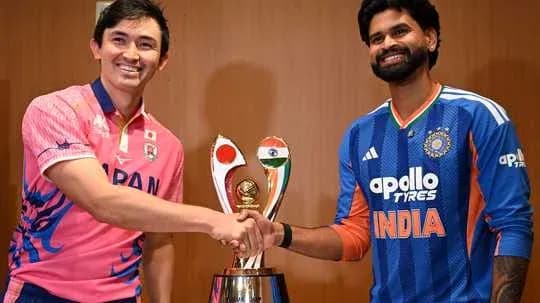
For years, when Naoki Alex Miyaji spoke about bringing India to Japan, it sounded like fantasy. The CEO of the Japan Cricket Association kept the idea alive anyway: the world champions, flying across continents to face the 41st‑ranked Associate, at home, in front of Japanese fans.
Now it’s on the schedule.
On Tuesday, at Sano International Stadium, Japan, captained by Kendel Kadowaki Fleming, will walk out against India in an Asian Games fixture that once lived only in boardroom conversations and late‑night wish lists.
“The CEO has had this dream for a long time,” Kendel told Cricbuzz. The moment the Asian Games were confirmed for Japan, Miyaji began pushing the concept in earnest: India, here, for a game that could change the sport’s footprint in the country. “So, for it to turn into reality is extremely special for a lot of people involved, and as a men's team, we can't wait.”
This is not a fixture that fell from the sky. It has been engineered, pushed, negotiated into existence.
Kendel knows exactly how much it has taken. “It's taken a massive effort from a lot of people involved to make it happen,” he says, quick to spread the credit. The Japan Cricket Association’s leadership, and Miyaji in particular, drove the bid. On the other side, the Board of Control for Cricket in India had to say yes. Japan made the proposal; BCCI accepted. Without that decision, this remains a dream.
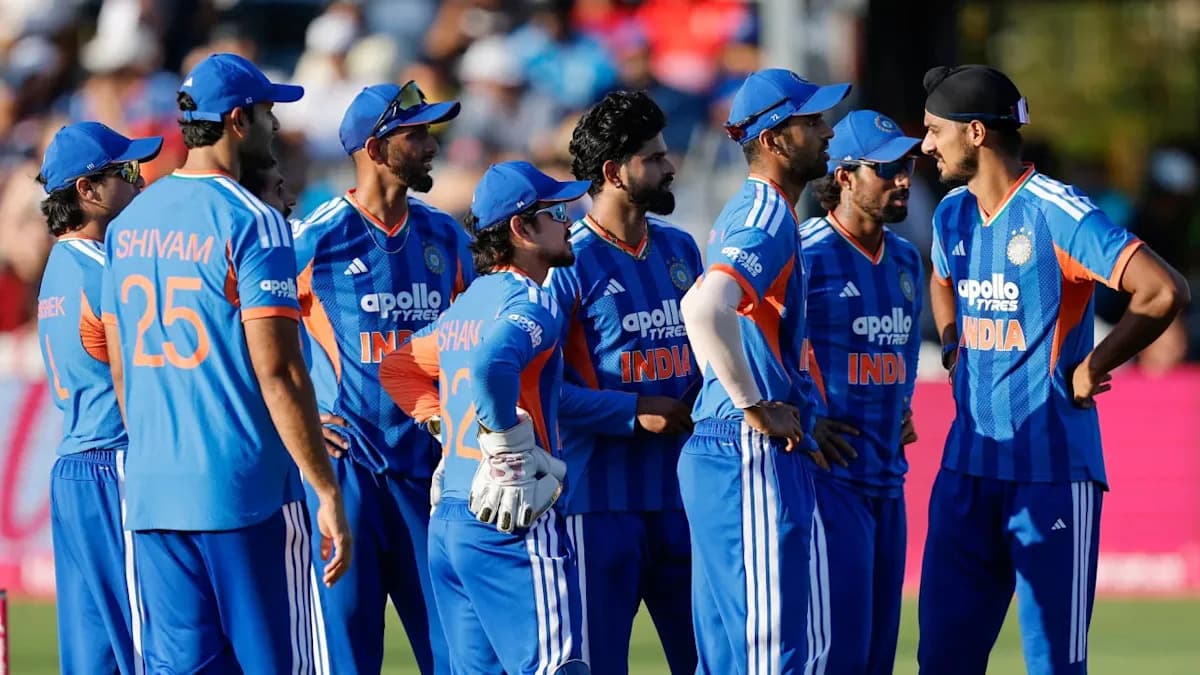
For India, it is a rare step into new territory. The world champions have not played a bilateral series or even a one‑off match against an Associate nation before. For Japan, that context makes this more than a glamour tie. It is a once‑in‑a‑generation opportunity.
The stakes go far beyond the scoreboard.
“It's got the potential to accelerate the growth of cricket across the country,” Kendel says. He is not exaggerating. Sano is expected to see more people than ever before for a cricket match in Japan. They will watch not just any touring side, but a squad stacked with elite talent — the best players ever to set foot on a Japanese ground.
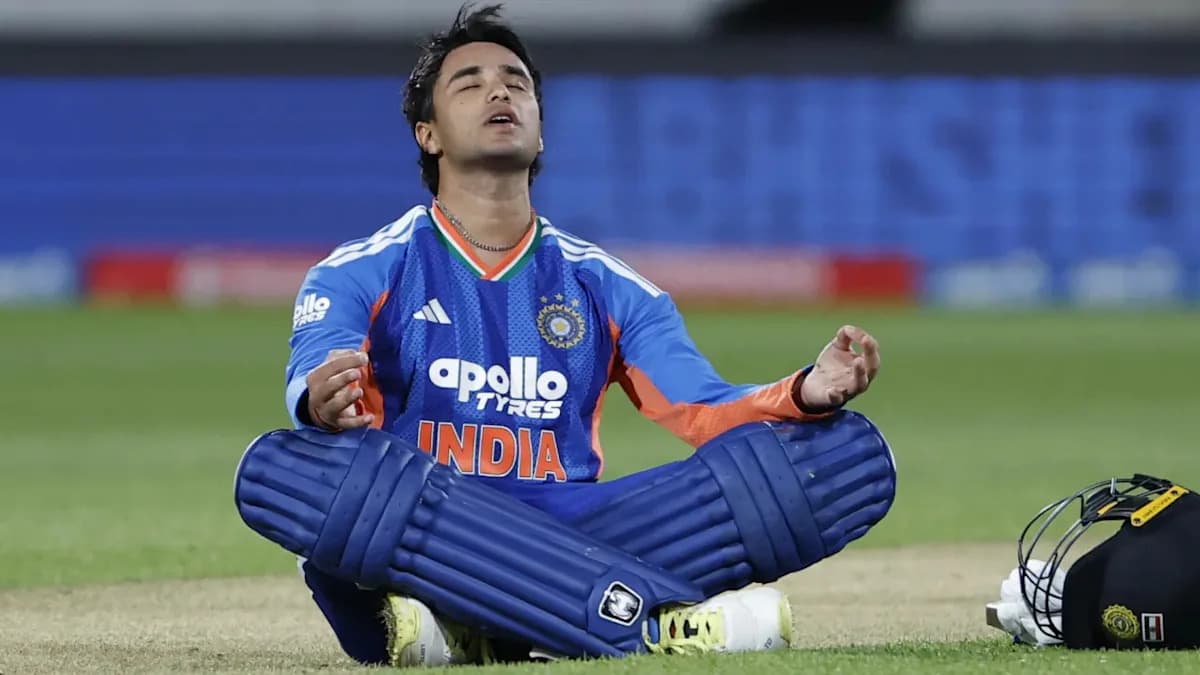
Jasprit Bumrah, Abhishek Sharma, Shreyas Iyer. Names that echo through packed Indian stadiums will now be called out in Tokyo and Sano. “It still does sound quite surreal to be hearing about them playing here in Japan,” Kendel admits.
Surreal, yes. Intimidating, no.
Japan know where they sit in the global pecking order, but they are not turning up for selfies and souvenirs. “I can't guarantee any outcome,” their captain says, “but what I can guarantee is that we will try our best. We'll compete and hopefully we'll give it our best shot.”
That is the heartbeat of this team: respectful of the gulf in experience, stubborn about the contest.
Kendel himself, 30, offers balance as a left‑handed batter and right‑arm off‑spinner. Around him, Japan have stitched together a squad that blends hardened campaigners with fresh talent. The pathway system is starting to produce players with proper upside, including 17‑year‑old all‑rounder Charlie Hara‑Hinze, a left‑arm spinner tipped as one to watch.
Spin has long been Japan’s calling card. Not by design alone, but by necessity. The conditions they encounter — at home and on frequent trips to places like PNG, Thailand and Oman — reward slow bowling. So they have leaned into it, building spin‑heavy attacks that nag, probe and drag opponents into mistakes.
They are not just making up the numbers anymore. At the ICC Men’s T20 World Cup Qualifier 2026, Japan delivered a statement win over Kuwait, chasing down their target with five wickets in hand. It was a landmark result, proof that the gap to higher‑ranked sides is not unbridgeable.
That is exactly the kind of evidence the International Cricket Council wanted to see before pushing for fixtures like this. The September 22 clash has the ICC buzzing.
“It's enormous, one of our aspirations as an international federation,” says William Glenwright, the ICC’s Head of Global Development. On paper, it is one among more than 1,000 bilateral games played last year and over 860 already this year. In reality, it sits apart.
“Having a full member and the world champions playing any associate member is hugely important to us from a cricket perspective,” Glenwright explains. Then he widens the lens. What does it mean for Japan as a sporting nation? For cricket’s place in that crowded landscape? The ICC sees a “ripple effect” from a fixture like this — a signal that full members trust Associates not just to compete, but to host major international cricket with credibility.
It is, in Glenwright’s words, a reflection of “a growing confidence in the game and in the full members' belief in the abilities of our associate members to host full members in major international cricket.”
For Kendel and his teammates, that bigger picture is never far away. They live in a country where cricketers are not icons, not yet. In Japan, the sporting pantheon is dominated by one man: Shohei Ohtani.
“He’s the Virat Kohli of baseball,” Kendel says, drawing the most obvious cross‑code comparison. Baseball, he notes, is “definitely a sport that many of the supporters get behind in Japan.” Stadiums are full, the stars are household names, the sport is woven into the culture.
Cricket, by contrast, is still learning the language of the place it wants to call home.
Kendel is under no illusion about the size of the climb. But he is not shy about the ambition either. “There's no reason why we can't aspire to become like that in cricket someday,” he says. The road, he concedes, is long. Matching the structures, depth and polish of full‑member nations will take years of investment and patience.
Yet on Tuesday in Sano, for a few hours, Japan will share a field with the world champions, under the gaze of a country that is only just beginning to look their way.
If they compete as fiercely as their captain promises, how far could that ripple really travel?