.svg&w=384&q=75 "logo")
IPL Media Rights Auction: BCCI's Next Move Is Crucial
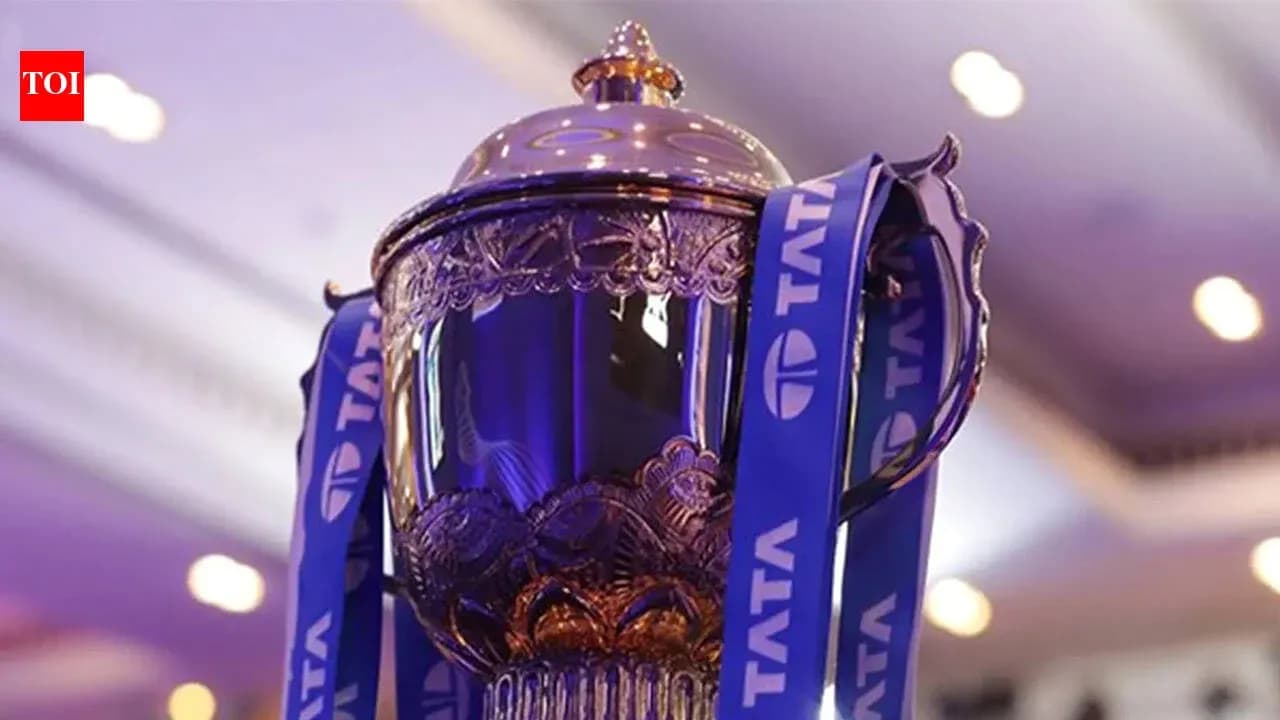
The next great auction in world cricket is on hold, and the sport’s global body can’t do much but wait.
Last week, the ICC fired the first shot by naming a five-member working group to prepare its media-rights strategy for the 2028-31 cycle. The mandate is blunt: protect the current valuation, or push it higher, by squeezing every last drop out of modern price-discovery models.
Yet the ICC’s own tender can’t move until one thing happens.
The BCCI has to blink first.
ICC plans, BCCI silence
By convention and by market logic, the IPL goes to market before anything else in cricket. Once the IPL media-rights tender is out, every other property — including ICC events — falls in line. The world’s broadcasters and tech giants set their budgets around what they spend on India’s summer behemoth.
Right now, that starting gun hasn’t gone off.
The BCCI has not yet begun the formal process of drafting and releasing the new IPL media-rights tender. Nor has it decided whether to bring in an external financial advisory firm to shape the auction and design the rights packages, as it did so successfully in the last cycle.
That silence is being watched closely in Dubai and beyond. It is also laced with irony.
BCCI secretary Devajit Saikia sits on the ICC’s newly formed media-rights working group, chaired by ECB chief Richard Thompson and including ICC chairman Jay Shah. The same administration that must first unlock the IPL tender is helping shape the global roadmap that depends on it.
The KPMG blueprint and the digital shock
The last IPL cycle changed the economics of cricket broadcasting.
In 2022, the BCCI engaged KPMG to help draft the tender document. The standout innovation was a non-exclusive digital package in the Indian subcontinent: a curated ‘bouquet’ of high-value matches, carved out from the main digital rights.
Eighteen matches per season in a 74-game structure. Just 18.
That small slice exploded to Rs 3,273 crore, at roughly Rs 33.24 crore per game. For the first time in history, internet rights in the Indian subcontinent generated more money for the BCCI than traditional TV.
It was a line in the sand. And a warning.
“Given the way tech is changing how we consume sport, we thought the board would be keen to explore these changing revenue patterns and models for IPL,” said one industry executive, pointing to the YouTube sports-bundling model in the US and calling the NFL Sunday Ticket “a case study in itself.”
Executives across the sports business are convinced that if the BCCI leans deeper into this space, the upside could be enormous.
AGM in Mumbai, billion-dollar question on the table
BCCI members gather in Mumbai from Friday for the AGM. There will be routine agenda points, reports, and formalities.
But those tracking the game behind the game see one subject towering over the rest: the upcoming sale of IPL media rights.
“India has a strong cricket platform. The IPL is already a premium property on that platform,” the industry executive said. “All you need to build on it is effectively what can be done outside of the live match feed.”
That is where the next battle lies.
Archives. Highlights. Documentaries. Regional storytelling. Fan-engagement products. All the content that lives around, and not just inside, the live window.
On one side, you have one or two heavyweight broadcasters fighting over the live rights. On the other, a barely tapped universe: a separate, non-live consumer base that can be monetised selectively, match by match, story by story, region by region.
The current model, in comparison, feels blunt.
One basket, too many eggs
At present, the IPL’s distribution leans heavily on one giant: JioStar for live broadcasts. It delivers reach and consistency, but it also concentrates risk.
“Perhaps not a very healthy model either, considering all your eggs happen to be in one single basket,” an IPL franchise executive observed.
The alternative being floated in boardrooms and coffee shops is a modular rights structure. Instead of one all-encompassing deal, the BCCI could slice the property into smarter, more flexible pieces — live, non-live, language-specific, format-specific, even fan-specific.
That approach would mirror what some US leagues have done, spreading rights across multiple platforms and building layered revenue streams rather than one monolithic contract.
The missing giants: Netflix, Amazon, YouTube
There is another glaring subplot. Some of the world’s biggest streaming players have barely dipped a toe into live sport in India.
OTT giant Netflix has stayed away from putting live games behind its paywall. It has, however, invested in sports-adjacent content — documentaries and series that keep subscribers hooked and give sport a permanent presence on its platform.
Amazon and YouTube, too, loom in the background. Both have shown they can reshape sports consumption in other markets. Both have the scale and the data muscle to turn a league like the IPL into a year-round digital ecosystem.
So why aren’t they in the thick of the Indian rights battle yet?
“We keep wondering why an Amazon or a Netflix or a YouTube hasn’t looked at the India market,” the franchise executive said. “Well, the fact is, the onus lies on us to market our products to them and only then can we catch their attention. So, in the case of IPL rights, the onus certainly lies on the BCCI to go out and start talking to these platforms.”
That is the crux. The league no longer just sells matches; it must sell itself as a digital-era entertainment asset.
The ICC has already moved its pieces, setting up a group to protect and grow its own rights. Broadcasters are sharpening their pencils. Tech giants are watching, waiting.
The next step belongs to the BCCI. Will it simply repeat the last playbook, or redraw the map for how cricket is bought and sold in the streaming age?