.svg&w=384&q=75 "logo")
India's Women’s Asia Cup Triumph: A Statement in Dubai
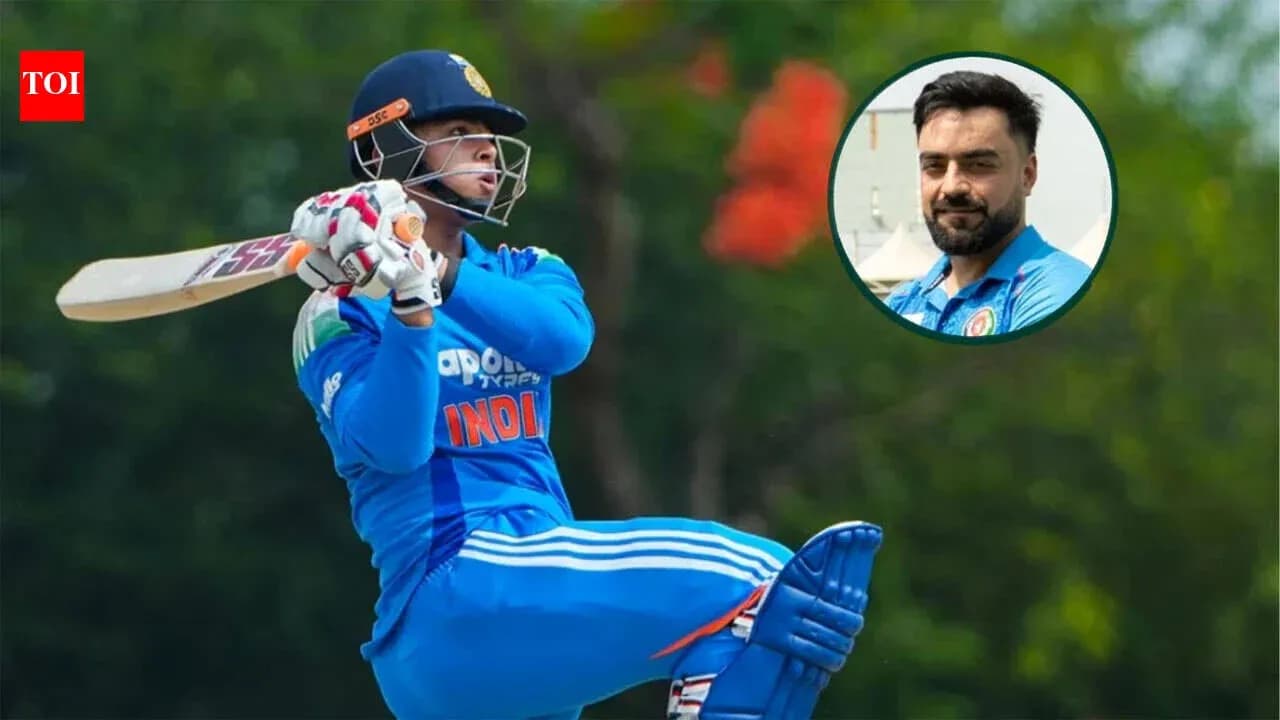
The Indian women’s team climbed to the top of Asia again on Sunday, but it wasn’t the usual glittering trophy lift that grabbed attention.
They crushed Sri Lanka by 72 runs in Dubai to seal a record eighth Women’s Asia Cup title, underlining their dominance in the region. Yet when the time came for the official presentation, the players stayed away from the podium where Asian Cricket Council chief Mohsin Naqvi waited with the trophy.
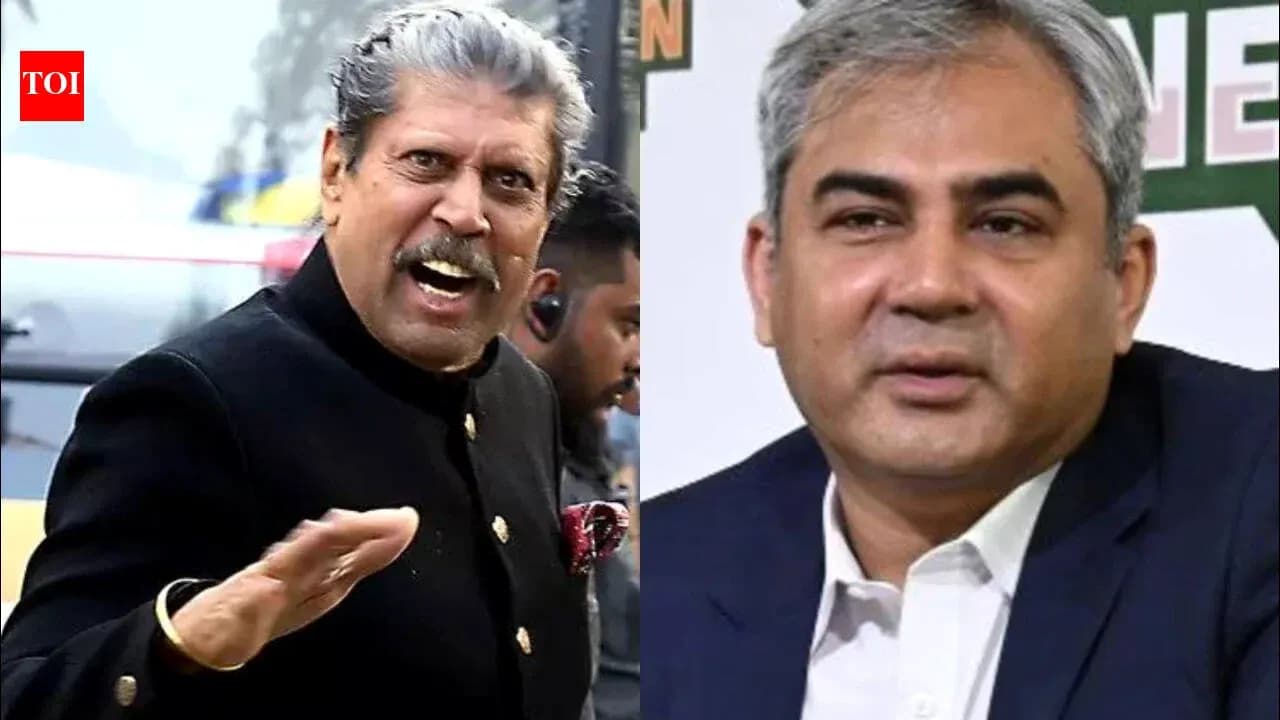
Naqvi is not just ACC president. He is also Pakistan’s interior minister and chairman of the Pakistan Cricket Board. That combination has now twice collided with Indian cricket.
A year earlier, at the 2025 Asia Cup, Suryakumar Yadav’s India had also refused to take the men’s trophy directly from Naqvi. The women’s team, on Sunday, echoed that stand.
Kapil Dev’s sharp one-liner
The decision inevitably sparked debate. When former India captain Kapil Dev was asked about the episode and the refusal to receive the trophy from the PCB chief, he chose not to launch into a lecture or a political sermon.
“Tell all of them to play golf,” he told news agency ANI.
Just eight words. A trademark Kapil mix of humour and sting, leaving everyone to read between the lines.
BCCI: ‘We had already made our stance clear’
If the scene in Dubai looked like a sudden protest, the Board of Control for Cricket in India insists it was anything but impulsive.
BCCI secretary Devajit Saikia revealed that the board had informed the organisers of its position well before the ceremony.
“Winning the trophy is one thing, but winning the tournament is what truly matters,” Saikia told ANI, making it clear the silverware was secondary to principle. According to him, the controversy “did not stem from our side,” and the board had “already clarified our stance,” citing the precedent of the Asian Games issue that, as he put it, “was known to the entire nation.”
The message to the organisers, Saikia said, was blunt: if the prize distribution went ahead in the planned format, India would not be part of it.
“We had stated beforehand that we did not approve the manner in which they had planned the prize distribution ceremony. We informed their chairman that if they proceeded with that specific system, we would not participate. Since they did not agree, we chose not to accept the trophy in that manner; we will collect it later,” he explained.
No rift, no rogue call
With images of the absent champions circulating, speculation quickly turned to whether the players had acted on their own.
Saikia pushed back hard on that idea. This, he stressed, was not a dressing-room rebellion or a last-minute stand taken by senior players.
“This was entirely the BCCI’s decision. We had discussed everything internally, and the BCCI’s stance remains consistent with what it was previously,” he said. “Whether it concerns the players, the team, or the BCCI officials, we are all united; there is no divergence between the players’ decisions and the BCCI’s decisions. We act as one.”
The board’s line is clear: policy first, optics later. The team, by staying away from the Naqvi-led presentation, simply followed that script.
An eighth title, and a statement
On the field, India were ruthless. A 72-run win in a continental final is a statement by itself. Off the field, the post-match scenes made another one.
An eighth Asia Cup goes into the record books. The trophy, as Saikia underlined, will be collected on India’s terms.
The larger question now lingers over the ACC and future multi-nation events: when politics, protocol and cricket collide this directly, who adjusts, and how long can the game keep pretending it’s just about the runs and wickets?