.svg&w=384&q=75 "logo")
India Eyes Tilak Varma as Middle-Order Backup for ODI World Cup
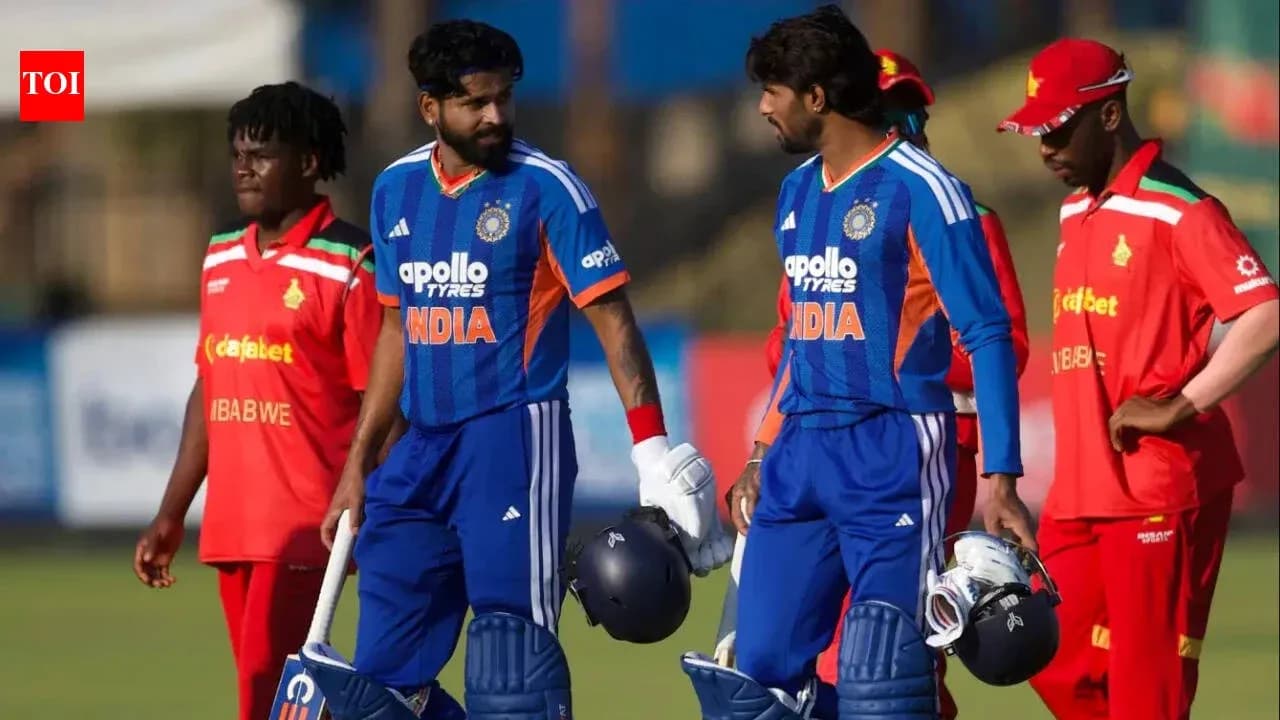
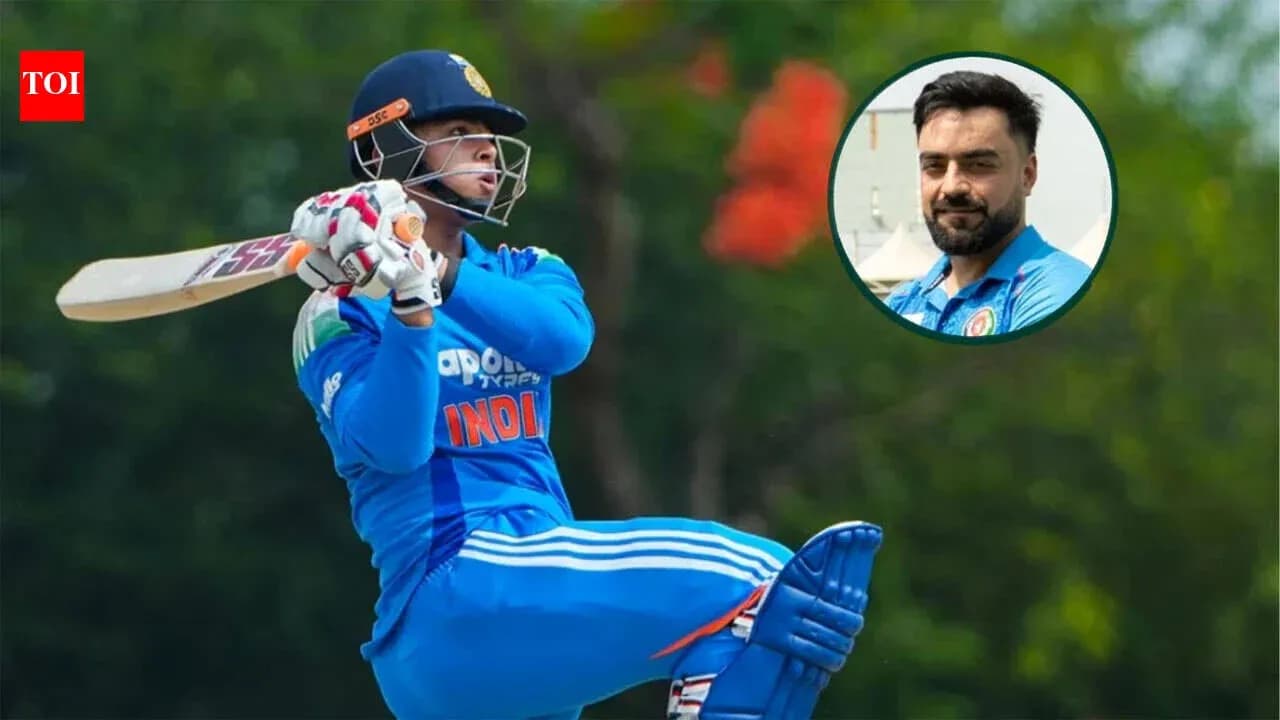
New Delhi: India’s white-ball think-tank has started to quietly redraw its middle-order blueprint for next year’s ODI World Cup – and a new name has moved closer to the centre of the page.
Tilak Varma, the left-hander long viewed as a T20 prospect, has emerged as a serious backup option for Shreyas Iyer in the top six, with team management and selectors aligned on the need for both youth and flexibility in a creaking batting core.
Tilak’s left-handed edge – and a bowling nudge
The attraction is clear. India’s top order is stacked with right-handers. Tilak offers a different angle, a different visual for bowlers, and the possibility of breaking that sameness through the middle overs.
He has also been given a clear directive: sharpen the off-spin. The management believes his part-time off-breaks can grow into a genuine ODI option. With that, Tilak doesn’t just compete as a batter; he potentially answers a structural problem that has been bothering the dressing room for a while.
The top order has been light on bowling options. That has pushed the lower order and frontline bowlers into a heavier workload than the staff is comfortable with. The message from the dressing room is blunt – the side needs at least one top-order batter who can reliably roll through four overs in an ODI.
“Head coach Gautam Gambhir and captain Shubman Gill feel there isn’t any backup ready for the middle order. With Hardik Pandya and Nitish Kumar Reddy being prone to injuries, they want someone in the top order who can at least chip in with four overs in an ODI,” a BCCI source said.
World Cup planning on hold – for now
Despite the urgency in conversations, formal World Cup planning won’t fully kick off until October, when India tour New Zealand. Most first-choice players will skip the home ODI series against West Indies starting September 27, with a full-strength T20 squad simultaneously bound for Japan for the Asian Games.
That split schedule turns the West Indies ODIs into something of an outlier. Shreyas Iyer, Tilak Varma, Ishan Kishan and Axar Patel are all set to miss that series, forcing selectors to treat it as a one-off rather than a key step in World Cup preparation. Their immediate priority there will simply be to identify another wicketkeeper.
The real World Cup build-up, the one that will shape India’s core, begins in New Zealand. And it will do so with South African conditions firmly in mind.
Ageing core, rising concern
The concerns go beyond just one backup for Iyer. The brain trust is staring at a middle order and senior core that could be walking into the World Cup with heavy mileage.
Shreyas Iyer, injured in Australia, has not had his game against high pace and steep bounce tested recently. The World Cup is in South Africa. That gap in recent evidence bothers people.
Then there is the age profile. Rohit Sharma and Virat Kohli are already deep into their thirties and managing niggles. KL Rahul will also be past 35 by the time the tournament begins. Ravindra Jadeja, once an automatic pick, is no longer viewed as a guaranteed starter.
The impact has shown up most clearly in the field. India’s athleticism has dipped, and the staff is acutely aware that fitness issues have dragged down the overall fielding standard.
“The team already has two ageing players in Rohit Sharma and Virat Kohli. They are having niggles as well. KL Rahul too will be over 35 by the time the World Cup comes around. Ravindra Jadeja isn’t a certainty either. The fielding of the team has suffered due to fitness issues. The team management feels that they need younger backups ready,” the source said.
That is where players like Tilak come in – not just as reserve names on a squad list, but as younger, more dynamic options who can be trusted if the veterans break down or need managing through the tournament.
Selectors resist shuffling specialists
One thing is clear: the selectors do not want to repeat recent experiments that saw batters shunted out of their natural roles.
Last year in Raipur, Ruturaj Gaikwad was pushed into the No. 4 slot against South Africa and responded with a hundred. It did not translate into a long ODI run. He has not been picked in the format since.
“Gaikwad was picked as backup opener since Gill was injured. The team management feels Tilak could have been tried in that place. That’s why they don’t want to rush Devdutt Padikkal in the ODI setup because he found his calling in white-ball cricket while opening the batting,” the source said.
That logic cuts to the heart of the current debate. Gaikwad and Devdutt Padikkal are seen as top-order specialists, players whose games are built around opening. The management would rather groom a natural middle-order option like Tilak for the No. 4–6 band than drag openers into unfamiliar roles again.
Short-term anomaly, long-term jigsaw
The upcoming West Indies ODIs will look nothing like the side India expect to field in South Africa. With key names missing, the XI will be a patchwork – a necessary one, but still a deviation from the long-term plan.
Behind that temporary chaos, the larger jigsaw continues: how to blend an ageing but elite core with younger legs, how to add overs from the top six without compromising batting depth, how to avoid being exposed on fast, bouncy pitches if injuries strike at the wrong time.
Tilak Varma, for now, sits at the intersection of several of those questions.
Afghanistan T20Is: Asian Games template to stay
Before the ODI roadmap hardens, India’s T20 plans get their own checkpoint. The selection committee is expected to meet by September 3 to pick the squad for the three-match T20I series against Afghanistan in Delhi from September 13.
The indication from inside the room is continuity. Selectors are likely to retain the core chosen for the subsequent Asian Games, waiting on official fitness updates for Hardik Pandya, Nitish Kumar Reddy and Jasprit Bumrah before locking in the group.
There is one quiet positive: Varun Chakravarthy has, it is learnt, regained full fitness and returns to the conversation as a mystery-spin option.
So the picture is slowly forming. An ageing spine, a World Cup in South Africa, and a management group demanding younger, multi-skilled cricketers.
If Tilak Varma can turn promise into performance – with bat in hand and ball in the other – how long before he is no longer just a “backup” in that middle order?