.svg&w=384&q=75 "logo")
Heat-Damaged Pitches Threaten Grassroots Football
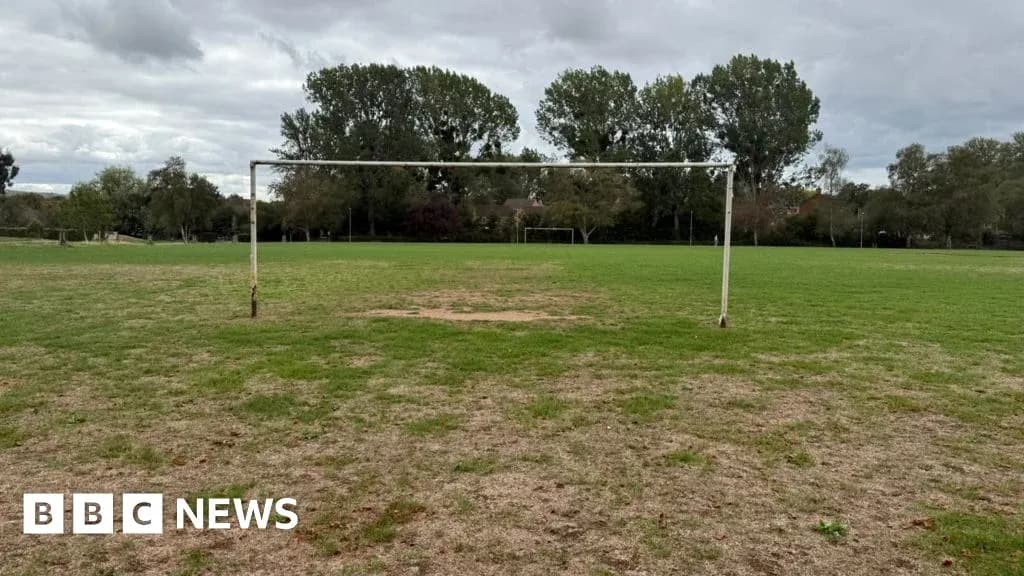
The crisis in English football is not just in boardrooms or broadcast deals. It’s underfoot.
After months of extreme heat and drought, Taunton Town Council has taken the drastic step of closing its sports pitches, warning that continued use could wreck them for the rest of the season and put players at risk.
The decision has ripped through the local game.
A council spokesperson said inspections showed the extended dry spell had “weakened the grass cover and hardened the playing surfaces”. In plain terms: the grass is thin, the ground is like concrete, and every tackle carries a risk.
“Our inspections have indicated that continued use at this stage could cause significant damage to the pitches and affect their condition for the remainder of the season,” the spokesperson said. The surfaces, they added, are “showing signs of recovery” but “remain under considerable stress and require additional time to recover fully before regular play resumes.”
For those who live their weekends on touchlines and in muddy goalmouths, that time is a luxury they don’t have.
Too Many Teams, Not Enough Grass
Paul Coltman, a football consultant working with the affected clubs, did not sugar-coat the situation.
“We’re already close to breaking point with more teams than we have pitches,” he said. With several surfaces now ruled out, the squeeze tightens. “Those pitches that are still usable will now have more games on them which means the knock-on effect is huge.”
League fixtures, training nights, kids’ sessions, casual kickabouts – all now fighting for dwindling space. What starts as a grounds issue quickly becomes a community one.
“This is a huge impact on local football and a massive drain on an already shrinking volunteer base,” Coltman said. The people who mark the lines, open the changing rooms, and drag the goals out of storage are being asked to do even more, with even less.
Years in the Making
The heatwave might be the trigger, but Coltman is clear: this didn’t happen overnight.
Coltman said the pitches were already in decline before the hot weather scorched them further. “This is a result of years of neglect and poor maintenance,” he said.
The drought simply exposed what had been building beneath the surface – tired grass, compacted soil, stretched budgets, and a reliance on volunteers to paper over structural cracks.
Now, those cracks are impossible to ignore.
“Those clubs are now going to need to work together to find alternative venues,” Coltman said. Training sessions will be shifted. Fixtures will be moved. Some might not be played at all.
“This isn’t going to go away quickly by the sound of things.”
Week by Week, Season on the Line
The council insists this is not a set-and-forget closure. “The pitches are being inspected regularly and the situation is reviewed on a week-by-week basis,” the spokesperson said.
That weekly verdict will decide more than just where cones and corner flags are placed. It will shape seasons, strain volunteers, and test how much pressure grassroots football can absorb before something gives.