.svg&w=384&q=75 "logo")
European Football's Evolution: From Maradona to the Champions League
On 16 September 1987, Diego Maradona took Napoli into the lion’s den. La Quinta del Buitre’s Real Madrid, European royalty in full pomp, waited at the Bernabéu for a first-round, first-leg tie in the European Cup. It felt like a heavyweight clash staged far too early, a meeting that belonged in May, not September.
Madrid did what Madrid do. They won 2-0 in Spain, then went to the San Paolo and emerged with a 1-1 draw. Napoli were out almost before they had arrived, Maradona’s tilt at Europe cut off at the first bend.
Somewhere else in Italy, a powerful man was seething.
Silvio Berlusconi, owner of AC Milan, did not like what he saw. One of the competition’s glamour acts, dumped at the first hurdle. One bad draw, one bad week, and the story was over. That was bad for business, bad for television, bad for the grand project he envisaged for his own club.
So he pushed an idea that would echo for decades: a European super league. A closed shop of giants, or something close to it, where the continent’s wealthiest clubs would collide repeatedly without the risk of vanishing after 180 careless minutes. The project itself never materialised, but the threat did its job. Uefa blinked.
Five years later, the Champions League was born.
It was supposed to be the compromise. A richer, sleeker version of the European Cup, with more big games and fewer early exits for the aristocracy. But it never stopped there, because it never does. First came extra places for the strongest leagues. Then more. Now, some countries can send up to five teams.
And now comes the Swiss model. A sprawling league-phase format that takes Berlusconi’s logic to its end point: pile the schedule high with lucrative meetings between the richest clubs, minimise the jeopardy, keep the stars on screen for as long as possible. The original spirit of continental competition – risk, romance, the genuine possibility of a giant being felled in the opening act – slips further into the background.
Gabriel Hanot, the French journalist who first imagined a European club tournament, would look at this and weep. He wanted champions crossing borders, testing themselves, discovering the unknown. Instead, we get the familiar, polished and packaged, again and again.
And yet.
Try telling anyone to switch off when the fixture list spits out Real Madrid v Internazionale. Football, in all its excess, remains a victim of its own brilliance. The product is too good, the talent too concentrated, the spectacle too seductive.
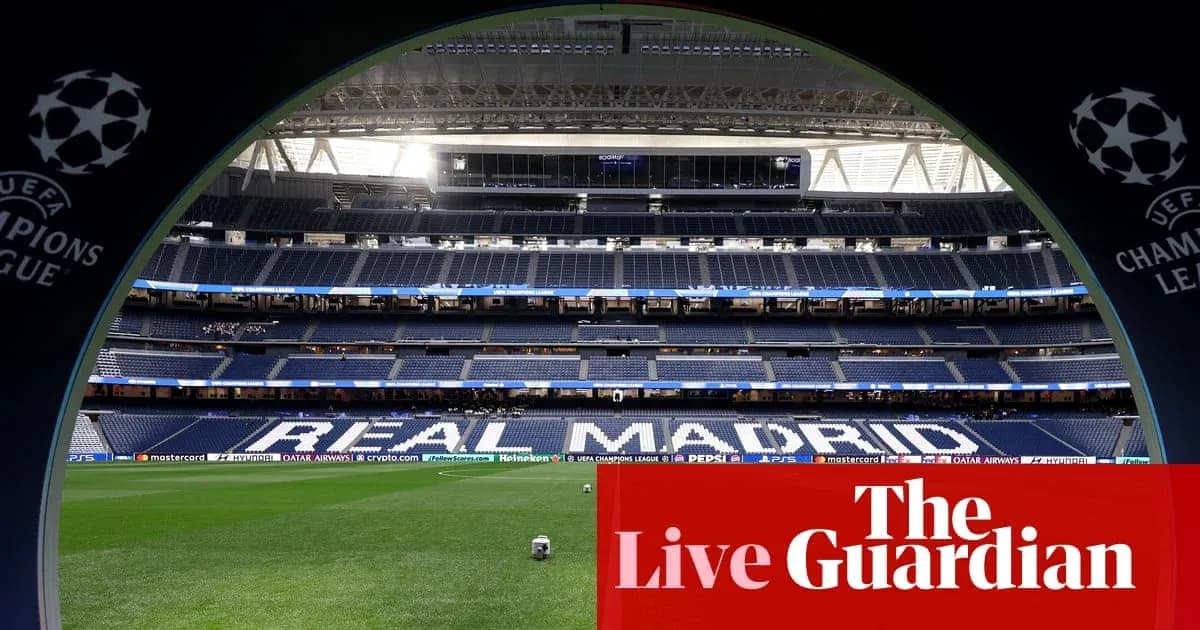
Tonight brings another chapter. Real Madrid, the competition’s serial winners, meet Inter with storylines layered all over the pitch. José Mourinho, handed what feels like his latest last chance at the elite level, returns to a stage he once owned. The question hangs over him: has he found a way back to the sharp, snarling, irresistible version of himself, or is this one comeback too many?
Across from him stands Cristian Chivu, no longer the defender who helped anchor Mourinho’s treble-winning Inter, but the coach now entrusted with reviving that same club. He steps into the arena where his old mentor produced some of his finest work, trying to write a different kind of Inter story, one that does not live entirely in the glow of 2010.
The intrigue does not end in Madrid. In Germany, Dortmund take the field with fresh electricity running through their midfield. All eyes drift toward Konstantinos Karetsas, the 18-year-old who has burst into life at the Westfalen. Youngsters emerge every season, but some grab a game by the collar from the start. Karetsas has played like he belongs, and Villarreal will test just how ready he is for this level.
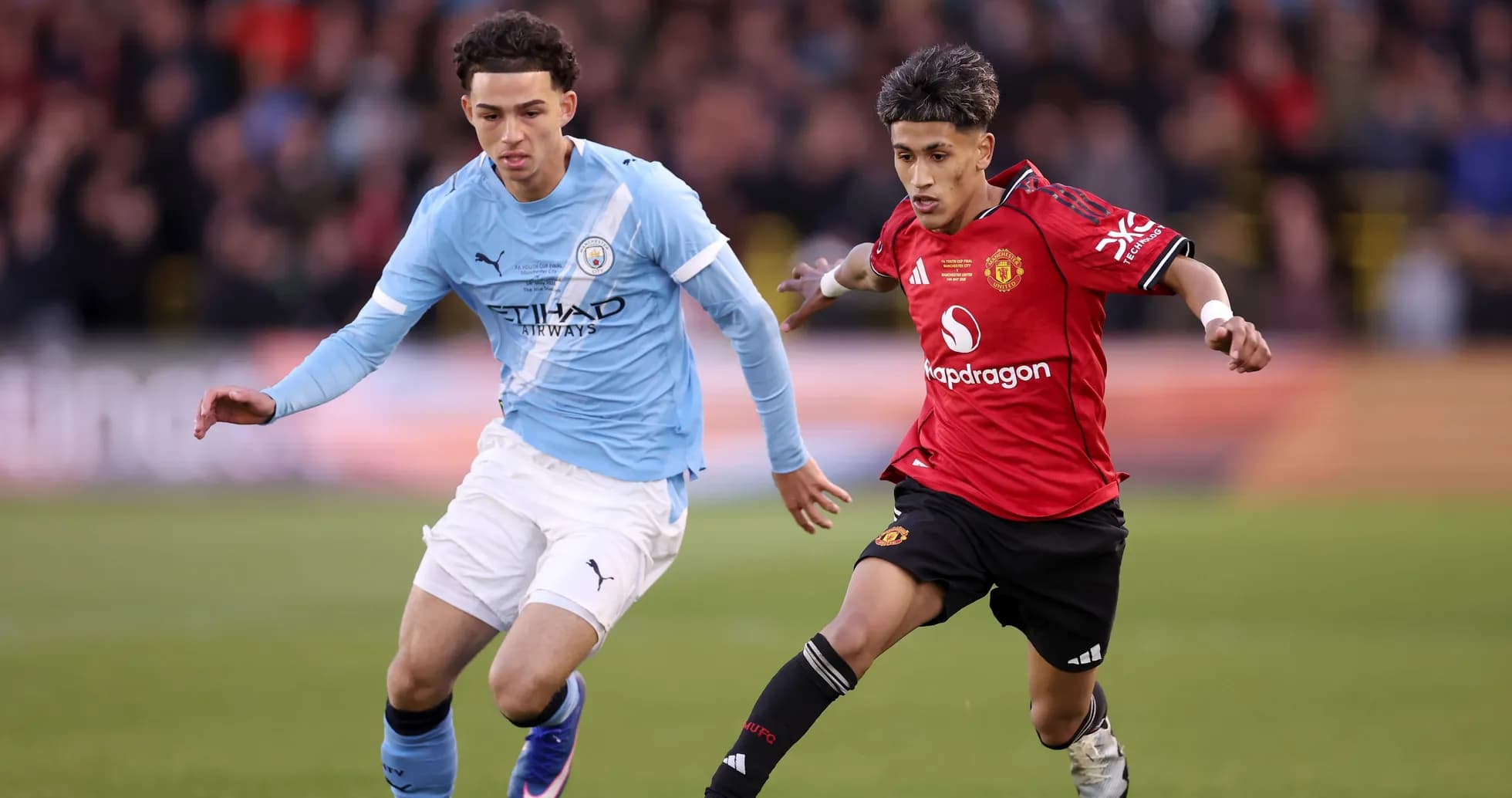
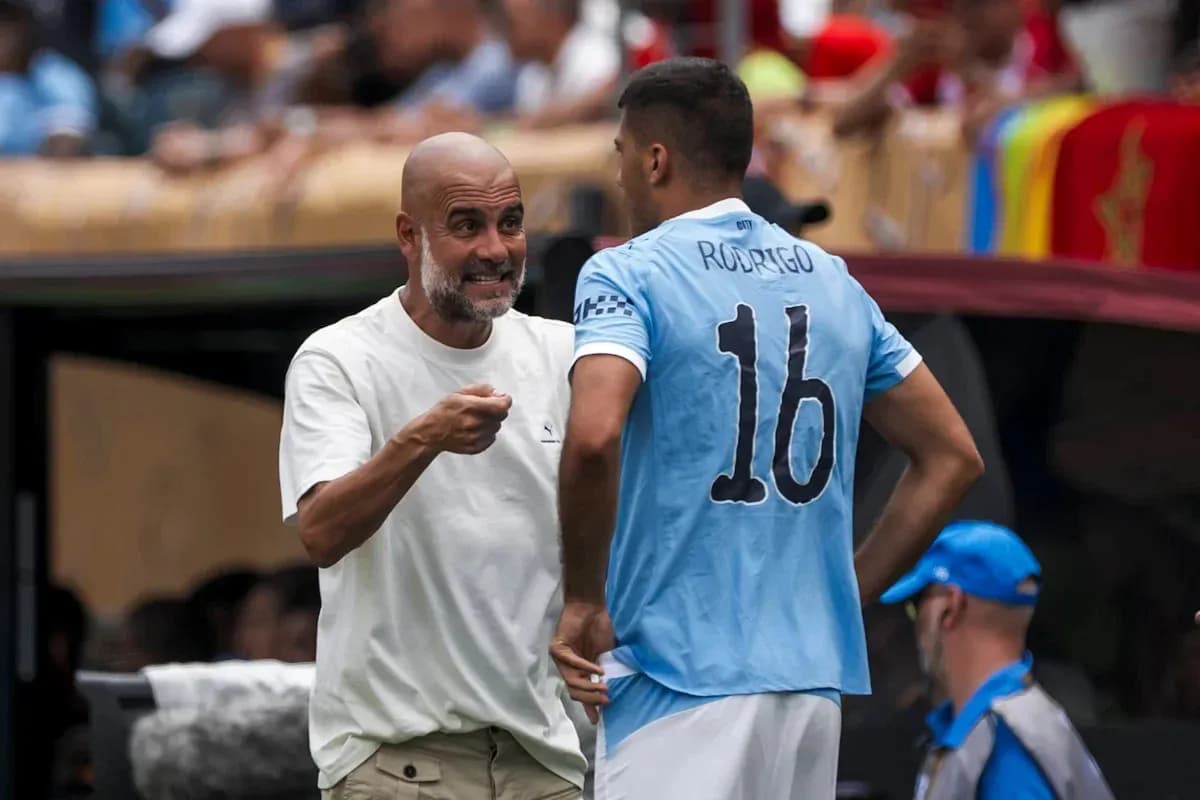
Elsewhere, the night stretches across the continent. Porto host Manchester City in a meeting that pits old European know-how against the current benchmark of the modern super-club. Lille face Real Betis in a tie that may not dominate the headlines but could quietly steal the evening with its tempo and tension.
What does any of it truly mean in the grand scheme of this new, swollen format? Hard to say. The table is broader, the pathways more tangled, the stakes blurred by the sheer volume of games. But meaning, in football, often arrives later. In the moment, what matters is the contest, the noise, the sense that something special might happen with the next pass, the next tackle, the next surge from deep.
And while Europe’s elite trade blows under the floodlights, the domestic calendar refuses to stand aside. The League Cup ticks into another round, a competition that has become a laboratory for managers, a stage for fringe players and teenagers to demand attention. The glamour sits with the Champions League, but the stories in the Cup can be just as sharp, just as decisive for careers.
So the night splinters into parallel dramas. Kick-offs at 7.45pm and 8pm BST in the League Cup, 8pm BST in the Champions League. Remote controls at the ready, screens glowing, timelines humming. The structures around the sport may bend ever further towards the powerful, but the simple lure remains the same.
The ball rolls, and millions watch.