.svg&w=384&q=75 "logo")
Enzo Maresca's Approach to Fixture Scheduling Ahead of Manchester Derby
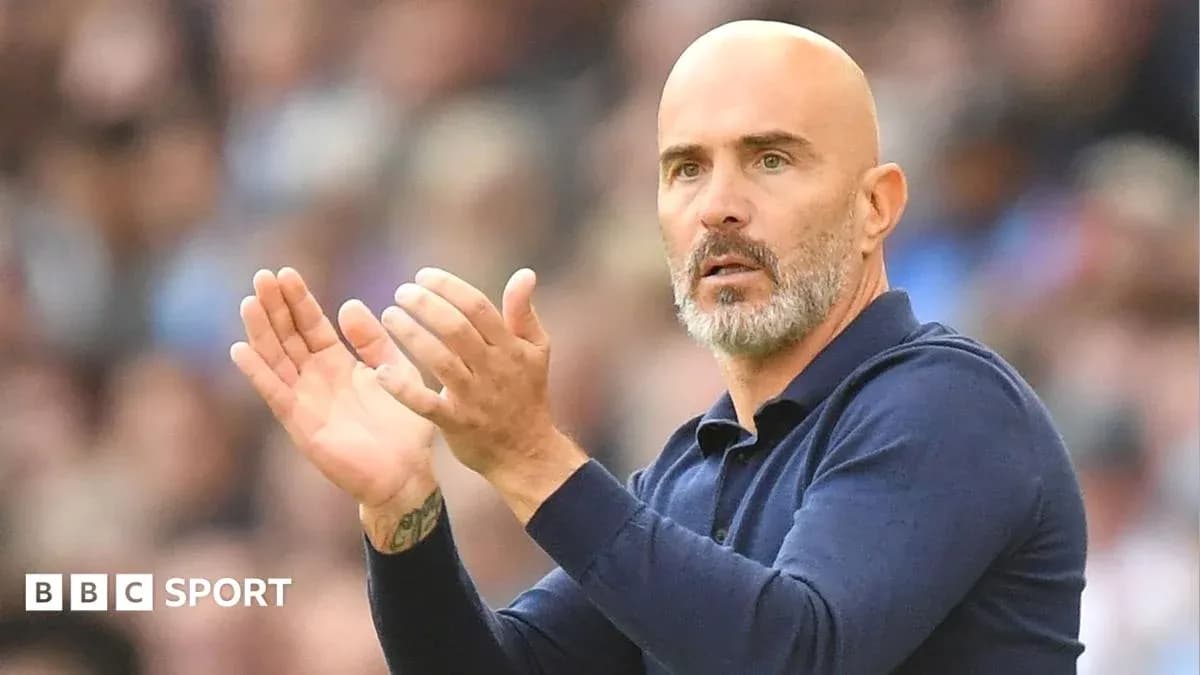
Enzo Maresca is not interested in excuses. Not his, not anyone else’s.
As Manchester City stride towards Sunday’s Premier League derby with two extra days’ rest in their legs and a perfect league record in their pocket, the Italian is refusing to turn fixture scheduling into a talking point – even though it clearly could be.
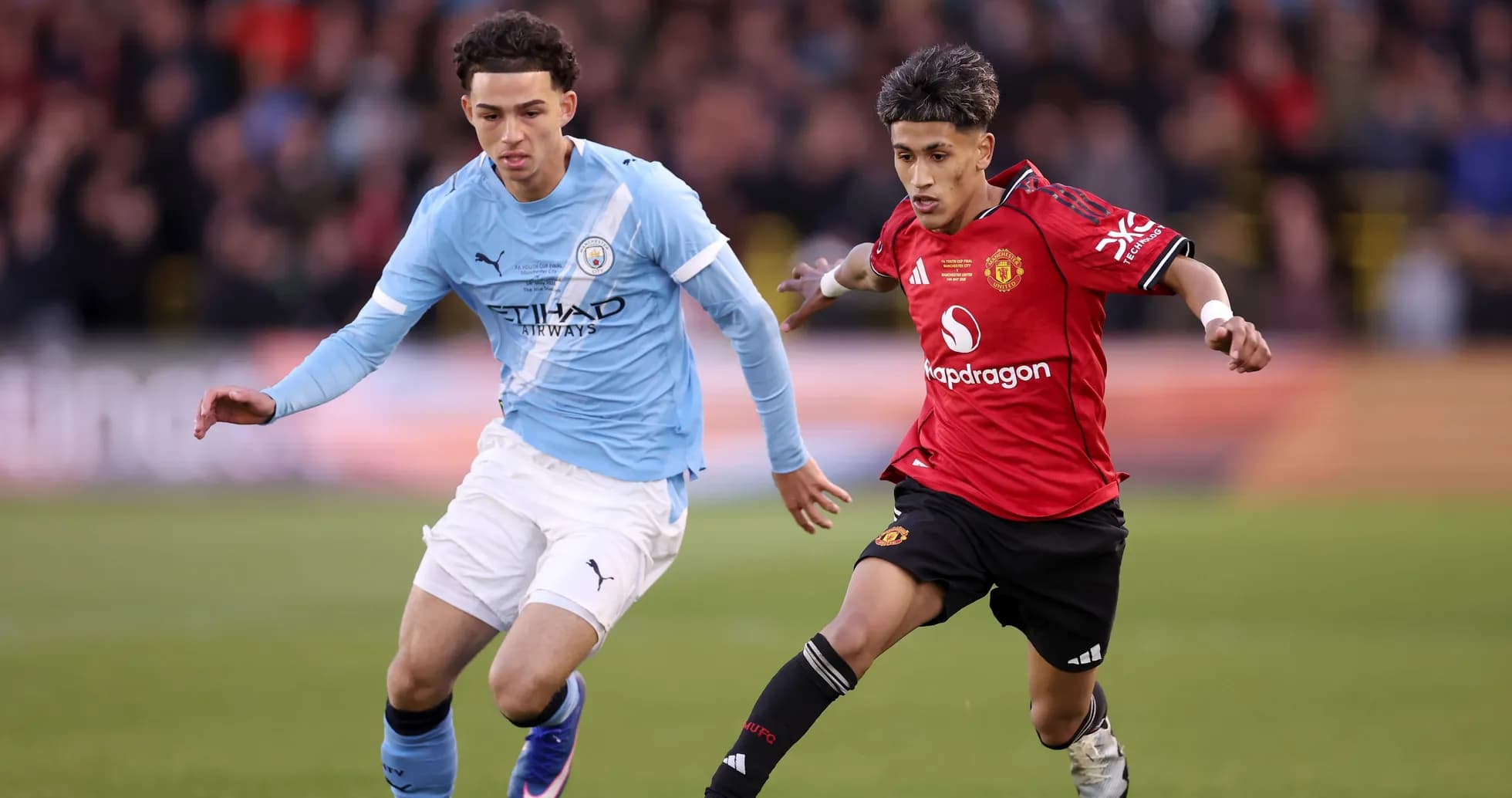
City wrapped up a controlled 2-0 win away at Porto in the Champions League on Tuesday night. Manchester United, by contrast, were still putting four past Sabah on Thursday, a 4-0 thrashing that came 48 hours later and leaves Michael Carrick’s players with a tighter turnaround and less preparation time.
On paper, the advantage is obvious. Maresca is not biting.
‘It happened to us last year’
The City manager reached back to last season to make his point. Then, it was Pep Guardiola pacing the technical area and Arsenal on the horizon.
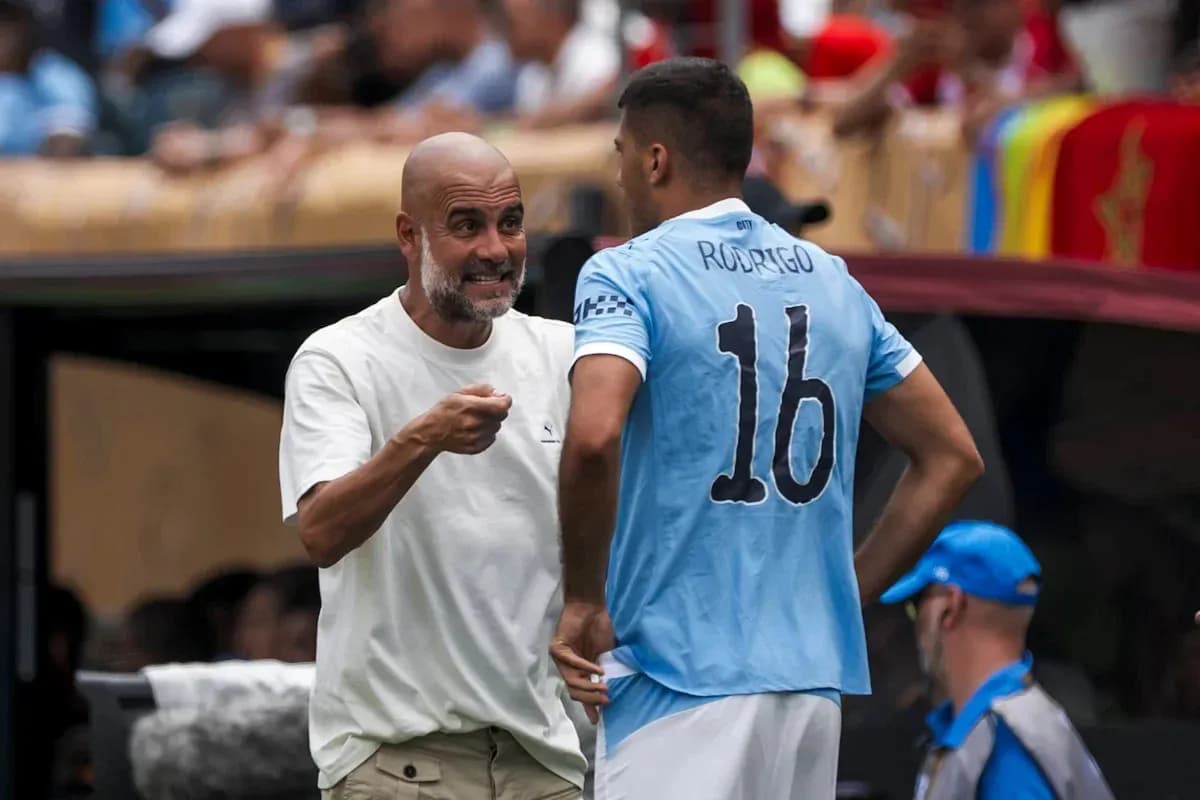
City had travelled to Napoli for a late Thursday kick-off in Europe, while Arsenal had already been in action at Athletic Club in the early game on Tuesday. The Gunners enjoyed the extra recovery; City had to live with it. Guardiola even joked at the time about taking his players “hiking in the mountains” before heading to Emirates Stadium.
The imbalance is not new, Maresca argued – and not unique.
“To be honest, the club mentioned to me that it happened exactly the same last year when the club played Napoli and then, after two days, played Arsenal,” he told BBC Sport. “Sometimes it happens in football. I don't have any doubt that Man United are going to be ready for that. It just matters to adapt.”
That word keeps coming back with him: adapt. Not complain. Not lobby. Adapt.
A calendar that never lets up
This season’s congestion is not easing for anyone. The expanded Champions League format has quietly added two more group-stage matches before the end of January, stretching squads and staff alike. English clubs then pile domestic demands on top, with the Carabao Cup cutting into what little breathing space remains.
City face Norwich at home in the third round next Thursday. United host Brighton at Old Trafford the night before. The wheel keeps turning.
“I think that happens and you need to adapt,” Maresca said, when asked if the calendar eventually evens itself out. “It happened last year with us, this season with them, next season it will happen with a different team.”
The question was put to him about how Carrick might be feeling as he stares at a derby with fewer days to prepare. Maresca swerved any attempt to speak for his opposite number.
“That's a question for Michael,” he replied. “The only thing I can say is it happened and you need to adapt.”
No sympathy, no needle. Just a manager setting the tone for his own dressing room: no alibis.
First derby, fast start
For Maresca, this is not just another league fixture. It is his first Manchester derby as City manager, a landmark moment in a job he has started with authority.
Three Premier League games. Three wins. City look sharp, organised, and already comfortable with his ideas. Across town, United’s start has been far less assured: four points from their opening three matches, questions still swirling around consistency and identity.
“It is very important for different reasons,” Maresca said of the derby. “We know how important a derby is, especially here. It is a special game.
“The most important thing we can do is try to be ourselves and then we see the final result.”
That last line reveals plenty. Maresca is not planning to bend his approach to the noise, the narrative, or United’s schedule. He wants City to impose their football, their rhythm, their standards, in a fixture that so often tilts on emotion.
United arrive with less rest, City with a perfect record and home advantage. One side can point to the calendar. The other refuses to even look at it.
On Sunday, only one of them will walk away feeling they adapted well enough.