.svg&w=384&q=75 "logo")
England’s New Era Roars to Life Against Ireland
England’s new era did not creep into life at Leicester. It roared.
Chasing 282 with a clutch of senior names rested or retired, an experimental side turned what looked a stern examination into a statement, romping home by six wickets with 71 balls to spare. The performance with the bat was ruthless. The work in the field, at times, anything but. Yet the message was clear: the next generation is not here to dip a toe in.
Bouchier and Dunkley rip up the script
Ireland’s 281-7, built on a smart blend of placement and running, should have asked questions of an England line-up missing Heather Knight, Tammy Beaumont, Nat Sciver-Brunt, Danni Wyatt-Hodge and Amy Jones. Instead, it was shredded by an opening stand that crackled from the first over.
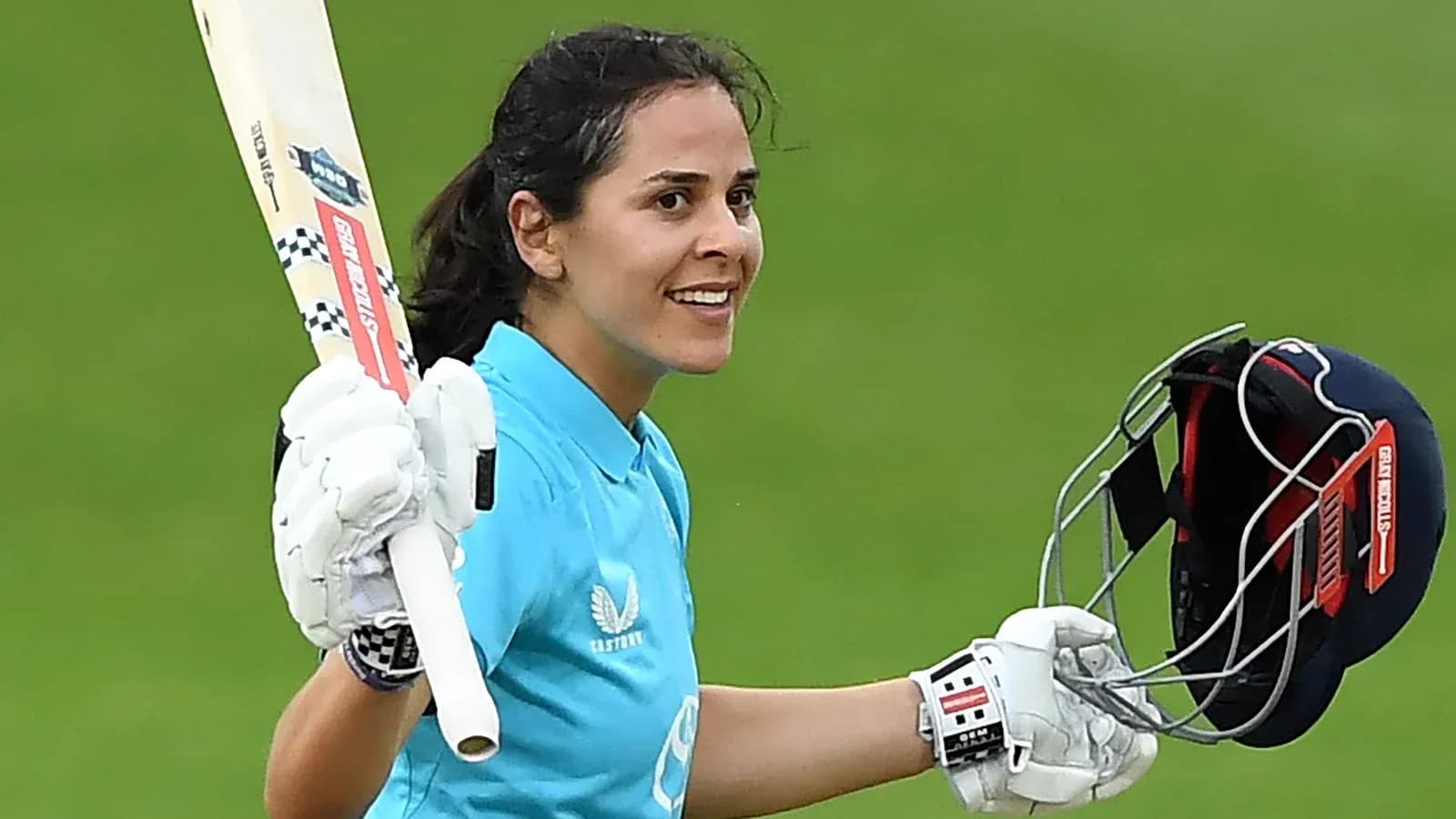
Maia Bouchier and Sophia Dunkley did not so much settle as seize. Dunkley, all tempo and intent, carved 73 from 61 balls. Bouchier, more measured but no less brutal once set, marched to a superb 104 from 95.
They rattled up 143 inside 20 overs, England’s chase effectively broken open before the innings had drawn breath. Dunkley took the early lead, driving through the line, picking off anything loose. Bouchier matched her stride, then surged ahead, lacing four consecutive boundaries off Jane Maguire to underline the imbalance between bat and ball.
This was England’s highest successful ODI chase, eclipsing the 267 they reeled in against Australia at Bristol during the 2023 Ashes. On that night Knight and Beaumont owned the stage. Here, with both now retired from ODIs, their likely heirs stepped forward.
Dunkley eventually fell to leg-spinner Cara Murray, caught and bowled for a vibrant 73, but the damage was long done. Bouchier kept going, sweeping, driving, nudging the gaps, and when she raised her second ODI hundred, the applause felt as much about the future as the moment.
She finally holed out to Arlene Kelly in the 32nd over with 59 still needed, but by then the chase had been reduced to a training drill.
Capsey’s gloves shine as England bowlers splutter
That England were chasing so many owed plenty to their own indiscipline with the ball. Twenty wides. Thirty-three extras in total. Without Sophie Ecclestone and Lauren Bell – both rested alongside Sciver-Brunt, Jones and Wyatt-Hodge – the attack looked raw and ragged.
Charlie Dean, the stand-in captain, was the exception. Her 2-44 gave England some measure of control in the middle overs. Issy Wong, entrusted with the new ball, lurched from erratic to incisive. She sprayed four consecutive wides outside off in her third over, yet still removed Alice Tector for 11 and later shattered Gaby Lewis’ stumps to crack open Ireland’s innings.
Behind the stumps, though, there was a revelation. With Jones sitting out, Alice Capsey took the gloves and looked as if she had worn them all her life. A sharp, one-handed grab to her right in the fifth over set the tone. Her movement stayed crisp, her hands soft, her presence assured. If she maintains this level over the series, the conversation around England’s long-term wicketkeeping plans will grow louder.
Dean’s captaincy had to withstand a serious Irish surge. Lewis, the skipper, and Amy Hunter ran hard and ran smart, turning ones into twos, refusing to let England’s bowlers settle. Their 136-run stand for the second wicket transformed 13-1 into 149-1 and, for a while, had the hosts chasing shadows.
Dean broke through by bowling Hunter for 62. Mady Villiers then tempted Orla Prendergast into a heave to deep midwicket, where Bouchier flung herself forward to cling on to a fine diving catch. Ireland had slipped from 149-1 to 184-4, three wickets gone for 35, and the innings teetered.
Ireland impress, but England’s hitters crush the chase
Ireland refused to fold. Rebecca Stokell, unbeaten on 54, and Leah Paul (29) rebuilt calmly, adding 84 from 71 balls for the fifth wicket. They ran with the same urgency that had underpinned Lewis and Hunter’s stand, nudging Ireland towards a total that felt, at halfway, more than competitive.
The finish, though, lacked the flourish the platform deserved. Across the final four overs, shared by Dean and Wong, Ireland mustered just 24 runs and failed to find a boundary off the bat. Their oddest reward came when a Wong delivery thudded into Stokell’s leg stump, somehow failed to dislodge the bails, and skidded away for four byes.
Still, 281-7 was a target with teeth. Or it should have been.
Ireland’s discipline with the ball deserted them. Too many boundary balls, too many misfields, too much charity for a batting unit brimming with freedom. The sloppiness that had marred England’s effort in the field was mirrored, and then some, by the tourists once the chase began.
Murray offered resistance, her 3-58 the standout return. She produced a lovely, teasing delivery to bowl Jodi Grewcock for 9 and later dismissed Freya Kemp, who was caught at deep midwicket trying to finish the game with a six. But by then, England’s middle order had already turned a record chase into a procession.
Capsey, fresh from her work with the gloves, slipped seamlessly into the role of closer. She crafted an unbeaten 41 from 40 balls, happy to rotate early, then cash in when the field spread and the bowlers tired. At the other end, Kemp made sure the run rate was never a factor. She hammered 36 from just 22 deliveries, including four fours in a row off Kelly in the 34th over, echoing Bouchier’s earlier assault on Maguire.
The winning runs came in fitting fashion. A misfield on the deep midwicket fence – another Irish lapse on a day littered with them – allowed Capsey to thump the decisive boundary and seal a 1-0 series lead.
Dean’s blueprint, and the questions ahead
Dean did not hide from the flaws. She admitted England “could have been a little tighter with the ball” but lauded the intent with the bat, particularly in attacking the powerplay in a format where teams can often drift early. That, she suggested, is the template.
It is hard to argue when the first 20 overs look like this.
Bouchier’s hundred, Dunkley’s tempo, Capsey’s dual role, Kemp’s fearless hitting, Dean’s control, Wong’s bursts of hostility: this was a day that hinted at depth, at options, at a side beginning to reshape itself after the departure and resting of its old guard.
Ireland, for their part, leave Leicester with bruises on the scoreboard but credit in the bank. Lewis, Hunter, Stokell and Paul all showed they can build and sustain pressure with the bat. The task now is to match that composure with the ball and in the field, or the gap will only widen.
Derby comes next, then Worcester. England already have their record chase. Ireland have their warning. The real question is whether this was a one-off spark from England’s new faces, or the start of a more ruthless, more aggressive era that will define the seasons to come.