.svg&w=384&q=75 "logo")
Elanga Injury Disrupts Sweden's UEFA Nations League Plans
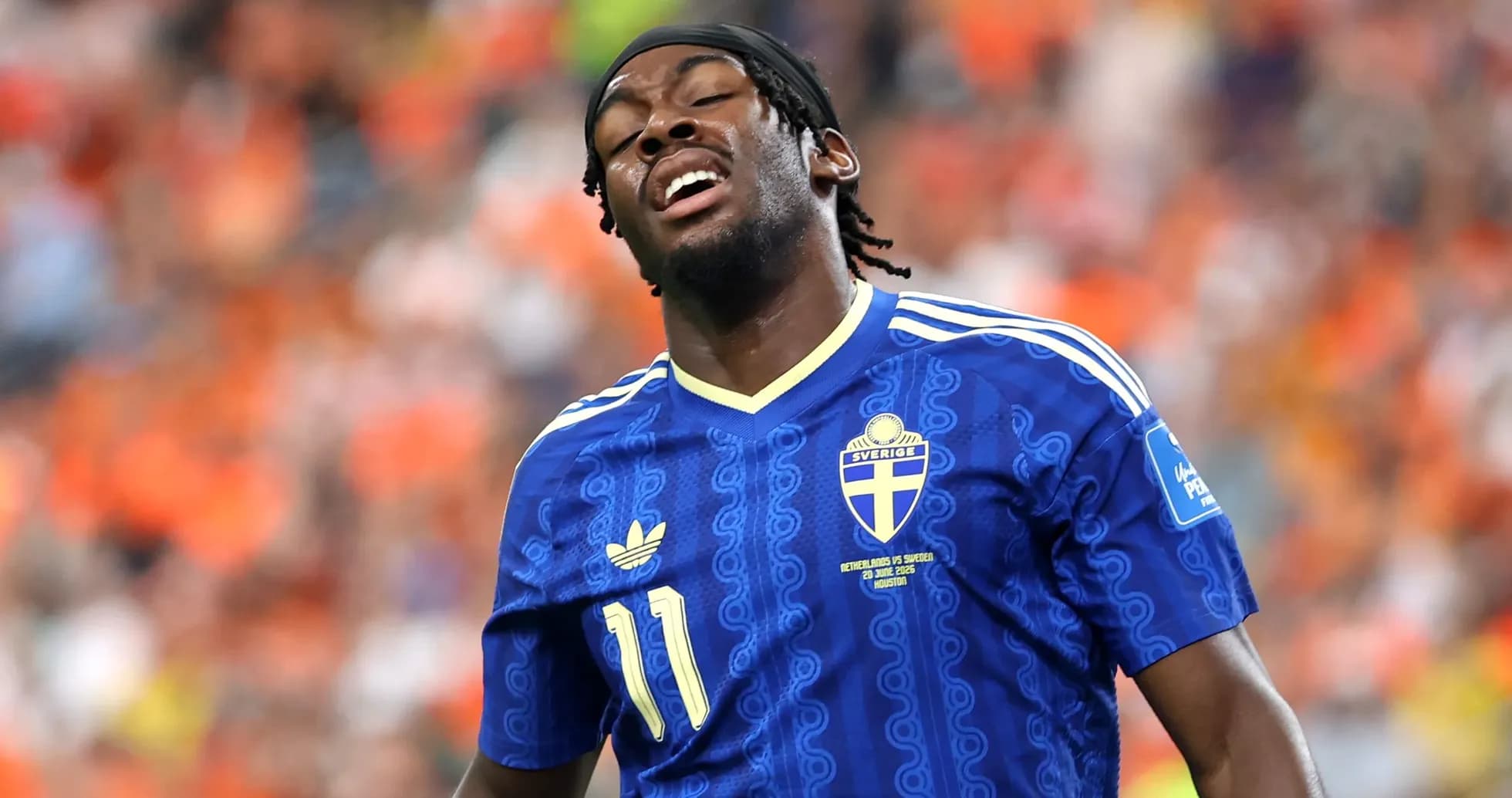
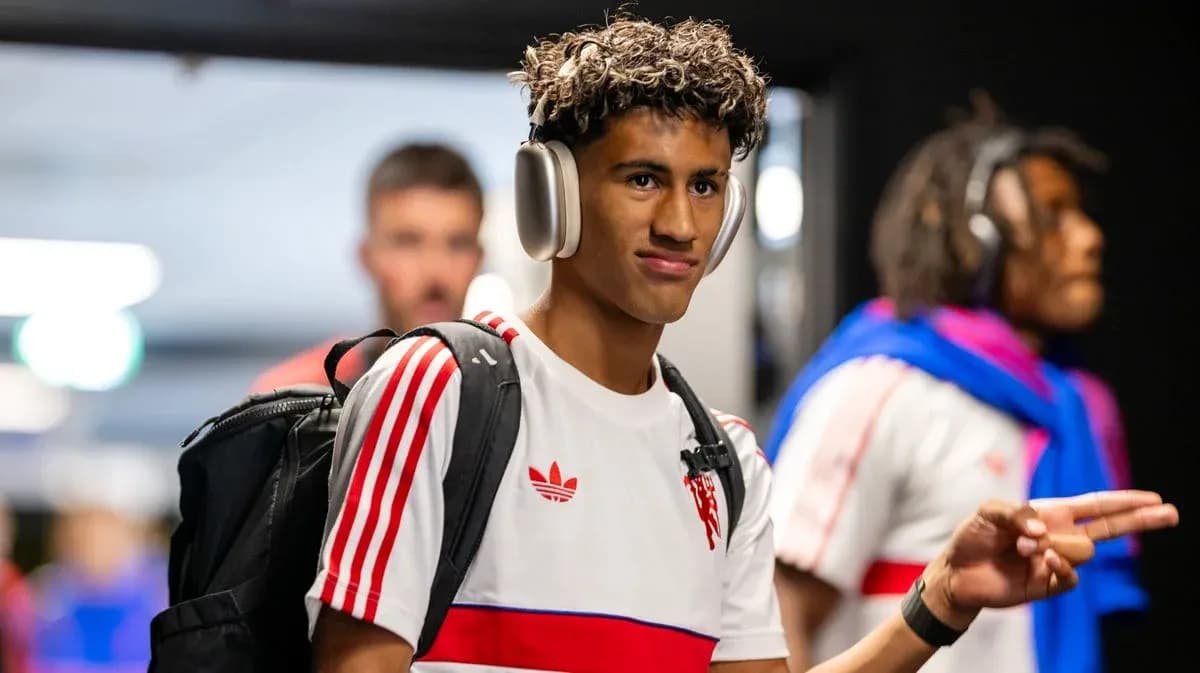
Anthony Elanga’s autumn was supposed to be about lift-off. Instead, it has stalled on the runway.
The Swedish FA confirmed the 24-year-old will miss the upcoming UEFA Nations League fixtures, ruling him out of meetings with Romania, Poland, and Bosnia and Herzegovina. His name was missing from the squad list released this week, and the explanation was as stark as it was simple: injury in the past week, no part to play.
For a player who had muscled his way into the status of key figure for his country, it is a brutal pause.
Jaissle braced for bad news
At club level, the alarm bells were already ringing.
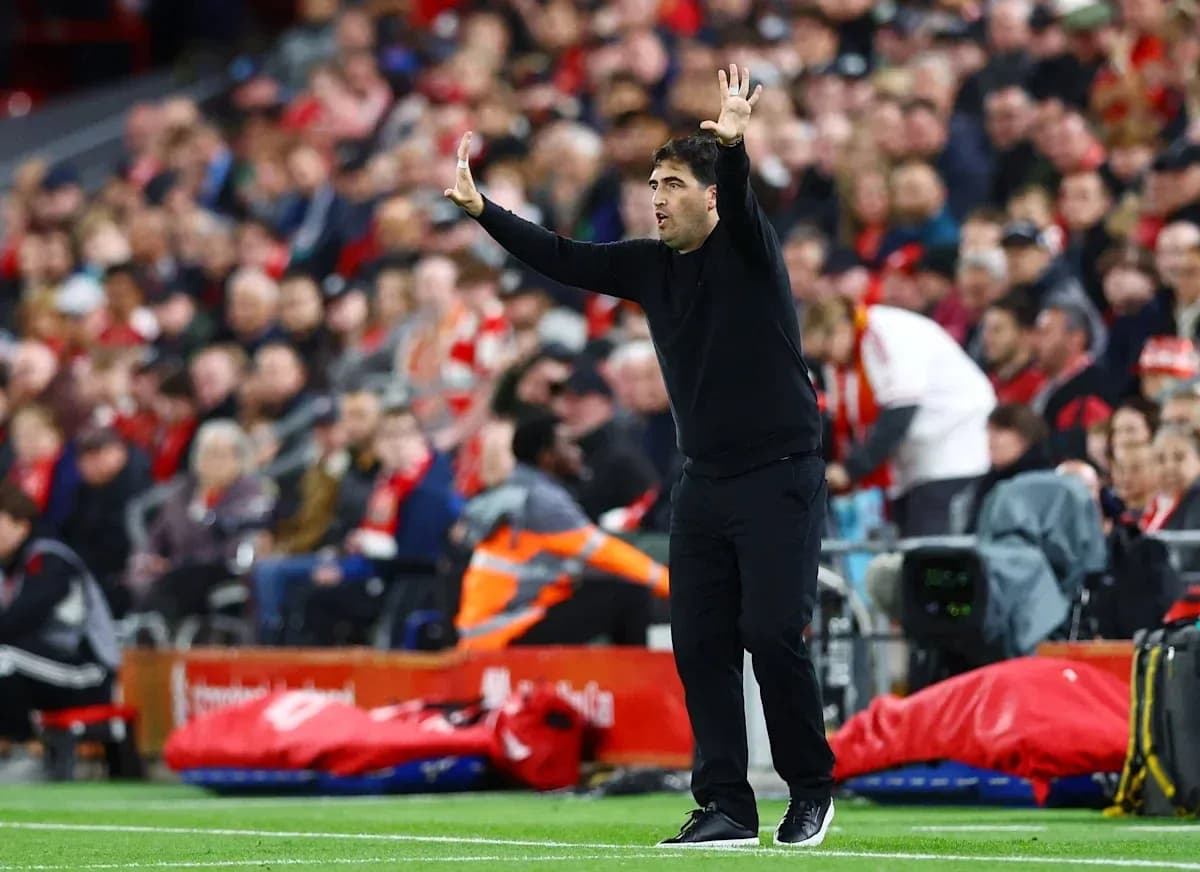
The Magpies’ head coach Matthias Jaissle cut a worried figure after his side’s heavy 4-1 defeat at Leeds, and not just because of the scoreline. Elanga limped out of the picture, and Jaissle did not sugar-coat what he had seen.
“The injury doesn’t look good. We need to investigate how serious it is,” he said in the immediate aftermath. “Elanga is struggling with injury but at the moment it does not look that good. Unfortunately, he is injured. We need to investigate further and in more detail to find out how long he will be out. We will miss him and hope he is back to play quickly. It could be [long-term]. We hope not. He will get another MRI next week, and we will see.”
The words hung in the air. One of the club’s most explosive attacking outlets, now facing the prospect of a “long-term” absence. The second MRI next week will not just be a scan; it will be a verdict on how much of the season he might lose.
For Sweden, the timing could hardly be worse.
Potter forced into a rethink
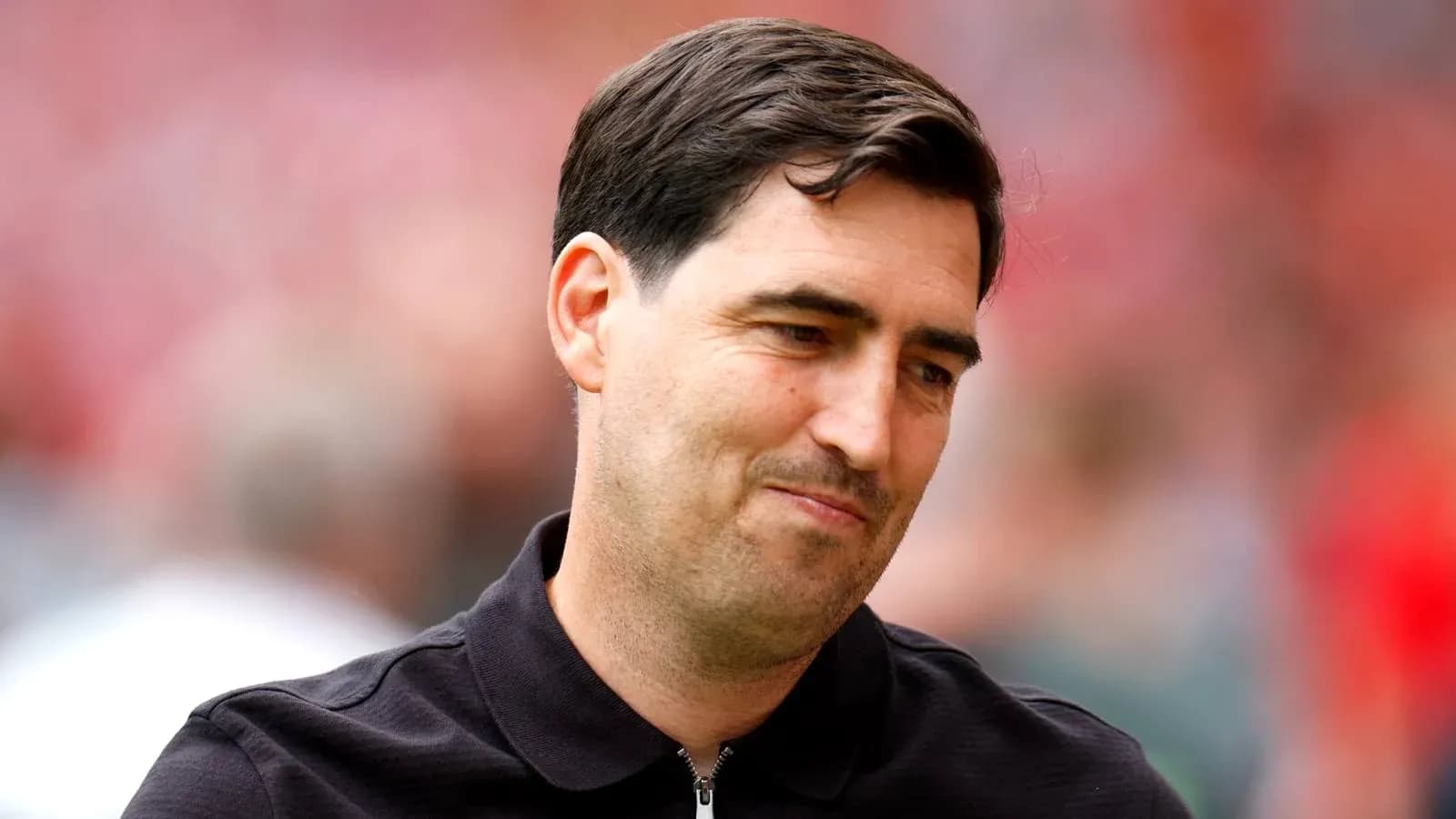
Elanga’s withdrawal adds to an already complicated picture for national team coach Graham Potter. Isak Hien and Jacob Widell Zetterström are also sidelined, stripping experience and continuity out of the squad spine.
Potter’s response has been to go big. An expanded squad has been named to spread the load across a demanding Nations League schedule and to accelerate the next generation’s integration.
That shift is perhaps most visible in goal. Veteran Kristoffer Nordfeldt has been left out, with Melker Ellborg and Noel Törnqvist handed the chance to step into the spotlight.
“I think it’s a good time to look a little forward, bring in more younger goalkeepers who we need to get to know and gain a greater understanding of, while giving them the chance to gain experience at this level which is important for their development,” Potter said.
No drama, no fanfare. Just a clear line in the sand: Sweden will ride this injury storm by pushing younger players to the front.
Big names still carry the flag
The absences are significant, but this is no makeshift Sweden side.
Alexander Isak, now leading the line at Liverpool, and Arsenal forward Viktor Gyökeres remain the headline acts in attack. Between them, they bring goals, movement, and a presence that can bend a game in Sweden’s favour even when the playbook has to be adjusted.
They will need every bit of that influence in a Division B group that offers no hiding place. Bosnia and Herzegovina, Poland, and Romania form a tight, awkward cluster of opponents where any slip can turn a campaign.
The journey starts on September 25 in Stockholm against Romania, followed three days later by another home date, this time with Poland. Two games, six points on offer, and a chance to set the tone for a Nations League run that doubles as a laboratory for Potter’s ideas.
He was clear about that dual purpose.
“We also need to continue to develop the team and build on what we established in the World Cup and a good way to do that is to win matches,” he concluded.
Development and results. Evolution and edge. For Potter, they cannot be separated.
Elanga’s injury strips away one of his most dynamic weapons just as the games begin to matter again. The question now is simple and ruthless: can Sweden keep moving forward while one of their brightest sparks watches from the treatment room?