.svg&w=384&q=75 "logo")
Cristiano Ronaldo's Legacy: How Long Can He Keep Playing?
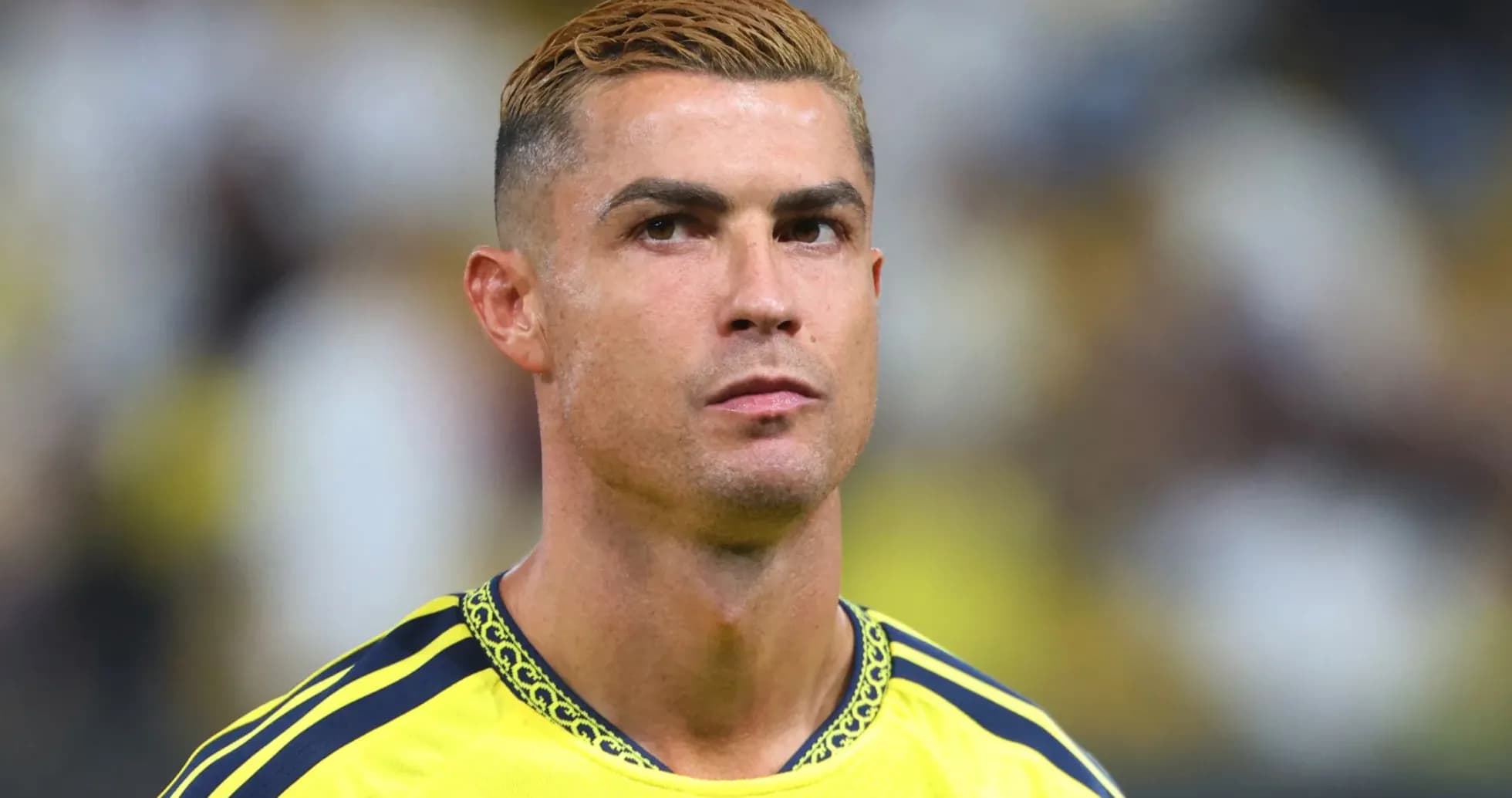
Cristiano Ronaldo has spent two decades tearing up football’s timelines. Now, as the debates grow louder over how long he can keep doing this, one former Premier League manager is convinced the clock will stop only when Ronaldo decides it does.
At 39, with 233 caps for Portugal and a World Cup in 2026 that exposed the limits of an ageing squad as much as an ageing icon, the conversation has shifted. Not about what he’s done. About what’s left.
Internationally, the horizon looks shorter. Ronaldo struggled to bend the 2026 World Cup to his will, and he was far from alone in Roberto Martinez’s side. The questions since have been inevitable: should Portugal finally start planning without him? Will there be one last dance at Euro 2028? Or has the national-team chapter already reached its epilogue?
A seventh World Cup in 2030, on Iberian soil with Portugal co-hosting alongside Spain and Morocco, has effectively been written off. By then, Ronaldo would be in his mid-40s. Even for him, that stage feels a step too far.
Club football, though, is a different story.
Saudi stage, same obsession
Ronaldo’s contract in Saudi Arabia runs to the summer of 2027 and remains the most lucrative deal in the game. The money is staggering, but the key question is more basic: can he still play at a level that satisfies his own standards?
Gus Poyet, who has seen the Saudi Pro League up close, is adamant. Speaking to GOAL in association with Gambling.com, he didn’t hesitate when asked how long Ronaldo could keep going there.
“Until he wants,” Poyet said.
That verdict comes from experience, not distance. Poyet spent a month in Saudi Arabia in 2024, embedding himself in the league, watching games, studying training sessions, and trying to understand how the ecosystem really works.
“I was there for a month and I'm very pleased I went there for a month because I visited Saudi Arabia in 2024 to see it from inside,” he explained. He watched matches, but the real education came on the training pitch. What looks possible from the stands, he realised, changes when you step into the daily grind.
“That month gave me a clear picture of where you go to a team, what you're going to get, how you can play, how you can use your resources. And when you go to another team, with Ronaldo, then you have a different kind of situation.”
Different is one word for it. Distorted might be another.
A league of two speeds
Poyet paints a stark picture of a competition split in two.
“There is four teams, government-based financially. There is another three or four teams private. They are pushing tremendously… And then you've got the six or seven, they're going to play for relegation.”
At the top, the money is transformative. Clubs that can afford “special players” go all in. They sign stars who tilt the pitch, rewrite expectations and, at times, skew the competitive balance.
“The teams that can push for a special player, they really push and they make a difference,” Poyet said. Others are trying to catch up, changing strategy, investing more smartly, building better structures. The facilities, in many cases, are already elite: “Very, very good standards and very good facilities and stadiums, new stadiums, amazing.”
Then there’s the rest.
The clubs fighting at the bottom live on a knife-edge. Foreign slots become a lifeline.
“If you miss two foreigners that you can have in your team, you're dead, you go down. You cannot miss anyone,” Poyet warned.
Most of those sides lean on experience, but experience in that climate comes at a cost. “Experience means a certain age and it's too hot and you need to run and it's a game.” Legs tire. Mistakes creep in. Survival becomes a sprint in slow motion.
Within that landscape, a player like Ronaldo still bends reality. Even if he no longer does it at the speed of 2013.
Slower, but still singular
Poyet doesn’t sugar-coat the physical truth. Ronaldo is not the same athlete who once terrorised full-backs in Manchester and Madrid.
“When I look at him, there is not many players like him physically. Obviously, he's slower. He knows that. Obviously, you start losing some agility. He knows that. And that's why he's probably playing there.”
The shift is clear: less explosive, more economical. Fewer long sprints, more decisive movements. He has adapted his game to live in the box, to hunt moments rather than dominate matches from touchline to touchline.
Yet in the Saudi Pro League, that version of Ronaldo still carries enormous weight. He scores, he draws crowds, he shapes games. And he does so in a league Poyet insists deserves to be viewed alongside other emerging powerhouses.
To make the point, he turns to the other half of football’s defining modern rivalry.
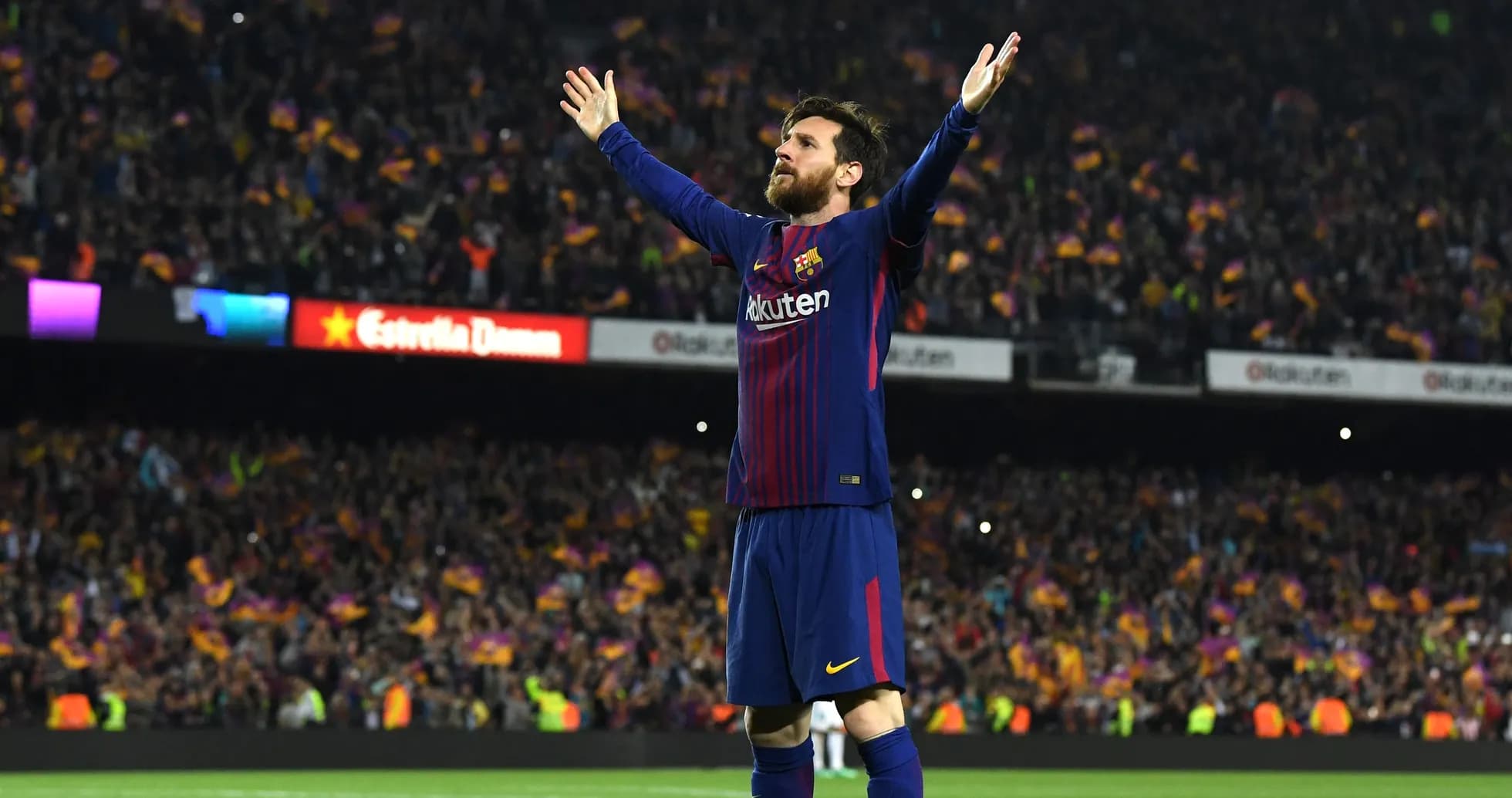
“Listen, don't go too far with [Lionel] Messi. Messi is playing in MLS - you can put that in the top divisions in the world. So there is certain moments for certain leagues and Ronaldo can still play.”
If MLS can house Messi and still be taken seriously at the top end of the global game, the argument runs, then Saudi Arabia can do the same with Ronaldo. Different style, different context, same gravitational pull.
Chasing a thousand
Strip away the noise and one number still looms over Ronaldo’s late career: 1,000.
Not games. Goals.
He has built an entire legend on an obsession with scoring, with stacking records until the list feels almost absurd. For Poyet, that hunger remains the single biggest reason to believe this story is not close to finished.
“I think he's staying,” he said. “I don't think the time for retirement comes before 1,000 goals. No way. That would be insane.”
That target may sound outrageous. It also sounds exactly like the kind of mountain Ronaldo has spent his life trying to climb.
International glory may be fading into the background. A home World Cup in 2030 is almost certainly out of reach. Euro 2028 sits in the grey area, dependent on form, fitness and Portugal’s willingness to lean on a legend one more time.
But in Saudi Arabia, on a contract that runs deep into the decade, with a league still finding its ceiling and a personal tally he refuses to cap, the ending is not yet written.
Ronaldo has spent years dictating his own narrative. The real question now is simple: who, or what, is going to stop him first – his body, the game, or his own refusal to walk away before that 1,000th goal hits the net?