.svg&w=384&q=75 "logo")
Cricket at Aichi-Nagoya 2026 Faces Major Challenges
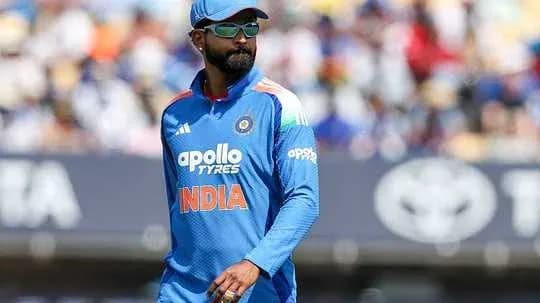
Cricket at Aichi‑Nagoya 2026 has hit an early snag. Months before a ball is bowled, the sport’s biggest Asian powers are already unimpressed.
What should have been a showcase of cricket’s growth in Japan has instead triggered a flurry of phone calls, quiet complaints and urgent inspection plans.
Big teams, big doubts
At the recent Asian Cricket Council (ACC) meeting in Bangkok, the conversation kept circling back to one subject: Japan. Not the opponents. The facilities.
Concerns came “from the big boys,” as one official described it — India, Pakistan, Sri Lanka, Bangladesh and Afghanistan, the continent’s Test-playing nations. Between them, they supply the star power that can turn a niche event into a television product. Right now, they’re far from convinced.
Their unease rests on two pillars: where they will play, and where they will sleep.
On paper, there are three accommodation options on offer. Teams can base themselves in a city and commute by bullet train to the venue. They can stay on a ship anchored nearby. Or they can live in marquee tents.
For elite international cricketers, none of those choices screams “Games-ready”. The idea of marquee tents for squads used to five-star bubbles, or a daily bullet train dash on match days, has not gone down well. Nor has the sense that the ACC, under president Mohsin Naqvi, moved too slowly while other continental bodies locked in hotel blocks months in advance.
That delay has left boards scrambling, and tempers fraying.
A ground still finding its feet
The venue itself is another flashpoint. The cricket facility in Nisshin City is a makeshift ground, closer in feel to an Associate nation outpost than a polished multi-sport showpiece. There are no proper dressing rooms yet. Temporary solutions are in the works, but time is tight.
ICC CEO Sanjog Gupta recently tried to strike a hopeful, if cautious, note on social media. He posted a video of the ground, lush and green, and wrote that the venue “is almost ready and is set to be unveiled at the 20th Asian Games Aichi-Nagoya 2026.” He acknowledged that “there is still some work to be done” before it can host 10 men’s and 8 women’s teams, match officials and fans, but stressed that the ACC and ICC teams “is on the job (sic).”
The Asian Games’ own description paints a more formal picture. The facility is billed as a sports park in Nisshin City, with a cricket ground developed specifically for the Games. It is only the second venue in Japan to feature a natural grass pitch that meets international competition requirements. Japan has already tested it in part, hosting an ICC pathway tournament there in May.
But a usable ground and a tournament-ready complex are very different things. That gap is what worries the major boards.
Late inspections, rising pressure
Inside the ACC, there is now talk of sending an inspection team to Japan to assess the situation on the ground. One member told Cricbuzz that such a visit is planned, but admitted there is a growing sense it may be “too late in the day” to fix everything.
In India, the issue has already reached the highest levels. Sources in both the BCCI and the Indian Olympic Association (IOA) confirmed that the matter has been discussed, and that a BCCI operations official was earmarked to travel to Japan to review arrangements. As of early this week, there was no confirmation that he had actually boarded a flight.
Japan Cricket Association (JCA) CEO Alex Miyaji was approached for comment but did not respond immediately, leaving another question mark hanging over preparations.
Full-strength India, uncertain stage
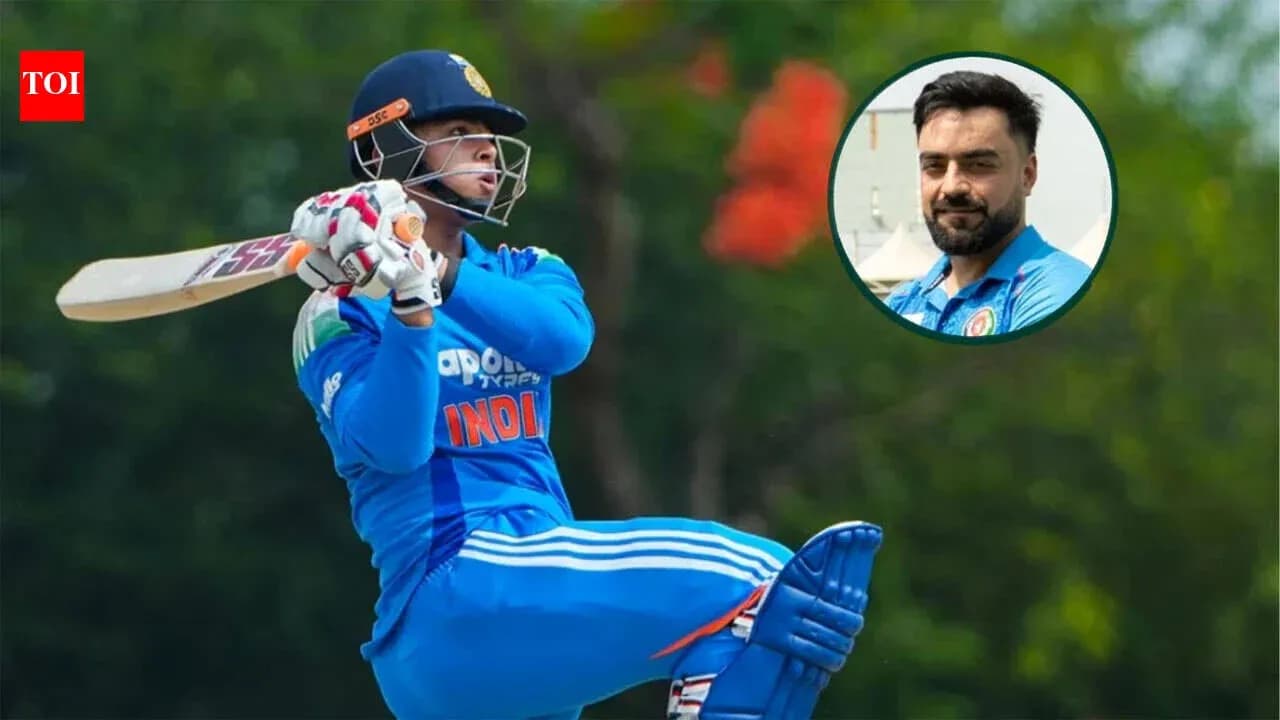
All this comes with a significant commitment already made. The BCCI is sending full-strength India squads to Aichi-Nagoya, led by regular captains Shreyas Iyer and Harmanpreet Kaur.
Reports suggesting that India might downgrade to “B teams” have swirled in recent weeks, but officials have pushed back. At the time of this report, there had been no such change. With squads named and logistics in motion, they insist it is too late to overhaul selections unless injuries intervene — as they did for Jemimah Rodrigues, who has been replaced by Pratika Rawal.
The cricket itself will be fast and condensed. Both men’s and women’s events will be played in the T20 format, starting on September 17, two days before the official opening ceremony of the Games on September 19. The women’s final is set for September 22. The men’s gold medal match closes the cricket schedule on October 3, the eve of the Games’ conclusion on October 4.
There have been suggestions of an India men’s friendly against Japan on September 22, a fixture that would offer the hosts priceless exposure and the visitors a chance to acclimatise. Officials from both the BCCI and JCA, however, have not confirmed that such a game is locked in.
So the countdown continues. The grass in Nisshin is greening, the schedules are fixed, the squads are named. Yet the continent’s heavyweight teams still don’t know if the stage will be worthy of the players stepping onto it.
With the clock ticking toward September 17, will Japan and the ACC turn a makeshift park into a credible Asian Games arena — or will cricket arrive in Aichi-Nagoya still asking basic questions it should have answered months ago?