.svg&w=384&q=75 "logo")
Championship Early Shape: Strugglers Stumble as Spurs Face Pivotal Month
Four games in, the Championship is only just clearing its throat, but the first notes are telling.
Swansea, QPR and Charlton have burst from the blocks, each sitting on 10 points and, for now, setting the tone. For Charlton in particular, this start could prove priceless when the season tightens and the relegation picture sharpens. These are the weeks when foundations are laid, when a good August and September can buy you breathing room in March.
Swansea look slick, confident, like a side that knows what it wants to be. QPR, too, have started brightly, though this division has a habit of chewing up fast starters and spitting them out by winter. Wolves, Boro, Bristol City, West Brom and Birmingham are all tucked in behind, clustered between seven and six points, each close enough to dream but far from convincing anyone yet.
Then there’s West Ham. Three laboured outings to open the campaign raised questions, but a commanding win over Wolves snapped the early anxiety. That performance carried the weight of a reminder: this is still a squad built for the automatic promotion places, and when they click, they look every inch the favourites.
At the other end, the warning lights are already flashing. Preston North End have lost four from four. Burnley, still winless, are stuck on two points and searching for a spark. Stoke sit just above them on three. Nobody goes down in August, but patterns form early, and the bottom three already feel the strain that comes when every mistake seems to cost you.
Top Eight
- Swansea (10 pts)
- QPR (10 pts)
- Charlton (10 pts)
- Wolves (7 pts)
- Boro (7 pts)
- Bristol City (7 pts)
- West Brom (7 pts)
- Birmingham (6 pts)
Bottom Three
- Stoke City (3 pts)
- Burnley (2 pts)
- Preston NE (0 pts)
No European football. Fewer midweek distractions. For Tottenham Hotspur, September offers clarity and, crucially, opportunity.
Roberto De Zerbi has a squad that is now largely settled, with only the uncertainty around Richarlison’s future still hanging in the air. The calendar is kind: four matches for the men’s team, one of them a high-stakes EFL Cup tie away at Liverpool. It’s the kind of month that can quietly redefine a season.
Spurs showed flashes against Newcastle, enough to suggest there is something taking shape under De Zerbi, but they walked away with nothing. That has to change now. Forest at home on 5 September, Everton on 12 September, then Anfield on the 15th in the cup, before Aston Villa visit on the 19th. On paper, it’s a manageable run. On grass, it’s a test of whether this revamped side can turn “promising” into points.
The women’s team begin their own campaign with a different kind of intrigue. West Ham come to town this weekend, the first look at a new-era Spurs side stripped of some of its most recognisable faces. Beth England and Molly Bartrip, among the big names to depart, leave not just gaps in the squad but in the dressing room.
From there, it’s Liverpool away, then Palace, then West Ham again in the League Cup, Villa, and Brighton in another cup tie. Six games, a new identity to forge, and a fanbase eager to see who steps into the void.
Tottenham Hotspur Men’s Schedule
- Forest (5 September)
- Everton (12 September)
- at Liverpool, EFL Cup (15 September)
- Villa (19 September)
Tottenham Hotspur Women’s Schedule
- West Ham (6 September)
- at Liverpool (13 September)
- at Palace (20 September)
- West Ham, League Cup (23 September)
- Villa (27 September)
- at Brighton, League Cup (30 September)
More than £300m spent. A squad that flirted with relegation last season has been ripped up and rebuilt. Tottenham’s hierarchy have made their position clear: Roberto De Zerbi is their man, and they are all-in.
Some of the departures were seismic. Cristian Romero and Guglielmo Vicario both moved on, stripping away pillars from the spine of the side. The response was aggressive. Mateus Fernandes arrived as a headline signing, a statement that Spurs intend to compete for more than mid-table comfort.
There was smart business too. Marcos Senesi and Andy Robertson came in on free transfers, the sort of deals that strengthen a squad without suffocating the budget. Spurs then pushed hard on the attacking front, paying a premium for Savio, a winger expected to inject real quality and unpredictability in the final third.
Omar Marmoush offers another intriguing option in attack, the kind of signing that could look inspired if he settles quickly. The move for Mykhailo Mudryk, though, raises questions. His talent is obvious; his trajectory at club level, far less so. If De Zerbi can revive him, Spurs gain a potentially devastating wide player. The dilemma is longer-term: what does that rehabilitation ultimately yield for the club?
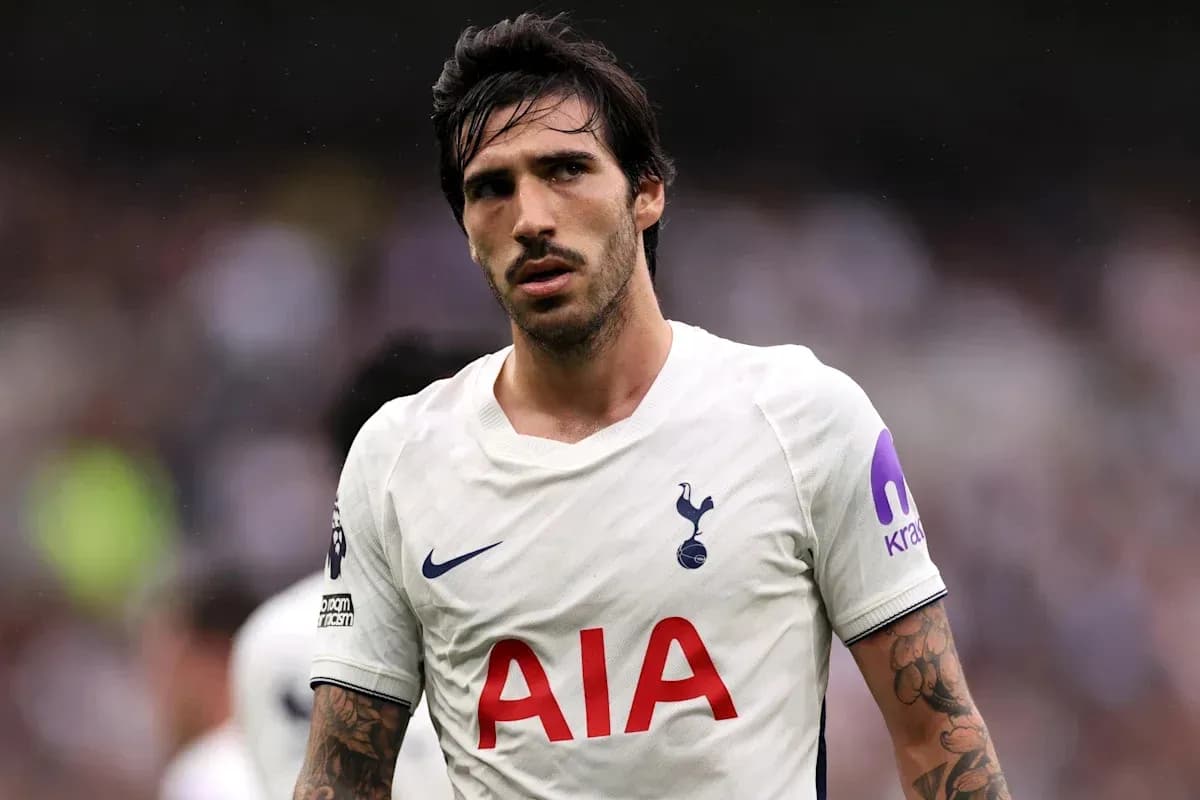
Sandro Tonali’s arrival underlines the scale of the rebuild. A midfielder of his calibre changes the feel of a team. On paper, this is a window that transforms Spurs’ ceiling.
Not every decision convinces. Letting Will Lankshear leave looks a risk. There was a clear pathway to develop him through loans, to see if he could grow into a long-term option. A sell-on clause offers some insurance, but there’s a sense of opportunity missed.
The goalkeeping situation is another concern. Martin Dubravka does not look like a genuine threat to Antonin Kinsky’s position, and doubts remain over Kinsky himself. With so much money spent elsewhere, this felt like a chance to secure a definitive upgrade between the posts. Spurs passed it up.
On balance, though, the club have delivered a bold, ambitious window. The grade lands at a firm B+: heavy investment, clear intent, and enough quality added to reshape the squad.
Now the spending stops, the noise fades, and the real question takes over: can De Zerbi turn this backing into something that actually lasts?