.svg&w=384&q=75 "logo")
Celtic's Defensive Crisis: Europa League Collapse Against Ferencvaros
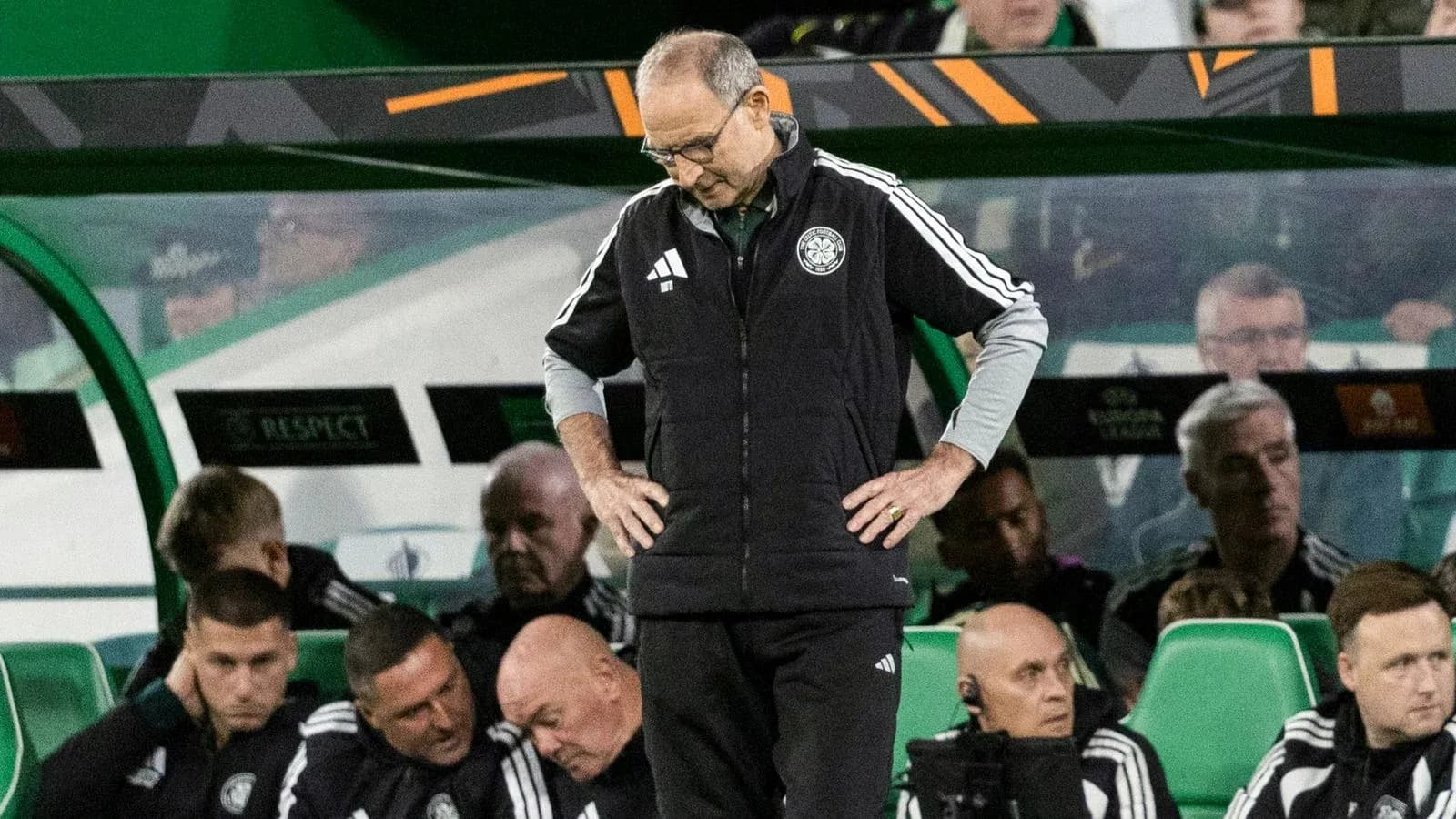
Celtic’s defensive frailty is no longer a warning sign. It’s a full-blown crisis.
Four days after folding in an Old Firm collapse, Martin O’Neill’s side opened their Europa League campaign with a 3-1 home defeat to Ferencvaros, a scoreline that barely captures the scale of self-destruction at Celtic Park.
They began brightly. The ball moved crisply, James Forrest looked reborn on the left, and Ferencvaros were pinned back. Within eight minutes, Forrest whipped in a teasing cross that found Camilo Duran, only for the summer signing to take an extra touch and stab wide. It felt like an early statement had been missed.
The punishment arrived quickly.
Errors, then more errors
On 20 minutes, Kieran Tierney misjudged a cross he should have dealt with. The ball dropped to Bamidele Yusuf, whose shot was heading on target before a decisive, unfortunate final touch from Liam Scales diverted it past Viljami Sinisalo. An own goal, another blot on a Celtic defence already under heavy scrutiny.
Ferencvaros sensed vulnerability. Daniel Arzani, sharp and direct all evening, burned past Cameron Carter-Vickers and forced Sinisalo into a smart low save. The warning lights flashed. Celtic didn’t heed them.
To their credit, O’Neill’s side did respond. Forrest kept driving at his full-back, Haissem Hassan went close at the back post, and Callum McGregor saw a deflected effort spin wide. The crowd, edgy but hopeful, finally got their moment just before the interval.
Tierney, so often the outlet and occasionally the culprit, swung in a cross from the left on 44 minutes. Mika Baur attacked it with conviction, thundering his finish into the net. Level at 1-1, Celtic Park erupted. The timing felt perfect. The mood flipped.
It lasted barely a minute.
From kick-off, Ferencvaros went straight for the same soft centre. Yusuf again isolated Tierney, skipped past him, and McGregor then hesitated fatally in the box. Kristoffer Zachariassen needed only the deftest of flicks to guide the ball past Sinisalo. Celtic had equalised on 44 minutes and were behind again by 45+1. The boos at half-time were laced with disbelief.
Second-half collapse
If the late first-half concession was careless, what followed after the restart was bordering on reckless.
Within two minutes of the second half, Celtic surrendered possession cheaply in their own half. Colby Donovan, fresh from his first Scotland call-up and desperate for a solid European night, was exposed. Ferencvaros pounced. The ball broke to Arzani on the edge of the box and the Australian winger lashed a ruthless strike into the top corner. Sinisalo didn’t move. Celtic’s defence did – but only to look at each other.
At 3-1, the Hungarians didn’t need to chase the game. Celtic did, and that urgency came wrapped in anxiety. Passes went backwards, the crowd groaned, and every loose touch from a defender drew an audible intake of breath.
O’Neill had changed four players from the side that lost to Rangers. The pattern, though, was identical: soft goals, shaky structure, and big summer signings failing to grab the occasion. Duran drifted, Kasper Hogh entered from the bench but couldn’t quite reach a teasing Duran cross, and the new faces again left without a defining moment.
Ferencvaros, by contrast, were ruthless in their clarity. They waited, they broke, and they almost added a fourth when Benjamin Nygren curled just wide. Celtic’s response came in a late flurry rather than a sustained siege.
Sebastian Tounekti forced Adam Varga into a strong save with a powerful drive. Nygren then tried to punish the goalkeeper being off his line from distance but sent his effort over. Celtic kept coming, but the conviction in the stands had drained away long before the final whistle.
When it did arrive, the sound that followed was unmistakable. Booing, loud and lingering.
O’Neill under the spotlight
O’Neill did not pretend to be surprised by the reaction.
He spoke of a “European lesson” and the need to “re-energise” before Sunday’s Premiership clash with Rangers. He pointed to cheap turnovers, to the habit of going backwards when the crowd wanted the ball played forward, and to a team still searching for its best XI.
The problem is time. He doesn’t have much.
Celtic will remain top of the Premiership heading into the international break regardless of what happens at the weekend, but that statistic feels flimsy against the mood around the club. Two Old Firm defeats and a Europa League loss in the space of eight days would be incendiary for a support that only months ago celebrated a league and cup double.
The numbers on the night were stark. Three goals conceded, all born from errors. A defence that never looked settled. Big-game contributions again missing from the marquee arrivals. A manager, back in Glasgow with all his old aura, now wrestling with a back line that unravels under pressure.
Forrest’s resurgence offered a sliver of light. Baur’s finish showed there is attacking quality in this team. Yet every step forward is being wiped out by the same recurring flaw at the other end.
How do Celtic fix this defence? That is the question O’Neill must answer, and quickly. Because the next examination comes against Rangers, live, unforgiving, and with the season’s narrative already starting to turn against him.