.svg&w=384&q=75 "logo")
Carlos Alcaraz Advances in US Open with Confident Performance
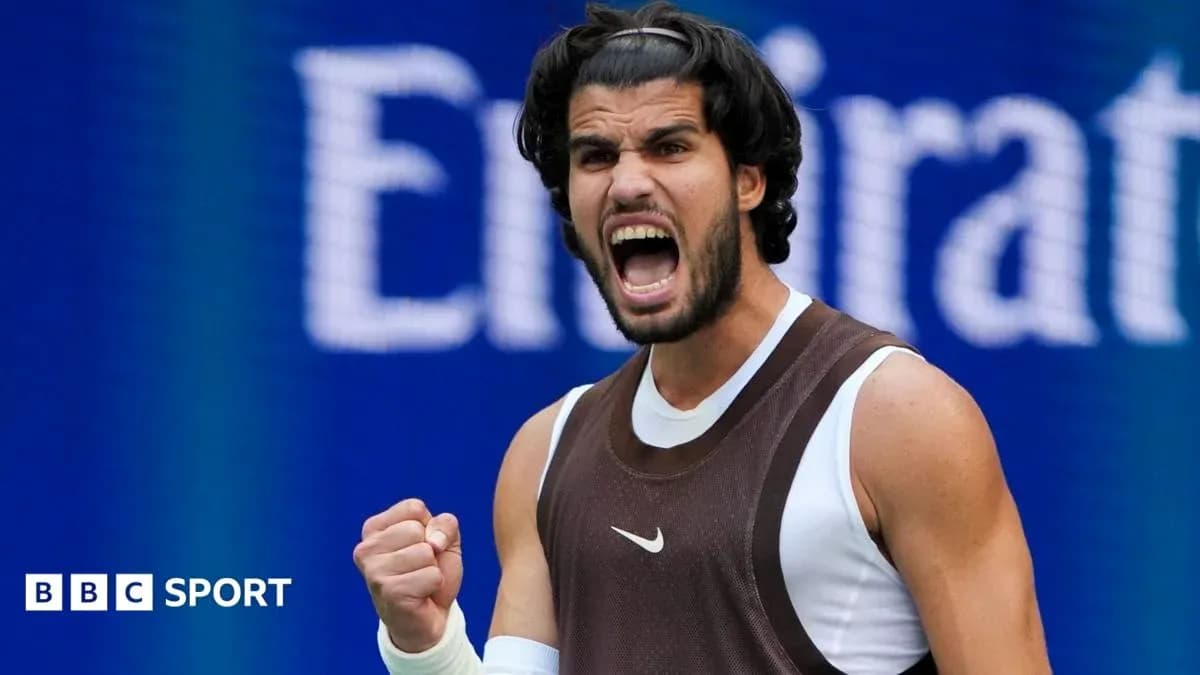
Carlos Alcaraz is back on Arthur Ashe Stadium, and the swagger is returning with him.
The defending US Open champion brushed aside Wu Yibing 6-3 6-4 6-1 to reach the fourth round in New York, then delivered the line every contender in the men’s draw did not want to hear: he feels better with every match.
This was supposed to be the tricky part of his comeback. A long lay-off, a fragile wrist, 139 days without a singles match before the first round. Yet three matches in, the 23-year-old looks less like a player testing his body and more like a man quietly accelerating towards top speed.
“I’m better than I thought,” Alcaraz admitted after spending two hours and 20 minutes dismantling Wu. The concern had been how his body would react to the workload. “Physically I thought I was going to be bad after the first match, but I am recovering really well. I am doing great things off the court to be in a good state.”
The evidence is on the court.
From rust to rhythm
His campaign opened with a straight-sets win that felt more like a fitness check than a statement. The second round, against Portugal’s Jaime Faria, brought a scare: a dropped first set, questions about sharpness, the sense of a champion still searching for timing.
That wobble did not linger.
Against Wu, Alcaraz tightened everything. The serve had more bite, the forehand more depth, the movement more familiar. He controlled the baseline, absorbed pace when he needed to, and then tore through rallies when he sensed weakness. The scoreline – 6-3 6-4 6-1 – reflects the pattern: competitive at first, then one-way traffic.
“Right now, I think my level is really good. I think I have caught the rhythm of the competition,” he said. “Every time that I step on the court I give it all. I'm just trying to improve, be better every match and I think I'm getting there.”
The momentum is real. So is the opportunity in front of him.
A draw opening up
On paper, this fortnight should have been defined by Jannik Sinner’s status as world number one and Alexander Zverev’s charge as French Open champion and Wimbledon runner-up. Instead, the landscape has tilted sharply in Alcaraz’s favour.
Sinner is not in New York, sidelined by injury. Zverev, now the top name in the men’s draw, has already been dragged into two five-set battles, both stretching until 2am. He leads the field but looks anything but fresh.
Alcaraz, seeded second, can only meet Zverev in the final. Between now and then, the list of potential obstacles has thinned out dramatically.
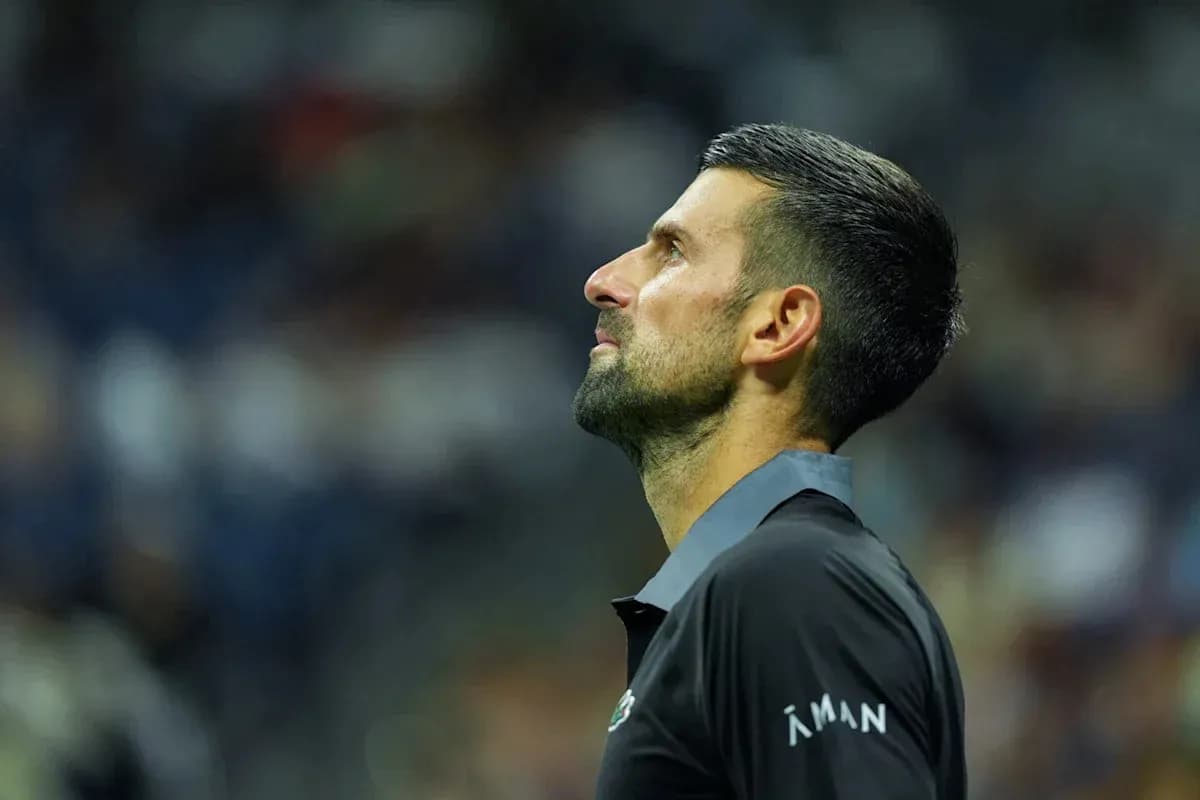
Novak Djokovic, the ever-present shadow at any major, is gone – stunned in the first round by Mariano Navone. Felix Auger-Aliassime, the third seed and another supposed heavyweight in this half of the draw, fell to Karen Khachanov in the second round.
The bracket tells its own story. As it stands, Ben Shelton is the only top-10 player Alcaraz can face before the semi-finals. The American eighth seed would bring noise, power and a partisan crowd, but the head-to-head is blunt: Alcaraz leads 3-0.
Then comes the name that always looms at hard-court majors – Daniil Medvedev. The seventh seed is the likely semi-final opponent and holds the tools to frustrate anyone on this surface. Alcaraz still owns the edge there as well, a 6-3 lead in their meetings, though Medvedev reminded him of his danger with a win at Indian Wells in March.
On the opposite side of the draw, Zverev’s path is far less forgiving. Taylor Fritz waits as the home hope with a booming serve and a crowd at his back. Flavio Cobolli, the Italian who reached the French Open final, lurks as another threat on a stage where his confidence has grown quickly.
A champion sensing his chance
Strip away the rankings and the seedings, and the picture is simple. Alcaraz is healthy, winning, and growing sharper with each round. His wrist, the great unknown when he arrived, no longer dominates the conversation. His tennis does.
The Spaniard already owns seven major titles. The hunt for number eight has started in relative silence, almost overshadowed by withdrawals, upsets and late-night marathons elsewhere in the draw.
That silence will not last if he keeps playing like this.
Next comes Tommy Paul, the American 20th seed and a familiar opponent. Alcaraz has beaten him six times in a row. History leans heavily in his favour, but so does the way he is talking and moving this week.
He wanted rhythm. He has it now. The question for the rest of the field is whether anyone left in New York can disrupt it before he reaches the finish line again.