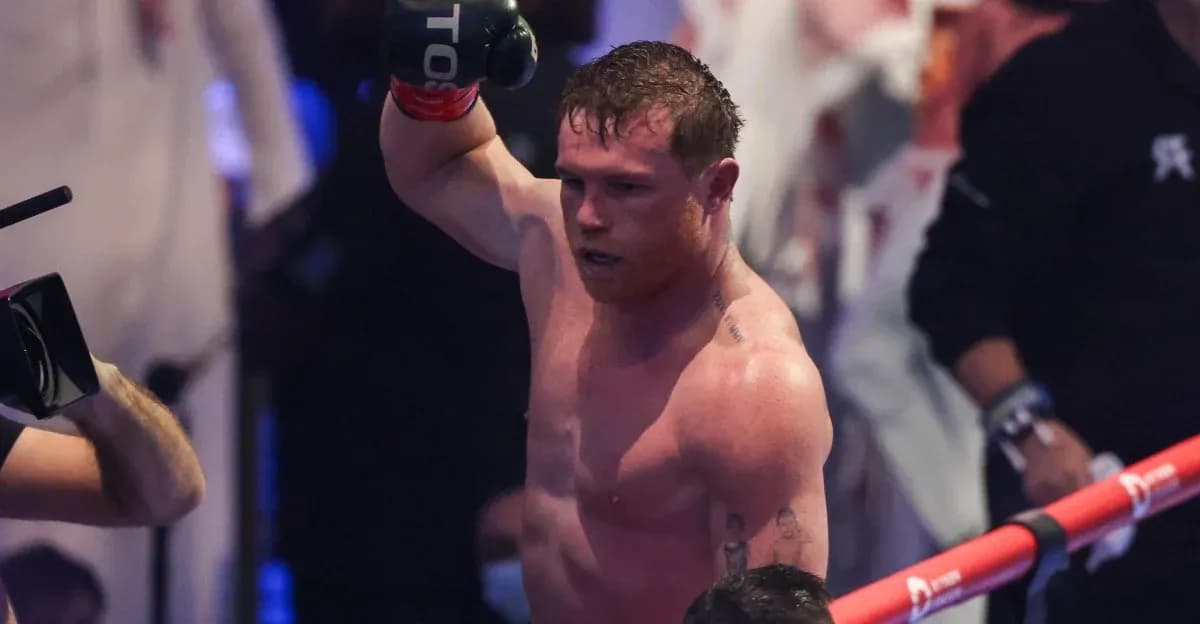
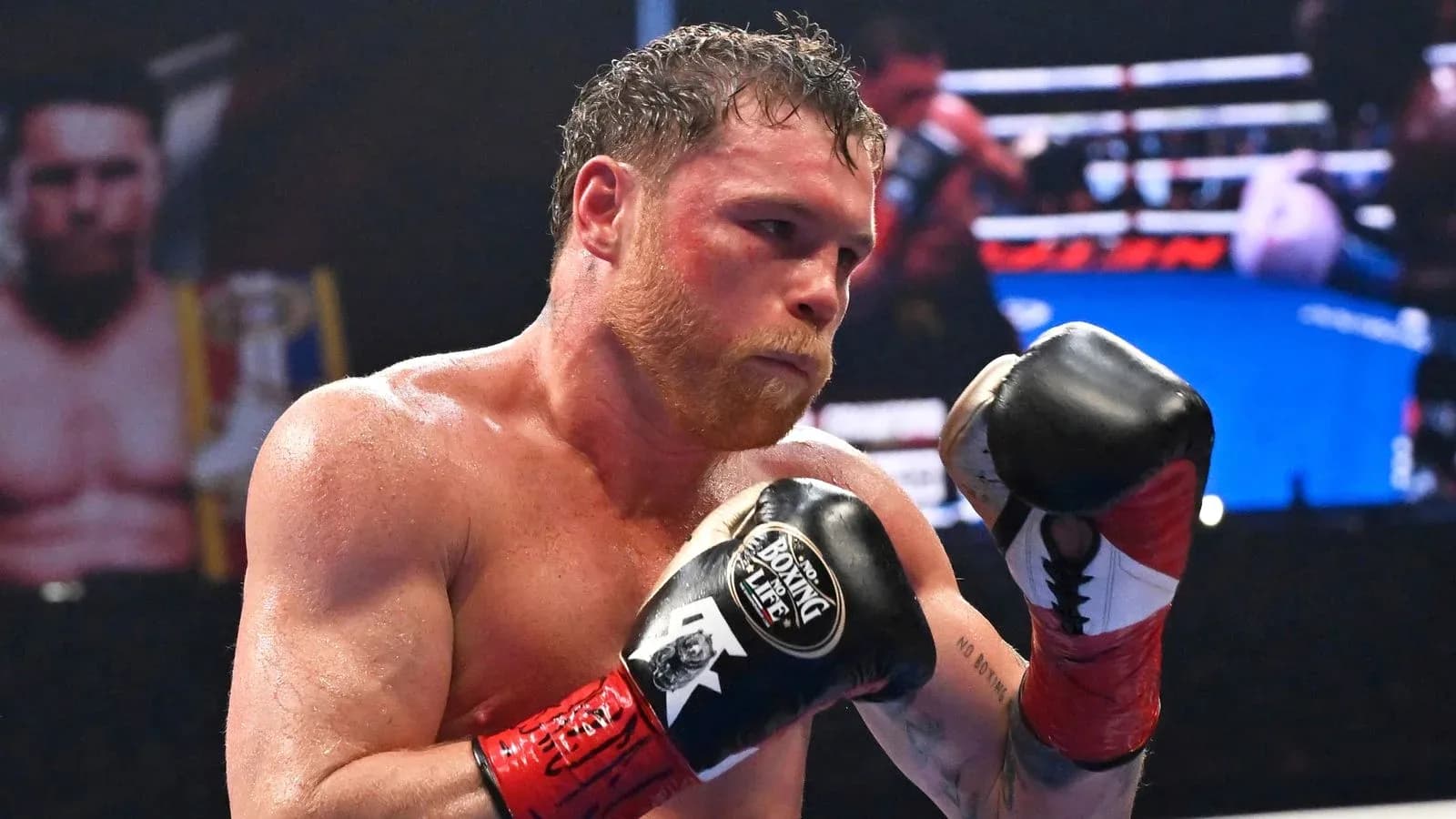
Canelo Alvarez Reclaims WBC Title in Riyadh
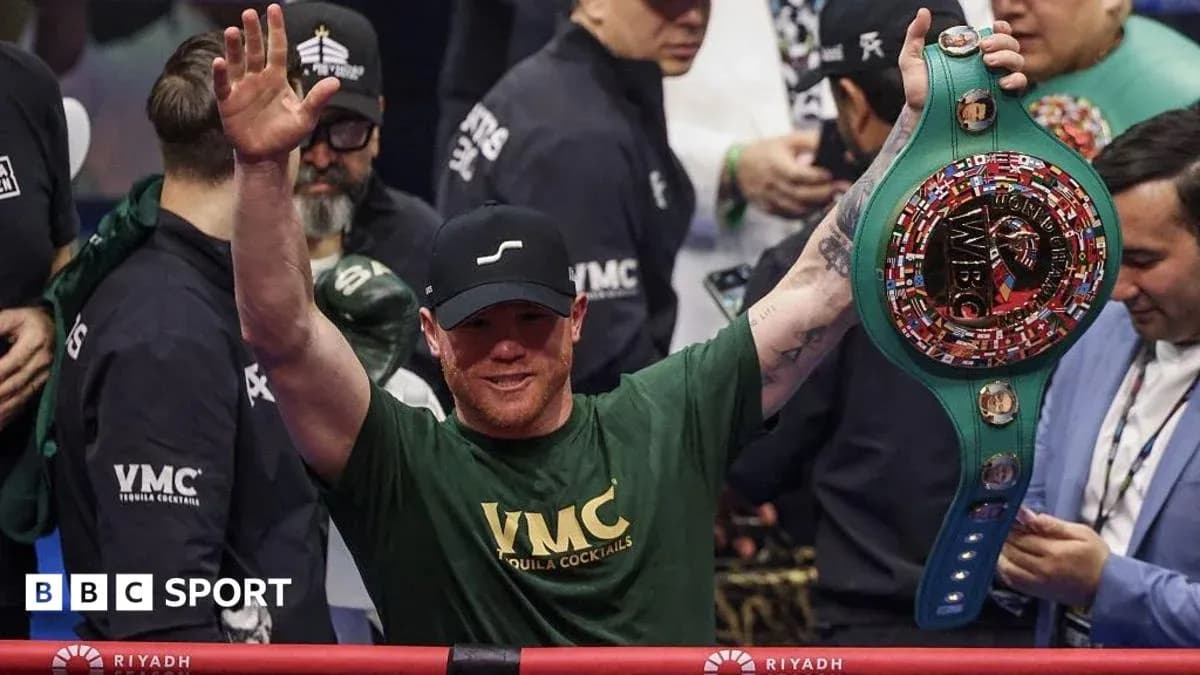
Saul “Canelo” Alvarez walked back into his old kingdom in Riyadh and took his crown like a man who never believed it belonged to anyone else.
Under the lights and amid the tension of a city on edge, the Mexican great reclaimed the WBC super-middleweight title with a composed, ruthless dismantling of Christian Mbilli, winning by unanimous decision and silencing the talk that his time at the top had passed.
A champion answers the question
For more than a year, the narrative around Alvarez had shifted. The defeat to Terence Crawford, the loss of his belts, the long absence from the ring – they all fed into the same question: was this the beginning of the end?
On his 69th professional outing, at 36, Alvarez answered with his gloves.
The scorecards told the story of control and authority: 115–112, 116–111, 117–110. Mbilli, unbeaten in 31 going in, left with his first professional loss and the bruising realisation of what elite truly looks like.
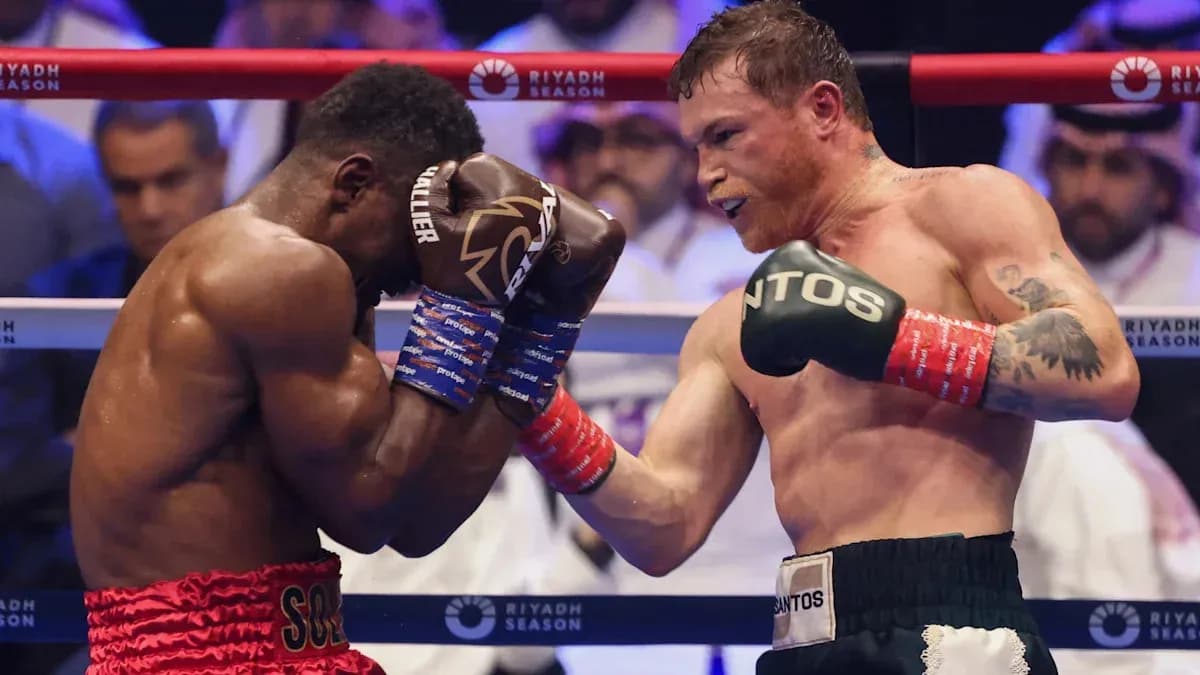
This was Canelo in familiar, frightening rhythm. Slick upper-body movement, those subtle slips and rolls that make punches skim air. The counters, sharp and mean, punishing every overreach. He didn’t rush, didn’t chase. He let Mbilli work, then made him pay.
It was win number 64 for the four-weight world champion. Another line in a career that already reads like a history book.
Mbilli brings the heat, Canelo brings the answers
Mbilli, Cameroon-born and Canada-based, came to Riyadh as the newly elevated WBC champion, making his first defence. He fought like a man determined to prove he belonged.
Early on, he did what challengers – in name only – are supposed to do. He pressed. He crowded Alvarez on the ropes, let his hands go, tried to turn the night into a test of will and volume. The champion in all but name soaked it up.
Alvarez leaned back, rolled with shots, then shook his head as if brushing off an insult. A small smile here, a nod there. He invited Mbilli forward again, almost daring him to throw more.
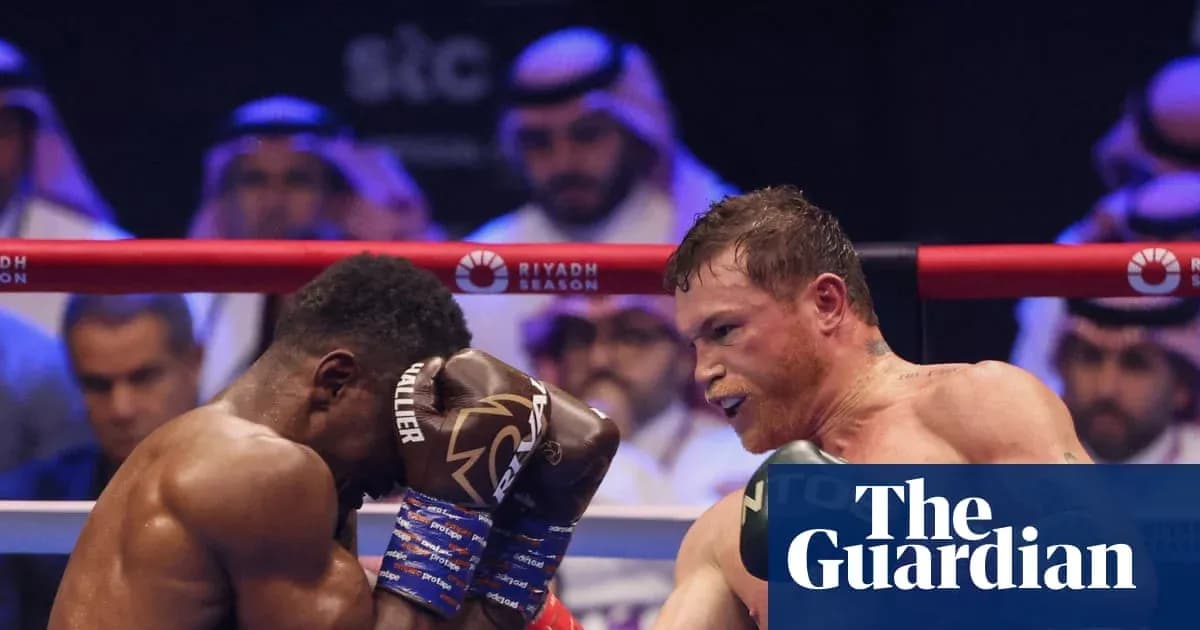
Mbilli obliged. He threw more punches. Alvarez landed the better ones.
By round six, the difference in class had a physical edge. Canelo started to dig in with the right uppercut, snapping Mbilli’s head back with a couple of vicious, clean shots. Every time Mbilli surged, Alvarez met him with something heavier, something sharper.
The pattern hardened. Mbilli busy, Alvarez brutal.
Control, discipline and a slow suffocation
As the middle rounds unfolded, the fight settled into Canelo’s preferred tempo. Mbilli kept walking forward, but the menace began to drain from his attacks. His output remained high; his effectiveness did not.
Alvarez’s defence and timing smothered the champion’s ambition. He picked his counters, pivoted off the line, made Mbilli reset again and again. When the Canadian-based fighter did find a way through, the shots rarely came in clean combinations.
Then came another blow for Mbilli – this one from the referee. Repeated shots to the back of the head cost him a point, widening a gap on the cards that already looked ominous.
From there, Alvarez cruised. Not coasting, but commanding. He managed the space, the distance, the risk. Mbilli kept pressing, admirable in his refusal to fold, but his attacks bounced off a defence that looked as sharp as it has in years.
Even in the closing stages, when Mbilli finally landed a couple of stinging right hands, Alvarez barely blinked. The challenger’s late success felt more like defiance than danger.
A title regained in a troubled city
All of this unfolded in a city where sport and geopolitics now share the same air.
In the days leading up to the fight, doubts swirled over whether it would even go ahead. Saudi authorities reported intercepting ballistic missiles over Riyadh just 48 hours before the opening bell. Earlier in October, a missile strike on King Khalid International Airport killed 13 people and injured more than 300.
Other major events in the country – The Six Kings Slam tennis exhibition, the final round of the 2026 World Rally Championship, the 2026 Urban Cycling World Championships – fell away under the pressure of the growing conflict between Saudi Arabia and Yemen’s Houthi movement.
Combat sports did not. The ring stayed up. The show went on.
Inside that ring, Alvarez fought for something more personal: restoration of status, of legacy, of self.
“Like my first title”
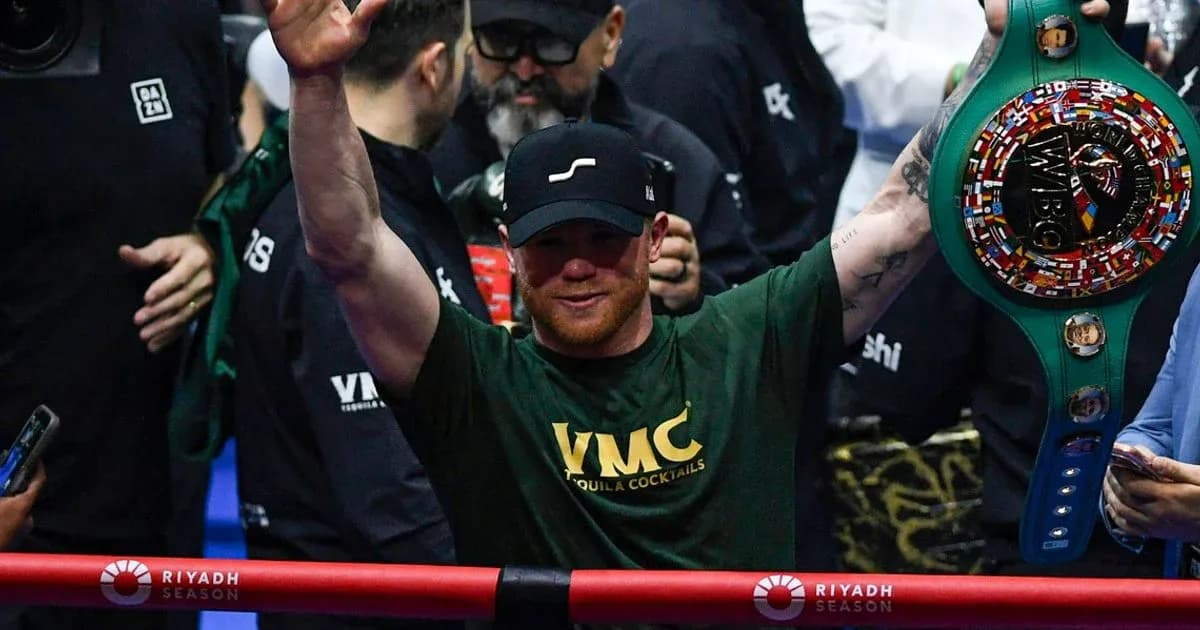
When it was over, when the belt was back on his shoulder and the questions about decline had been pushed aside, Alvarez struggled to frame the moment.
“It's so difficult to explain,” he said. “It's something unbelievable, this feeling. Like my first title. Thirty-one years as a professional. Sixteen years ago, I won my first title. Now, I won the title again. I'm so proud.”
The numbers were slightly tangled, the emotion was not. This was a veteran who had been stripped of his aura and had just taken it back.
This was also his first fight since 2015 without a world title attached to his name. That detail alone underlined how unfamiliar the past year had been for him – and how natural the belt now looked back around his waist.
What comes next?
Alvarez, typically, refused to be drawn into naming his next opponent. No call-outs, no shopping list of rivals. Just a nod to what keeps him here, still relevant, still dangerous.
“I'm going to rest. I'm going to keep learning. I'm going to keep working hard,” he said. “And right now I'm going to be a couple of weeks off and then come back.”
No grand declarations. Just the promise of another camp, another night, another defence.
On a tense evening in Riyadh, with missiles in the news and cancellations across the sporting calendar, Canelo Alvarez stepped into uncertainty and made one thing feel very clear.
At super-middleweight, the old king still knows exactly how to rule.