Canelo Alvarez Reclaims Super-Middleweight Title
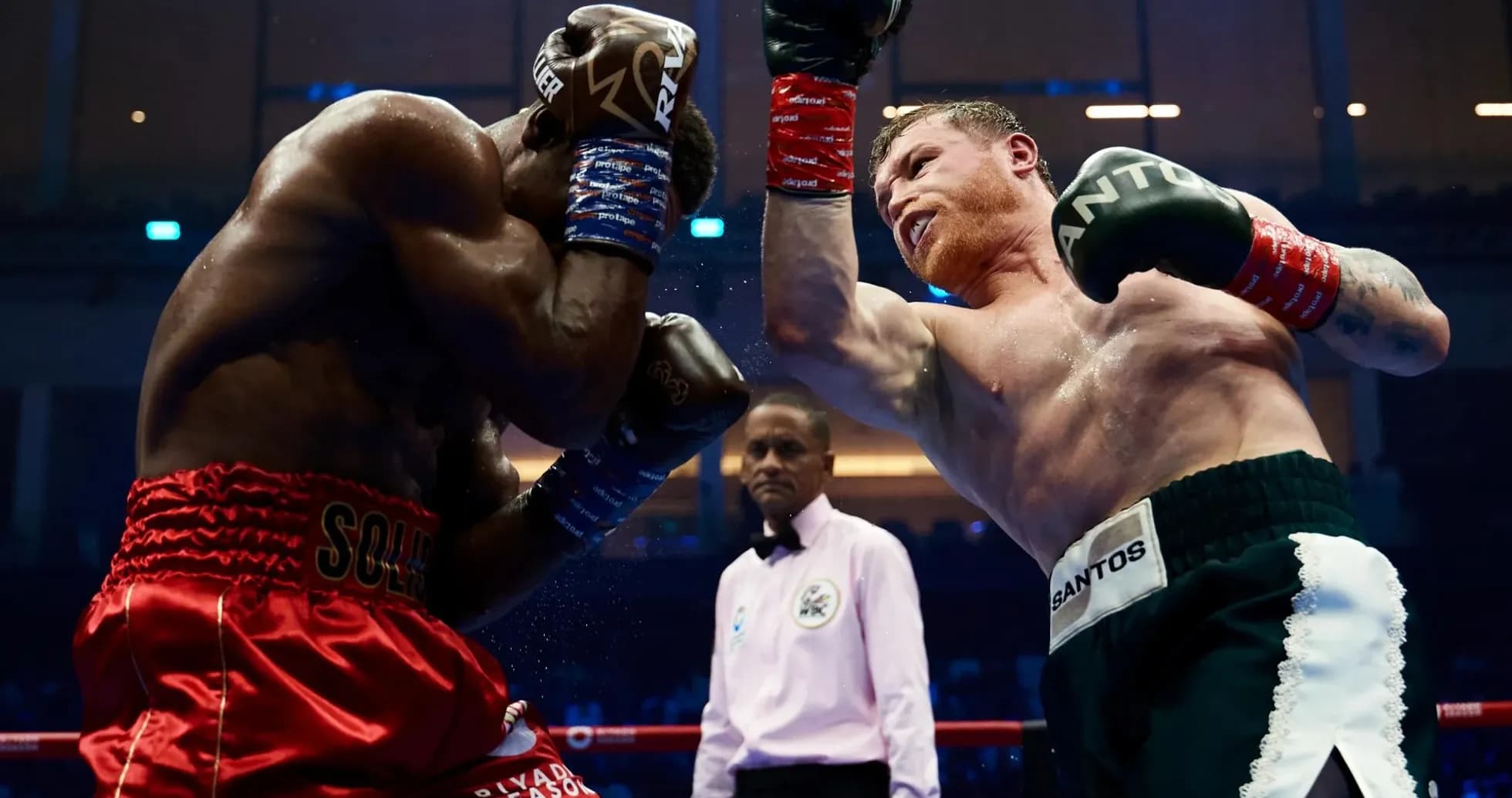
Under the Riyadh lights and against a backdrop of doubt, Saul “Canelo” Alvarez quietly took his place back on the throne at 168lbs.
No drama on the scorecards. No late ambush. Just a measured, ruthless dismantling of Christian Mbilli, a fighter many believed might finally be too fresh, too strong, too relentless for a Canelo whose aura had been dented by defeat to Terence Crawford.
By the final bell, there was no argument.
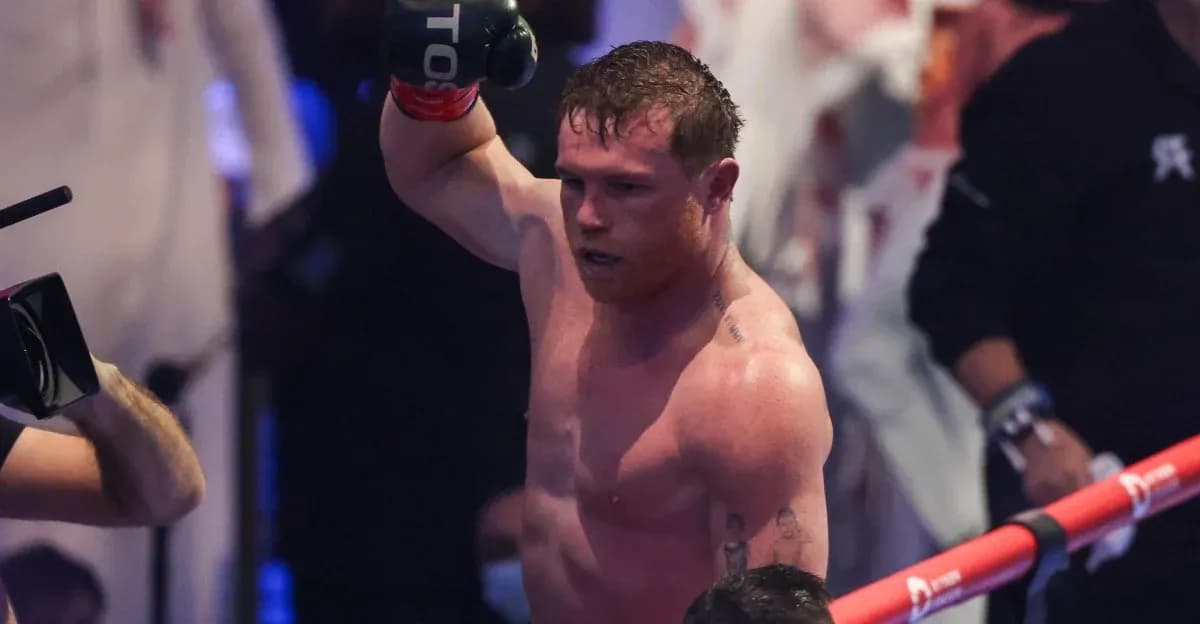
Alvarez became a three-time super-middleweight world champion with a unanimous decision win, reclaiming the WBC title with scores of 115-112, 116-111 and 117-110. A legend, restored.
A Chess Match in the Desert
From the opening bell, this was Canelo in pure technician mode.
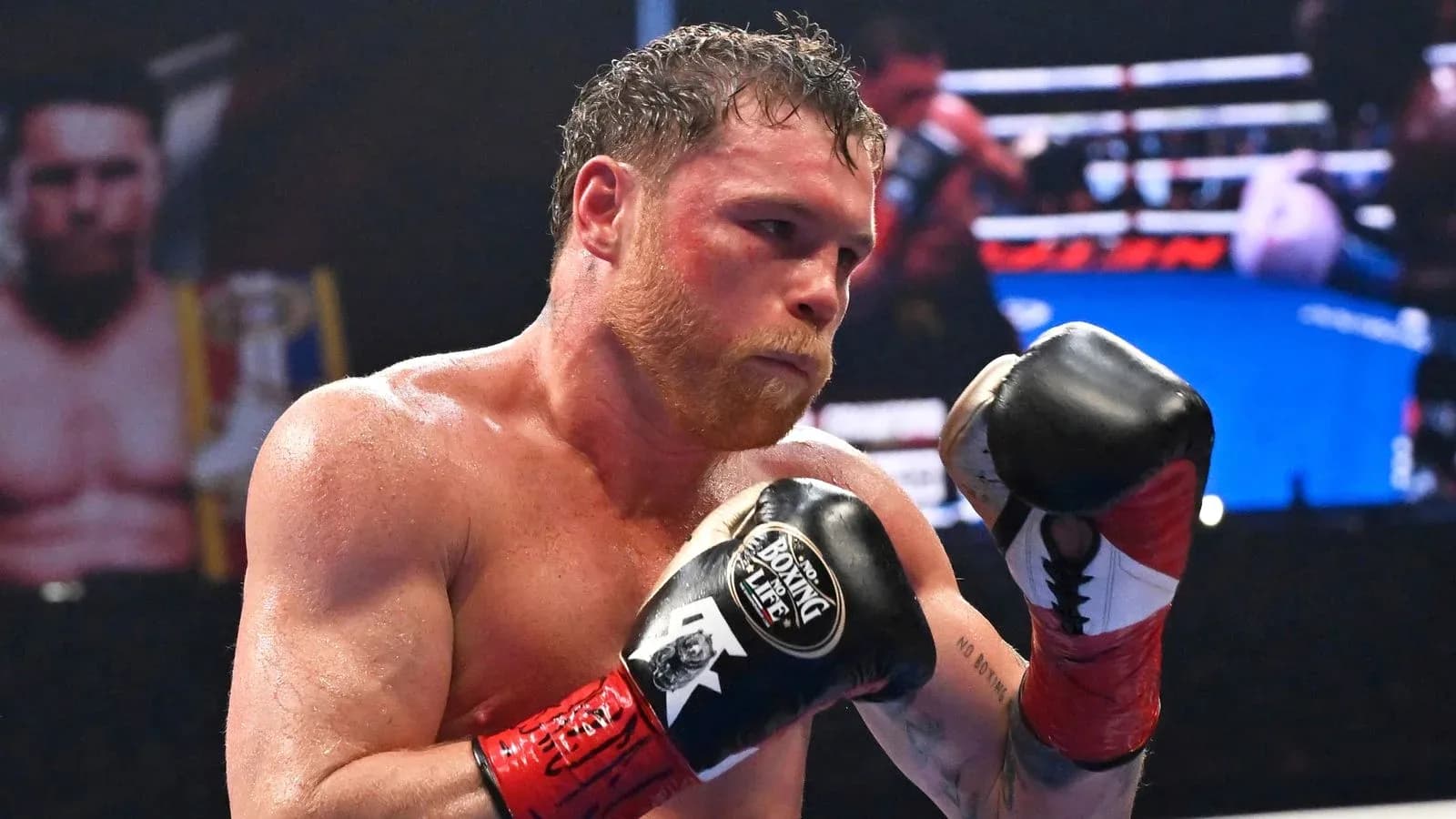
He planted his feet early, jab sharp, eyes locked, daring Mbilli to overreach. The Frenchman, draped in his flag on the walk-in and full of intent, tried to do exactly what he does best: march forward, throw volume, back his man up.
It didn’t work.
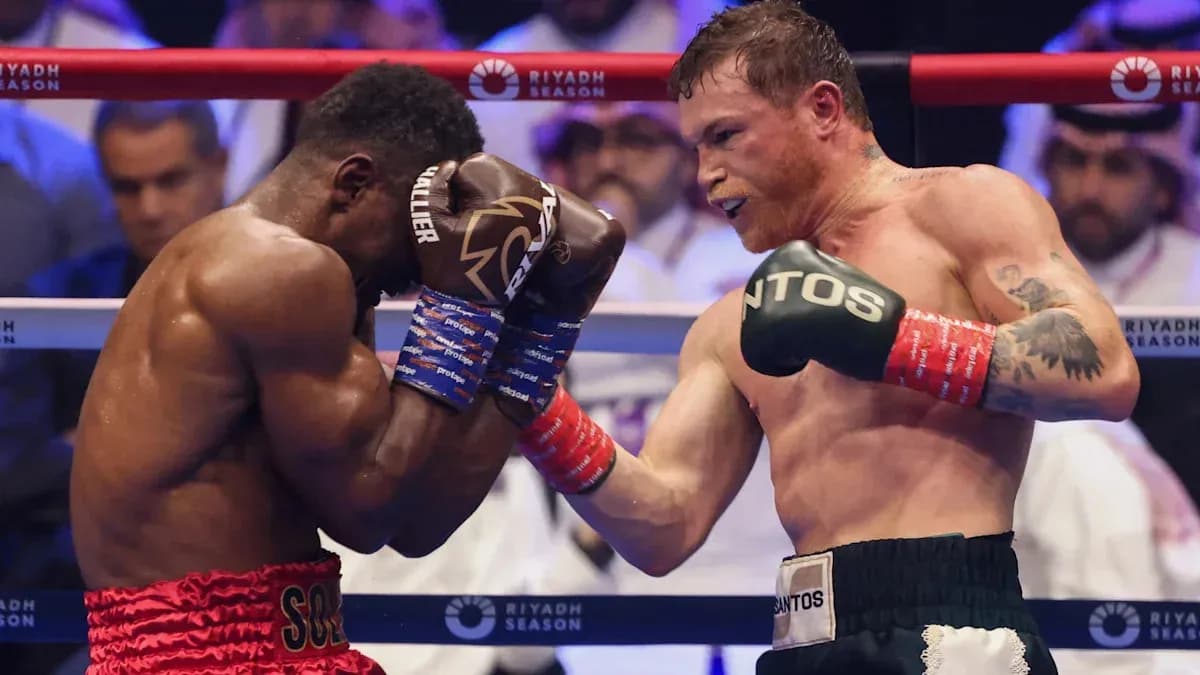
Round one set the tone. Mbilli pressed, Canelo barely moved from center ring, picking his spots and punishing any reckless entry. The Mexican’s jab snapped out clean, his guard tight, his timing already a problem Mbilli couldn’t quite solve.
In the second, the champion finally found a moment. A straight shot down the middle caught Canelo’s attention as he leaned in, a reminder that Mbilli carries real power and menace. The Frenchman started to close the distance, to touch Canelo more often, to test that famed chin.
But every success came at a price. A sharp left to the body from Canelo answered the best of Mbilli’s work, and the tempo climbed. The pattern was clear: Mbilli would step in heavy, Canelo would make him miss just enough, then make him pay.
Cat-and-Mouse, Then Control
By the third and fourth, the fight had settled into a tactical duel. Canelo dropped back, almost inviting Mbilli onto him, trying to draw out the over-committed attacks he loves to counter.
Mbilli kept throwing. He tried to back Alvarez to the ropes, tried to rough him up, tried to win the judges with activity. Canelo, though, remained that fraction more accurate. Cleaner. Colder.
At the end of the fourth, Mbilli let his hands go, pushing Alvarez into the corner, showing he wasn’t overawed by the name in front of him. It was competitive, awkward to score, a clash of volume versus precision.
Then Canelo shifted gears.
Round six brought a noticeable change. Alvarez unloaded a combination that drew a gasp from the crowd, the first real surge of noise from an audience that had been watching a high-level chess match. He upped his work rate, stepped in behind the jab and right hand, and began to dictate not just where the exchanges happened, but when.
Mbilli still came, still worked behind his straight shots, but Canelo’s counters started to land more frequently, more cleanly. The Mexican wasn’t just surviving pressure; he was bending it to his will.
Round seven may have been the turning point in tone. Alvarez found a rhythm, gliding in and out of range, setting traps. A textbook uppercut snapped Mbilli’s head back and drew a wry smile from the champion, but smiles don’t erase impact. It was Canelo’s best round to that point, and it looked like he knew it.
The Point That Changed Everything
Then came the controversy.
In the eighth, Canelo boxed smartly off the back foot, reading Mbilli’s now more predictable surges. The Frenchman still carried danger, but his attacks had begun to look one-dimensional. Alvarez, seeing more and more of the shots coming, adjusted his angles and timing.
And then the referee stepped in.
After a series of blows that appeared to land around the back of the head, Mbilli was docked a point. Alvarez immediately signalled it had happened three times. Mbilli shook his head in disbelief. Harsh? Many at ringside will say so. Crucial? Absolutely.
From that moment, the uphill became a mountain.
Alvarez sensed it. He raised his work rate again in the ninth, picking Mbilli off as he trudged forward. The Frenchman still tried to impose himself, still tried to bully, but Canelo’s counters were now flowing, his feet lighter, his judgment razor sharp. The challenger-turned-hunter was now clearly in control.
Mbilli Runs Out of Ideas
By the tenth, the picture was stark.
Mbilli looked tired. The relentless march that had broken so many opponents before now lacked conviction. His feet were slower, his entries more obvious. He needed a big moment, maybe even a stoppage, but his attacks were all in front of Canelo, easy to read, easy to block, easy to parry.
Canelo, by contrast, looked comfortable. He slipped in and out of range, picked his shots, and refused to give Mbilli the kind of wild exchange that could flip everything.
Round eleven only deepened the sense of inevitability. Mbilli needed a knockout. Not just a big punch, but something spectacular, something he had never come close to landing all night. Alvarez, who has never been knocked down in his professional career, never looked remotely close to going over.
He boxed neatly, countered cleanly, and watched Mbilli stumble in, still brave, still trying, but now running purely on grit.
Championship Rounds, Championship Poise
The twelfth was about legacy.
Canelo had the fight in his hands, but he wanted to finish like a champion, not just a survivor. He waved Mbilli in, inviting the Frenchman to empty the tank. The two finally traded more openly, toe-to-toe in bursts, the crowd roaring at the sight of the old Canelo swagger returning.
Mbilli found a big shot late that drew a gasp, a reminder of the danger that had always been there. It came too late. He tried to pour it on in the final moments, but Alvarez met fire with composure, not chaos.
The bell rang. The job was done.
The scorecards confirmed what the ring had already told everyone watching: Alvarez had outboxed, outthought and outlasted a dangerous, younger champion to reclaim his place at the top of the super-middleweight division.
“This Is Something Unbelievable”
In the ring, Canelo allowed the emotion to surface.
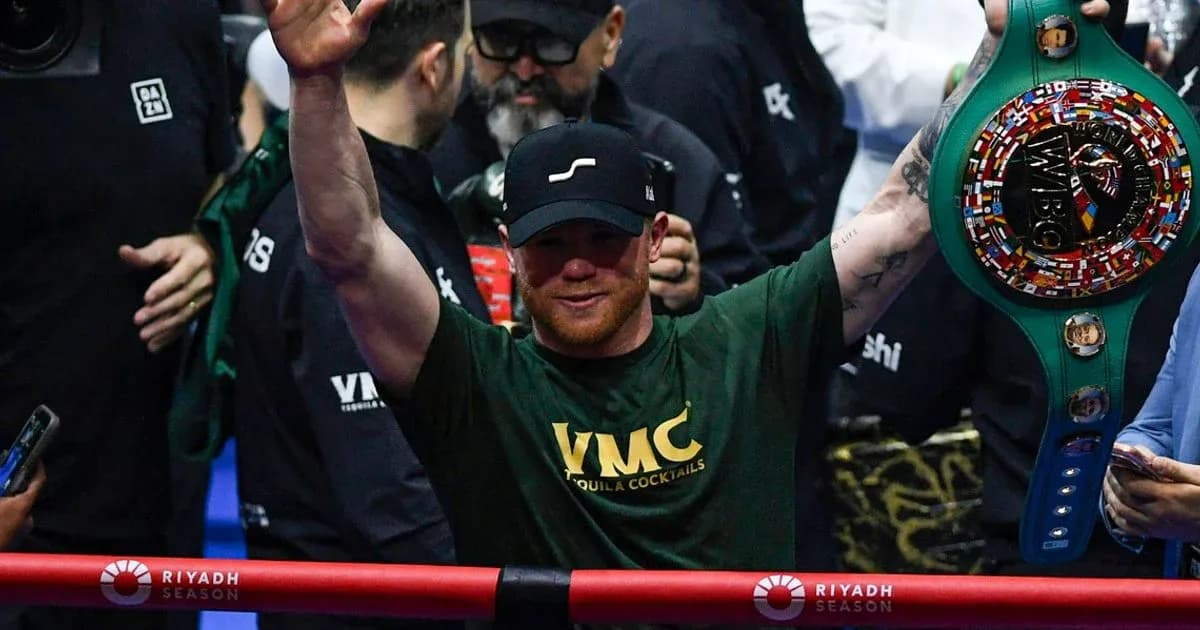
“It is so difficult to explain, this is something unbelievable,” he said, the belt back on his shoulder. “It feels like my dream, now I’ve won the title again. I’m so proud of my team. Eddy Reynoso made me the champion that I am, thank you so much for everything.”
He praised Mbilli’s strength, but with a telling caveat: “I knew he was a strong fighter, but he didn’t throw a lot of punches because it is difficult to throw punches with me.”
It was a simple line, but it summed up the night. Mbilli came to overwhelm. Canelo made him hesitate.
As Oleksandr Usyk and Turki Alalshikh stepped through the ropes to congratulate him, the picture was complete: a global superstar, written off by some after losing to Crawford, standing once more as a three-time super-middleweight world champion in a booming Saudi boxing scene.
Asked what comes next, Alvarez kept it straightforward. Rest first. “I’m going to have a rest, take a couple of weeks off and then we will come back again.”
The belt is back where he believes it belongs. The questions now move elsewhere: who dares to try and take it from him?