.svg&w=384&q=75 "logo")
Bournemouth's Historic European Debut: A Miraculous Victory
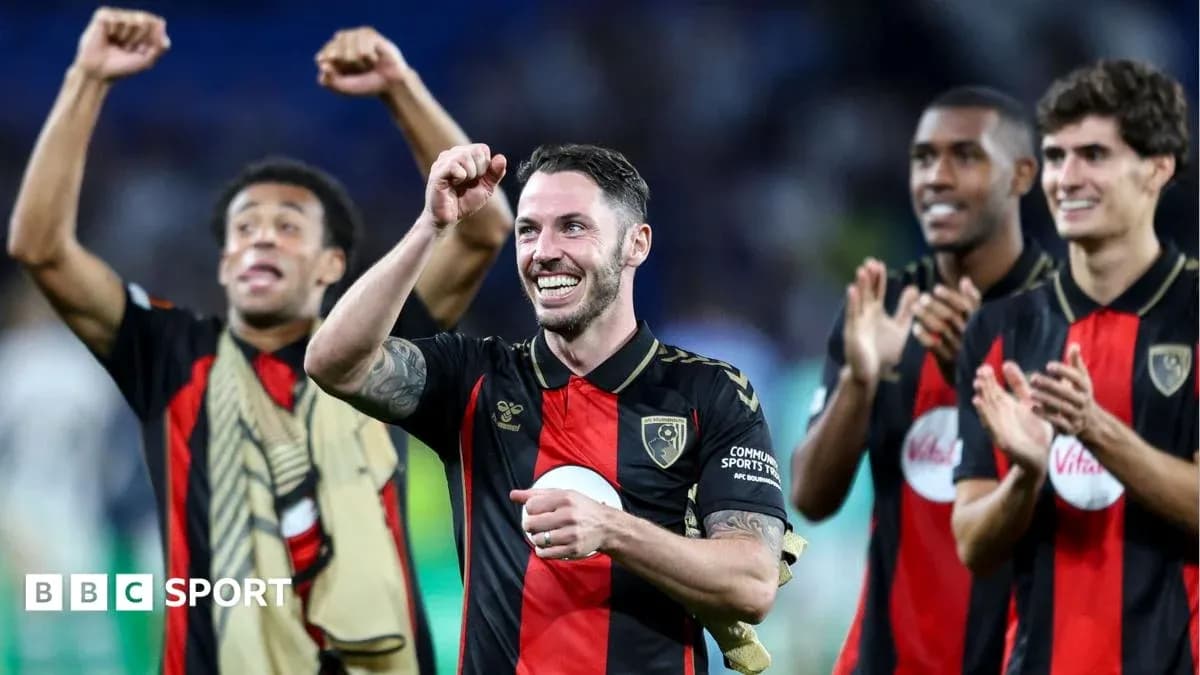
“From -17 to Europe,” declared the flag in the away end at the Anoeta, a scrap of fabric that read like a novel.
On a night when Bournemouth finally walked out in major European competition for the first time in their 127-year history, that banner did all the explaining. This club was not supposed to be here. Not in San Sebastian. Not bullying a Copa del Rey-winning Real Sociedad on their own turf. Not winning 2-1.
Yet they did.
A debut that felt nothing like a debut
For a generation of Bournemouth fans, the Premier League is all they’ve ever really known. Eleven years in the top flight has normalised what once felt like fantasy. So qualifying for Europe might, to some, look like the next logical step for a smart, ambitious club.
It didn’t feel logical in the away end. It felt miraculous.
“It’s a brilliant win in our first European game. It’s brilliant for the club and the 2,000 fans from Bournemouth,” Marco Rose told TNT Sports, his voice cutting through the Basque night.
This wasn’t a plucky tourist performance. It was a proper European away display, the kind English clubs with far grander histories sometimes fail to produce. Against a Sociedad side led by World Cup winner Mikel Oyarzabal and fresh from beating Atletico Madrid to lift the Copa del Rey last season, Bournemouth owned the first half.
They pressed high, hunted in packs, and suffocated the hosts. Time and again they won the ball back in advanced areas. When Real Sociedad did manage to set their defensive block, Bournemouth still found ways to play through them. There was swagger as well as sweat.
At the heart of it, Alex Scott. A £100m-rated midfielder in some quarters, he glided around San Sebastian as if this were his regular Thursday night. Every touch added a few more zeroes to his valuation. Every angled pass hinted at why the Premier League’s elite are circling.
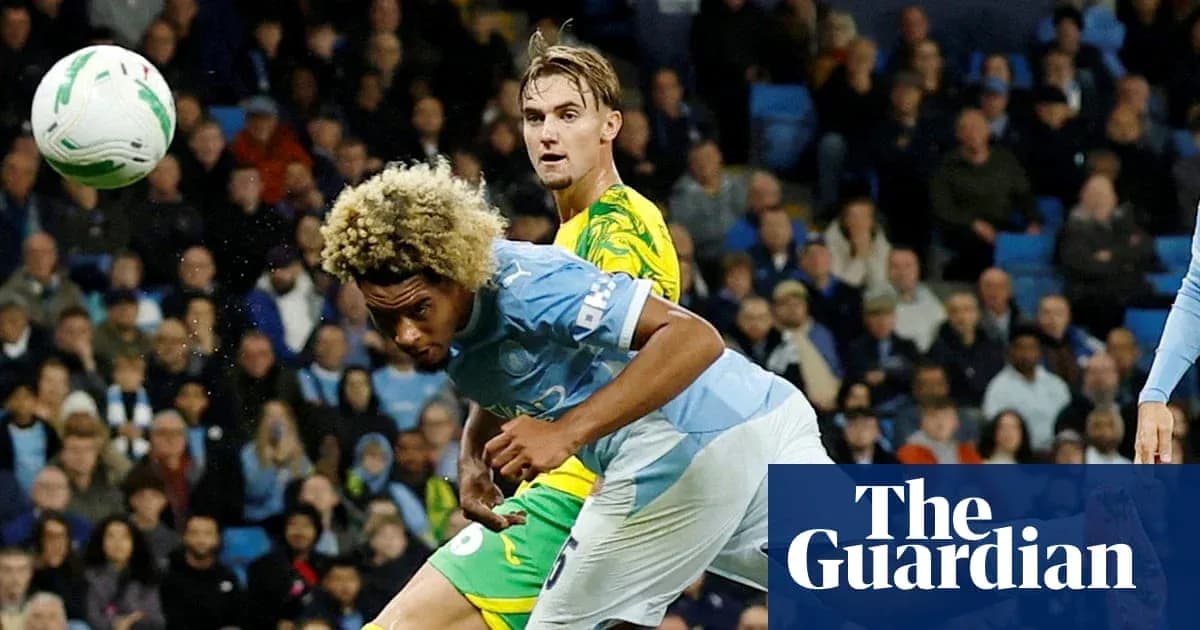
And then there was Rayan. The Brazil winger, picked out to head Bournemouth to victory in Europe – a sentence that would have belonged in science fiction when the club was scrapping for its very existence – showed again why the Cherries will insist on every penny of a reported £130m release clause.
When the tide turned
Of course, Real Sociedad were never going to lie down in their own stadium. Poor as they were in that opening 45 minutes, there is a hardened edge to this Basque side. The reaction after the break felt inevitable.
The tempo shifted. The noise rose. Bournemouth’s adrenaline-fuelled first-half surge began to fade. Legs grew heavier, distances a little longer, decisions a touch slower. The game tilted.
This is where old habits might have haunted them. Bournemouth are not renowned for defensive resilience. Leads have slipped away in each of their first four Premier League games this season. With every Sociedad attack, that history hovered over them.
But the collapse never came.
Djordje Petrovic stood tall, his sharp reflexes turning growing anxiety into defiance. Blocks were made, clearances thumped into the Spanish night, and every tackle carried the weight of a club refusing to let this chance pass.
“It was very intense and tough,” Rose admitted. “Brilliant first half in everything. The way we won balls and the possession high up. In the second half, we needed to suffer because we were not so sharp.”
They suffered. They held. They won.
Former Bournemouth full-back Charlie Daniels, on BBC Radio Solent, understood the scale of it. “It is a big occasion. A big moment for the club, and they should be applauded for it,” he said, sounding more like a proud relative than a pundit.
From the brink to the big time
To grasp the depth of this night, you have to rewind. Eighteen years ago, Bournemouth were staring into the abyss.
Administration brought a 10-point deduction and relegation to League Two. Survival in the Football League for the 2008-09 season came at a brutal price: a 17-point deduction and an agreement not to appeal, after the club failed to meet the terms for exiting administration.
“From -17 to Europe” isn’t just a catchy slogan. It’s a scar, stitched into cloth.
Back then, the notion of a £100m midfielder and a Brazil winger combining to win a European tie was beyond absurd. Bournemouth were fighting for their very existence, not a foothold on the continent.
The turning point arrived in January 2009 with the appointment of Eddie Howe. A young, untested manager, he walked into a crisis and walked out a saviour. Bournemouth stayed up, finishing nine points clear of relegation despite that 17-point handicap.
Six and a half years later, in his second spell in charge, Howe had dragged a transformed club all the way to the Premier League. The climb was relentless, improbable, and utterly intoxicating.
The captain who lived it all
So it felt right that on this latest landmark night, the team was led out by someone who had been there for almost all of it.
Adam Smith first arrived on loan in 2010-11, returned permanently in 2014, and never really left. Nearly 400 league appearances later, he walked out in San Sebastian as Bournemouth captain, the embodiment of the journey.
“Adam has been with the club for so long,” Daniels said. “Dedicated himself to the club, and it’s such a proud moment, not only for him, but for his family, his team-mates and old team-mates to see how he’s grown – not only as a player but as a man as well.
“To lead out the Cherries on this historical night is fantastic.”
Smith added another line to the record books. At 35 years and 141 days, he became the oldest English outfielder to make his debut in major European competition since Ipswich’s Reginald Pickett in 1962. A stat that sounds niche, until you see the emotion on his face and realise what it means.
Few understand better than Smith how fragile this all once was, how far the club has travelled, and how easily it could have gone the other way.
The battle never really stops
Even the recent years have not been smooth. Relegation in 2020. The grind of returning. The constant task of rebuilding as bigger clubs circle their best players each summer, picking off the talent that made the previous season possible.
They have become a selling club with European ambitions, a delicate balancing act played out in every transfer window.
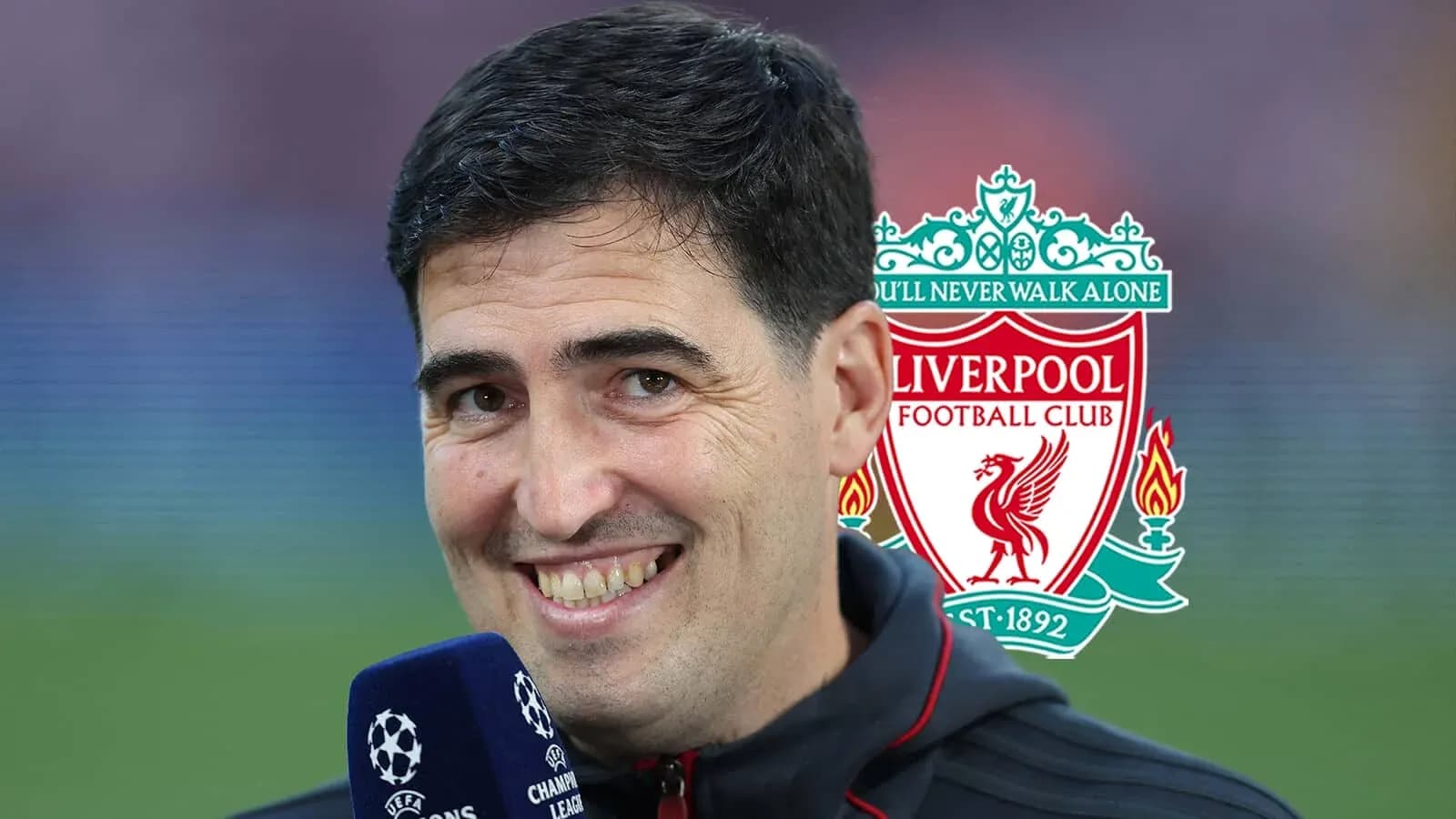
Not even European qualification could keep hold of Andoni Iraola, the coach who helped steer Bournemouth to this stage. He returns to the Vitality Stadium with Liverpool on Sunday, a reminder that progress at this level is rarely linear and never secure.
The pattern is unlikely to change. Managers will leave. Players will be sold. Squads will be rebuilt again and again.
But nights like this change how a club feels about itself. They alter the way a fanbase dreams. They convince players that Bournemouth is not just a stepping stone, but a place where careers can be defined, not just launched.
For those who remember the bucket collections, the points deductions, the fear of dropping out of the league entirely, this is the payoff. For the younger fans who think this is normal, it is a warning to savour it.
They’ve seen enough to know: these are the good times. The only question now is how far this European story can run.