.svg&w=384&q=75 "logo")
BCCI Enhances Fitness Protocols Amid Late Player Withdrawals
The Board of Control for Cricket in India has quietly changed gears. Selection is no longer just about runs, wickets and reputation. It is about medical charts, rehab timelines and the hard question: can this player actually get through a series?
Burned by a string of last-minute withdrawals, the BCCI, its selection committee and the Centre of Excellence headed by VVS Laxman have moved to a far more cautious, almost clinical, clearance process before a player is declared available for India duty.
They want certainty. Or as one source put it, “Not just 100 per cent, but 200 per cent confident” about a player’s availability before his name goes out in a squad list.
Harshit Rana, and a turning point
The shift has not come out of thin air. Harshit Rana’s case has become the internal cautionary tale.
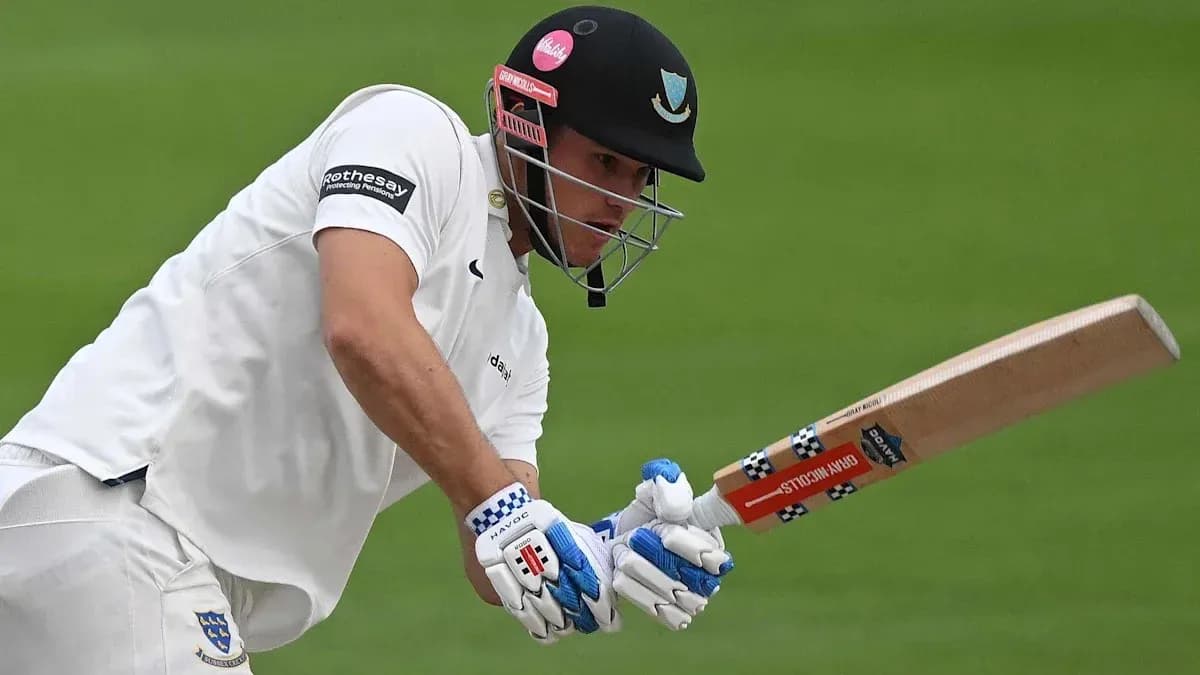
After a five-month layoff, the fast bowler finally returned to the national frame in June, picked for the Ireland and England tours. It was meant to be a fresh start. Within two weeks, it had turned into another setback. Rana couldn’t complete the England leg and had to be flown back, with Prince Yadav drafted in as a replacement.
One selection meeting, one press release, and then a scramble. The kind of scramble the BCCI no longer wants to see.
Rana is not alone. Jasprit Bumrah and Sai Sudharsan were both named for the Sri Lanka Tests, only to be replaced by Auqib Nabi and Sarfaraz Khan. Suryansh Shedge came in at the last minute for Nitish Kumar Reddy for the Ireland and England tour. Varun Chakaravarthy was swapped out for Ravi Bishnoi on the eve of the Zimbabwe series.
Different players, different injuries, same pattern: pick, then pull out.
Conditional selections and clear labels
After enough of these episodes, the CoE has drawn a firmer line. Players returning from injury or still in rehabilitation now carry an asterisk, literally and figuratively.
Recent squads have included “conditional” selections – players named, but with a clear note that they will only be released to the team once they clear final fitness tests. The T20I squad for Afghanistan, announced on Tuesday, underlined that shift.
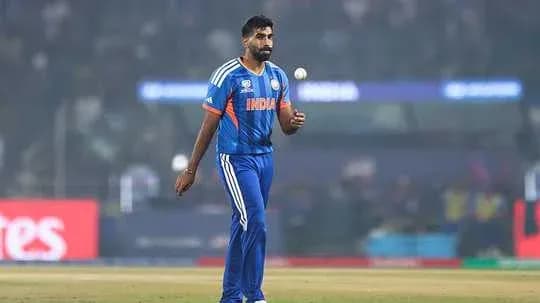
Bumrah, Washington Sundar, Nitish Reddy and Rana were all listed as subject to fitness. Their names are there, but with a built-in safety valve.
Laxman has framed this not as secrecy, but the opposite.
“They (players) understand that they're not yet ready to participate in the national series,” he said in a recent media interaction, stressing that the process remains “player-centric and team-centric”. According to him, the communication channels are open, the medical information shared, and the expectations clear.
He pointed to the wording of the squad announcements as deliberate. When a player is marked “subject to fitness”, the selectors already know the contingency plan.
“If they don't clear the fitness test, the selectors will know who are the other players who will go in their place,” Laxman said. “I mean, it's basic common sense.”
The message is blunt: no more scrambling on the eve of departure, no more hurried replacements because someone broke down exactly when the team needed him most.
Timing the call
BCCI secretary Devajit Saikia lifted the lid on the mechanics behind this new approach. Selection meetings, he explained, usually take place three to four weeks before the team actually leaves.
That gap is crucial.
A player might not be fully fit on the day of selection, but could be ready by the time the squad assembles or flies out. Outright rejecting him at the meeting would close the door too early; rubber-stamping him without conditions would be reckless.
“So if he gets picked within that period of 21 or 28 days, he will be taken into the team,” Saikia said, referring to those on rehab programmes. The asterisk gives selectors room to acknowledge current reality – “on that day he is not fit” – while still allowing for a clean return if rehab stays on track.
It is a compromise between caution and opportunity, written into the squad sheet.
Bumrah, Reddy and the Afghanistan series
All of this lands directly on the upcoming three-match T20I series against Afghanistan, starting September 13 in New Delhi.
On paper, Bumrah’s name carries an asterisk. Behind the scenes, there is confidence he will be available. Those familiar with the situation indicate the selectors expect him to be ready for the full series, even as the policy demands that formal clearance only comes after he passes the final tests.
The same guarded optimism surrounds Nitish Kumar Reddy. The all-rounder, sidelined by a quadriceps injury, has ramped up his workload at the CoE. He is now bowling six to seven overs a day at full intensity, and indications are that he should be in contention for the Delhi games.
Rana and Sundar sit in a different, greyer zone. Their cases, sources say, are “not clear yet”. The CoE is watching, measuring, waiting. And this time, it will not blink first.
“The CoE will not take chances,” the source said.
For India’s players, that means no half-fit comebacks just to make a squad photo. For the selectors, it means fewer sleepless nights over last-minute replacements. And for the Afghanistan series, it means every asterisk on that squad list carries a story – and a hard deadline.