.svg&w=384&q=75 "logo")
Arteta Addresses Jesus Departure Amid Media Hype
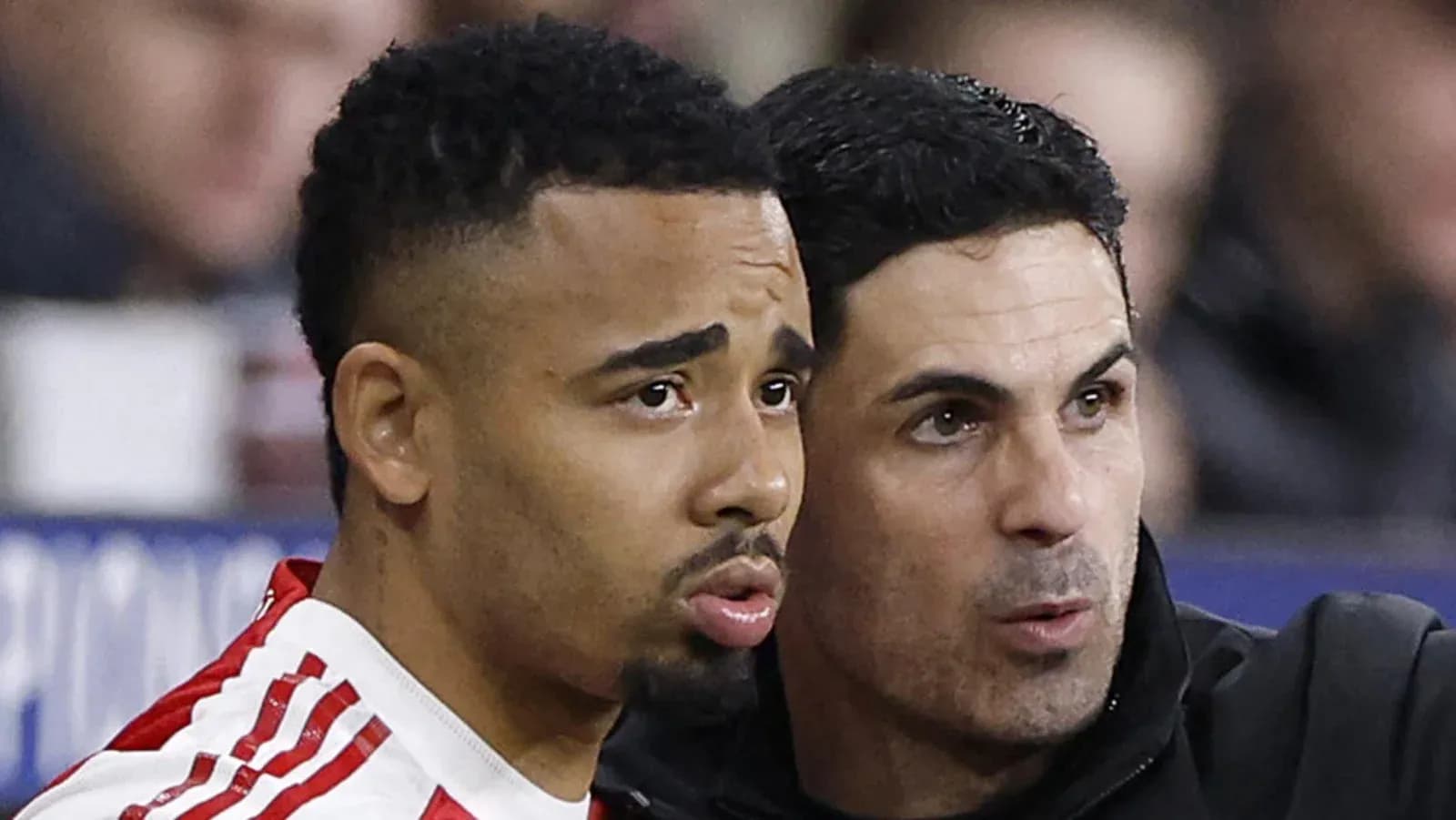
Mikel Arteta walked into his press conference this week to find a storm already swirling around his forward line. Not the one still at Arsenal, but the one who has just walked out of the door.
Gabriel Jesus, now departed, had hinted at frustration over how his Arsenal story ended. That was all it took. The headlines did the rest. Arteta, they screamed, had “fired back”, “hit back”, even been “shocked” into a response as a “bitter Arsenal transfer exit escalates”.
The reality? Far calmer. And far more revealing about how Arsenal’s manager chooses to handle the modern transfer drama.
Arteta, Jesus and a very modern ‘row’
By the time Arteta sat down in front of the cameras, the narrative had already been written for him: rift, revolt, resentment. He was painted as the bad cop who had frozen out one Brazilian Gabriel after another.
First Gabriel Martinelli, left out of a squad ahead of a move that will make him extraordinarily wealthy. Now Jesus, eased towards the exit as Arsenal reshape their attack.
Arteta’s actual words cut straight through the noise.
“Very surprised, to be fair,” he admitted when asked about Jesus’ comments. “Especially because with Gabriel I had an individual talk in the dressing room. I don’t know what the words were said, it’s fine.
“And the words that we used for each other, it was all about gratitude. So, I don’t know, it’s okay. Sometimes I understand when you have to deliver bad news or news that people don’t expect. Those things are reactive. Somebody has to be there to be bad cop. If I have to be, I have to be. And I understand.”
No anger. No counter-attack. No attempt to undermine a player now outside his dressing room. Instead, a manager calmly explaining the cost of hard decisions.
Arteta then widened the lens.
“What is important is normally what happens three months later, six months later, when Trossard comes in, he’s in the dressing room with all of us, the atmosphere and the relation you have. And thank God so far, with all the players that they left, at some point their relationship has been really good. I hope that’s the same case.”
So this was the big “row”: surprise, gratitude, an acceptance that someone has to play the villain when careers are nudged in a new direction, and a hope that time will soften any sting.
For all the talk of revolt, Arteta is not tearing strips off former players. He is defending his right to make ruthless calls while trying to keep the door open for respect to survive beyond the final handshake.
The Premier League’s most predictable ‘response’
If the Arteta–Jesus “feud” felt overstated, it still had competition in the week’s theatre of the absurd.
Mauricio Pochettino had floated the idea that Tottenham should be awarded the 2016/17 Premier League title and Chelsea stripped of it. A fantasy suggestion, but one that guaranteed headlines.
The Daily Mirror duly ran with: “Premier League responds after Mauricio Pochettino calls for Chelsea to be stripped of title.”
There was no mystery about how that would go. No governing body is about to rewrite a decade-old season because a former manager thinks his old club deserve a medal.
The opening line from John Cross set the tone: “Premier League chiefs insist they did not let Chelsea off lightly amid the storm surrounding their 2017 title.”
Of course they insist that. The real story would have been the opposite. The quotes themselves were at least a month old, repackaged as fresh reaction, framed as if something seismic had shifted. It hadn’t.
The only thing moving was the headline.
Boxing Day, tradition and a lot of noise
Cross also found himself on the back page of the print edition with another seasonal staple: the state of Boxing Day football.
The gist was simple. This year, Boxing Day fixtures fall on a Saturday rather than a Friday. In other words, the schedule is kinder. That’s it. No revolution, no resurrection, just the calendar dealing a better hand.
Not long ago, there were loud proclamations that Boxing Day football was “a goner”, that the “much-loved festive fixture” had been tossed “in the bin” and that “old timers” had lost something sacred.
Now, with one schedule-friendly year, the same tradition is apparently back within touching distance. It raises an awkward question: was anything really being eroded, or was it just another round of performative outrage?
When a ‘slam’ isn’t a slam at all
Language inflation did not stop there.
The Sun presented Christopher Nkunku’s reflections on his time at Milan as a full-blooded attack: “Nkunku lifts lid on Chelsea nightmare… and slams ex-Man Utd boss Amorim.”
The quotes told a different story.
“Milan’s decision? It’s a choice that should be respected, but I don’t know why they acted that way. I was surprised. In any case, I wish them a good season. At Milan I didn’t have any injuries, but the vision of football was different from mine. So, as soon as the opportunity arose to come back here and play my football, I seized it.”
Respect, surprise, a difference in footballing vision, and good wishes. That is not a slam. It is a player explaining a professional parting of ways.
Yet “slam” now covers everything from outright character assassination to the mildest disagreement. The gap between the word and the reality grows wider by the week.
The ‘hoodoo’ that isn’t
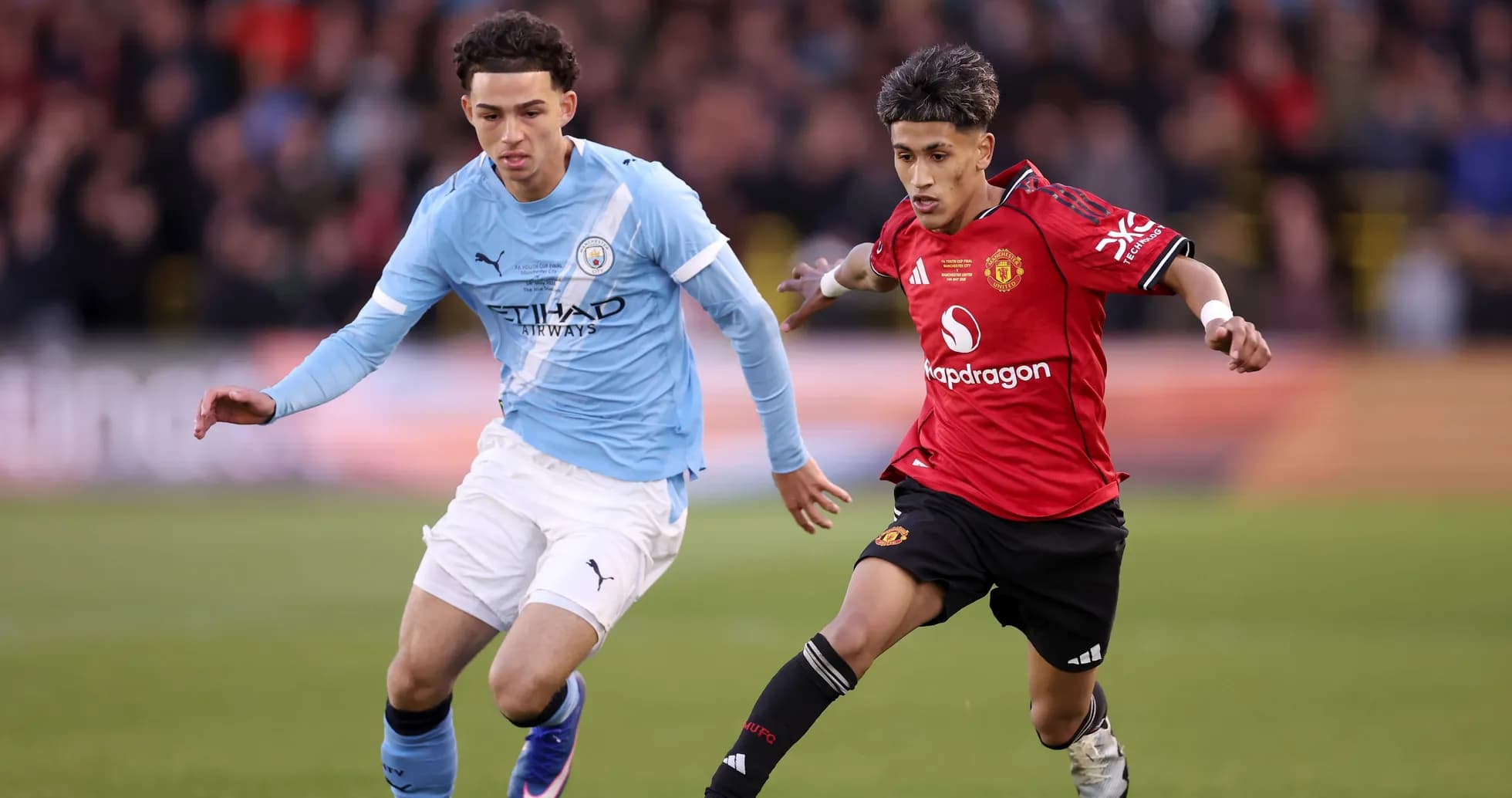
Even Manchester City, the most relentlessly successful club of the era, found themselves dragged into the hyperbole.
MailOnline framed their recent record at Old Trafford as a “hoodoo” to be broken: “Why Man City are fired up to end their Old Trafford hoodoo…”
The supposed curse? They have not scored there since 2023. Across two games. One of which finished 0-0.
This is a team that thrashed Manchester United 3-0 at Old Trafford three years ago. Since then, a defeat and a draw. Not good enough for City’s own standards, certainly. A “hoodoo”? Hardly.
But the word sells a story. Just as “slam” sells a quote, “row” sells a routine press conference, and “stripped of title” sells an old statement dressed up as fresh controversy.
Strip away the noise and the week’s football stories look very different.
Arteta is not at war with Jesus; he is explaining the emotional cost of being the man who has to say “you’re not in my plans”. The Premier League is not poised to re-award a title from a decade ago. Nkunku is not torching Ruben Amorim’s reputation. City are not haunted by Old Trafford.
The drama of the game is still there. It always will be. But more and more, the fiercest battles seem to be fought not on the pitch, but in the headlines that frame it.