.svg&w=384&q=75 "logo")
Arsenal's Victory Sparks Controversy Over Refereeing Decisions
Arsenal’s win at the Stadium of Light should have been routine. A controlled 2-0, three points banked, job done. Instead, it became another flashpoint in an increasingly bitter stand-off between one of the Premier League’s biggest clubs and the men with the whistle.
The match turned on a moment that never actually altered the scoreline but ignited the post-match narrative. With the game still goalless, Stuart Attwell pointed to the spot, penalising Ezri Konsa for grappling with Dan Ballard at a corner. VAR checked it, watched the tussle again, and backed the referee.
The penalty stood. The anger simmered.
Arsenal recovered, found their goals, and walked away with the victory. The talking point, though, walked straight into the press room with Mikel Arteta.
The Spaniard did not hold back. He labelled the decision “unacceptable”, his frustration cutting through the usual diplomatic fog that managers tend to hide behind. This was not a passing complaint about a marginal call; it was a direct shot at standards, consistency, and the people running the game.
Jamie Carragher saw something more strategic in it.
On Sky Sports’ Monday Night Football, the former Liverpool defender framed Arteta’s fury as a sign of where he now sits in the Premier League’s power structure.
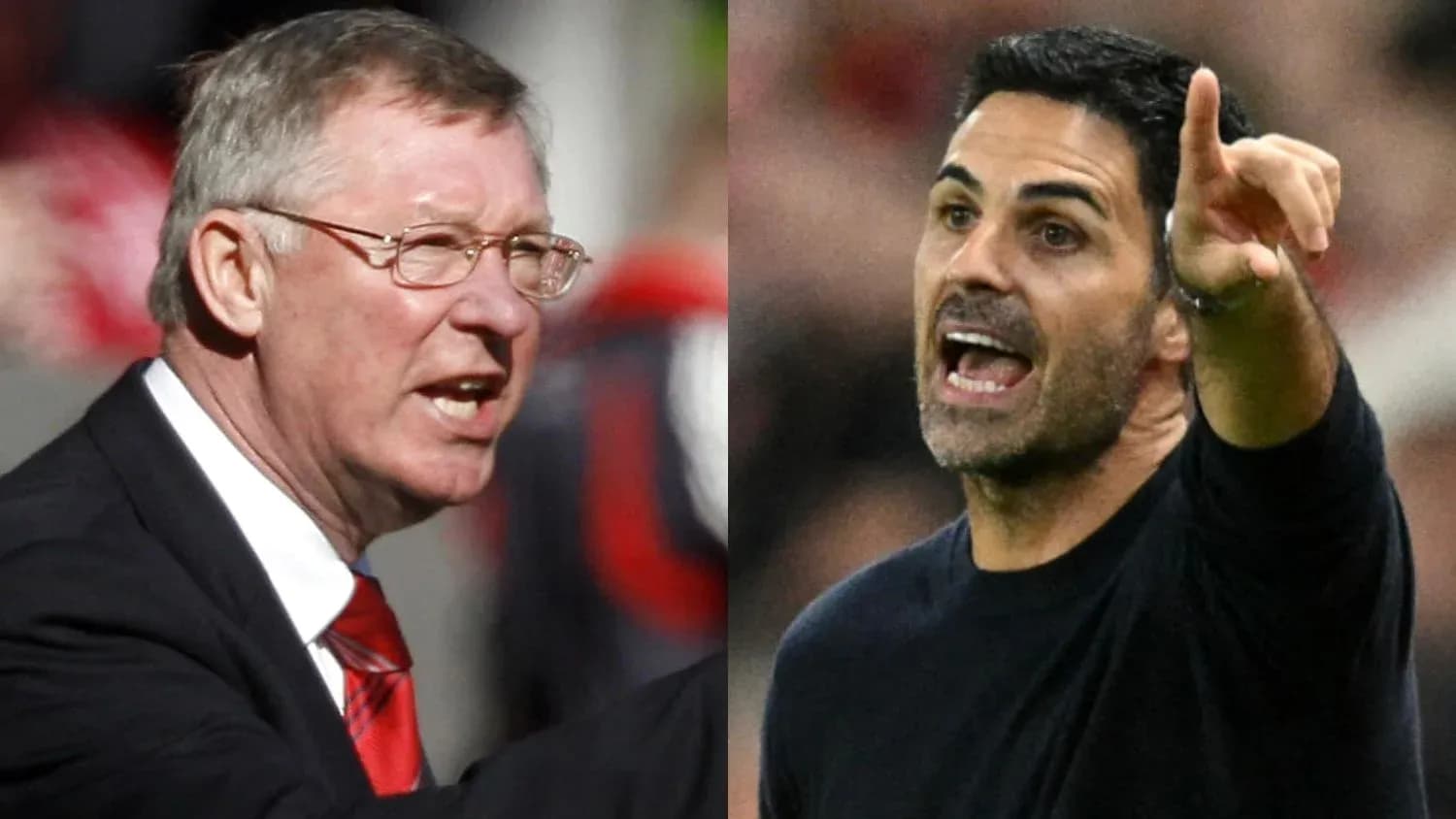
“This was Mikel Arteta becoming the Sir Alex Ferguson of the Premier League right now,” Carragher said. “He's the don at the moment; he's the Premier League champion. A lot of new managers about... he's been in his role for six or seven years, and he feels he's in a position of power to say, 'Yeah, it wasn't a penalty.' And I don't think it was a penalty.”
That comparison is not thrown around lightly. Ferguson and Jose Mourinho built empires not just on tactics and talent, but on a relentless, public squeezing of referees and governing bodies. Every press conference was an opportunity to apply pressure, to plant a seed for the next tight decision.
Carragher’s point was clear: Arteta knows exactly what he is doing.
He highlighted how the Arsenal manager repeatedly dragged every question back to the same incident, refusing to move on, refusing to dilute the message.
“One of the journalists made a point about, no matter what question you asked him, he kept going back to the penalty, so he was determined to get the narrative out that this won't happen again to his club,” Carragher noted. “But that's a manager - we've seen it with Sir Alex Ferguson, we've seen it with Jose Mourinho.”
This is not a lone outburst in isolation. It drops into a wider storm around Pro Ref, English football’s refereeing body, and a weekend that exposed cracks in the system once again.
Reports now suggest Arsenal will formalise their anger, seeking an explanation over the Konsa decision. That escalation fits the pattern Carragher outlined: turn the heat up, keep it there, and force officials to think twice the next time a defender and attacker tangle in Arsenal’s box.
“It'd be interesting to see how long it takes for another referee to give a penalty against Arsenal in a similar situation,” he said, laying bare the long game at play.
The timing could hardly be worse for Pro Ref. The Sunderland controversy followed a grim admission from the organisation after the Manchester derby. Officials accepted they had made a “glaring error” in failing to spot Enzo Fernandez in an offside position in the build-up to Erling Haaland’s decisive goal. The VAR team involved in that match have been removed from duty for the next round of fixtures.
One weekend, two headline-grabbing officiating rows, and a leading manager publicly calling decisions “unacceptable”. The pressure is no longer background noise; it is the soundtrack to the season.
For Arteta, the challenge now is to keep that soundtrack outside the dressing room door.
Arsenal’s schedule offers no space for a prolonged refereeing crusade. Ipswich Town visit the Emirates in the Carabao Cup on Tuesday night, a tie that gives Arteta the chance to rotate his squad while still protecting the winning rhythm that has carried them into the early weeks of the campaign.
Then comes a more searching examination: a trip to Brighton in the league. Tricky ground, tricky opponent, and exactly the sort of fixture where a single decision can tilt the afternoon.
Arteta has made his stance clear. The officials know it, Pro Ref knows it, and, crucially, his players know he is fighting their corner in public. The question now is simple: will that fight shape the next big call that goes Arsenal’s way—or against them?