.svg&w=384&q=75 "logo")
Argentina's Golden Era Faces Off-Field Crisis
The world champions are wobbling, and it has nothing to do with tactics or form.
The Argentine Football Association (AFA) has been dragged into a crisis that reaches far beyond the white lines, with president Claudio Tapia at the centre of a legal and political earthquake. Accused of money laundering, Tapia is locked in a high-stakes legal battle that has thrown the federation’s administration into chaos and left the national team operating in a fog of uncertainty.
That confusion has already seeped into the everyday business of the Selección. Argentina only confirmed their upcoming friendlies against Burkina Faso, Bolivia, and Benin yesterday, after weeks of delay that laid bare how paralysed the organisation has become. For a reigning world champion, scrambling to sort out modest exhibition fixtures is a jarring look.
Unpaid World Cup Bonuses Ignite Dressing-Room Anger
The tension is not just institutional. It is financial, personal, and raw.
According to La Gazzetta dello Sport, the World Cup bonuses promised to the players still have not been paid. Nearly two years after lifting the trophy in Qatar, the heroes of that triumph are reportedly waiting for money they were assured would arrive long ago.
Inside the squad, that failure has cut deep. Senior players feel slighted, their trust in the federation hierarchy eroded by what they see as a basic breach of respect. For a group that dragged the country back to the summit of world football, the idea of chasing overdue bonuses has only sharpened the sense that the AFA has lost control of its own success story.
Messi’s Farewell Stuck in Limbo
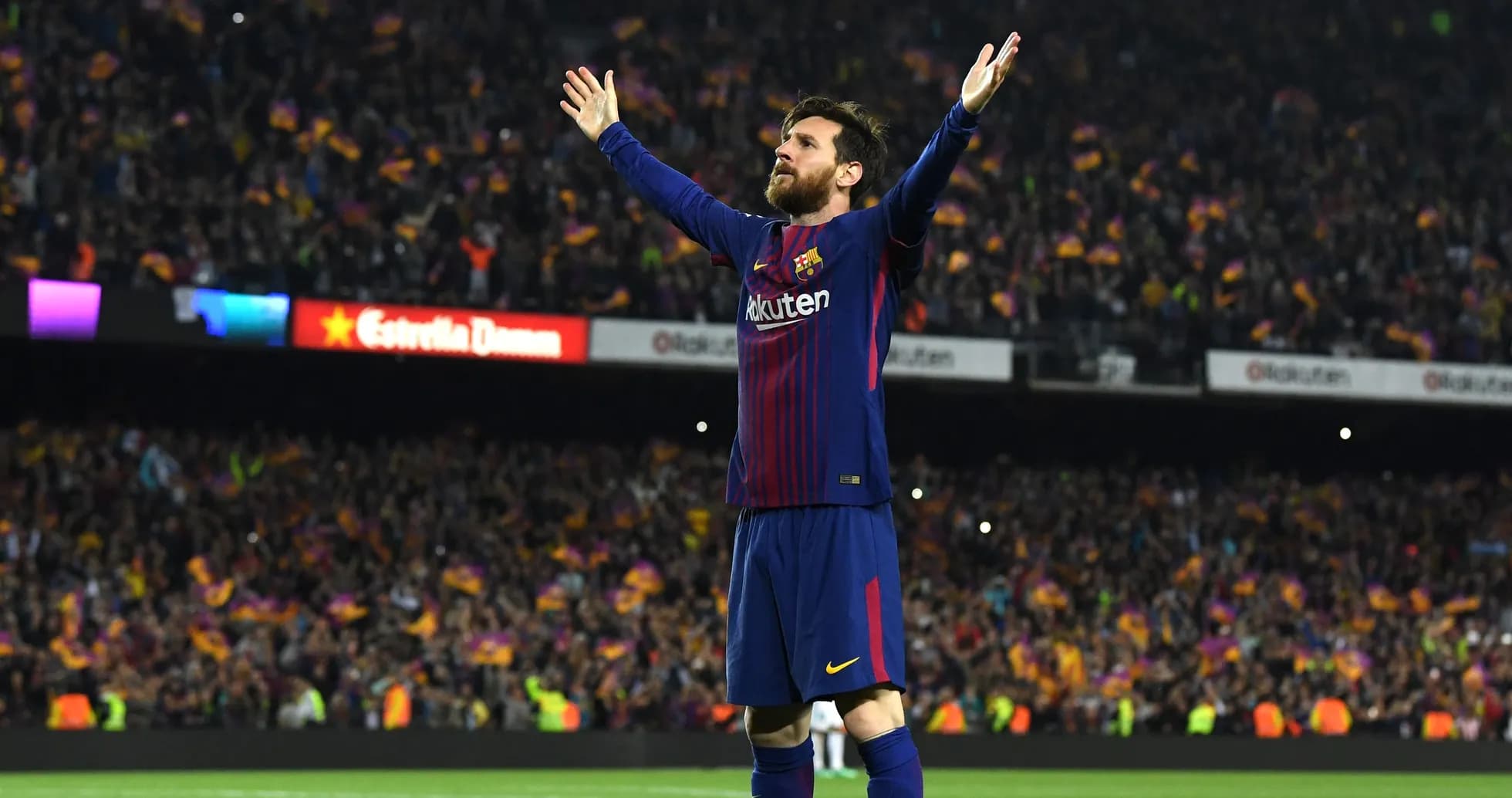
Hovering over all of this is Lionel Messi, now retired from international duty but still the emotional axis of the national team.
The AFA is working frantically to stage a grand farewell for the former Barcelona and Paris Saint-Germain star, an occasion worthy of the man who defined an era. Yet reports indicate Messi is not convinced by the proposals he has seen so far. Plans that should have felt celebratory instead look muddled and unconvincing.
With the atmosphere around the national team growing heavier by the week, the enthusiasm of the established stars for the upcoming friendlies has drained away. The prospect of flying to South America to face lower-profile opposition, against a backdrop of legal battles and unpaid bonuses, holds little appeal. Inside the camp, the idea of a sweeping squad refresh for the next international break no longer sounds radical. It sounds logical.
Scaloni Era Nears Its End
The most seismic development, though, concerns the man who rebuilt Argentina from the inside out.
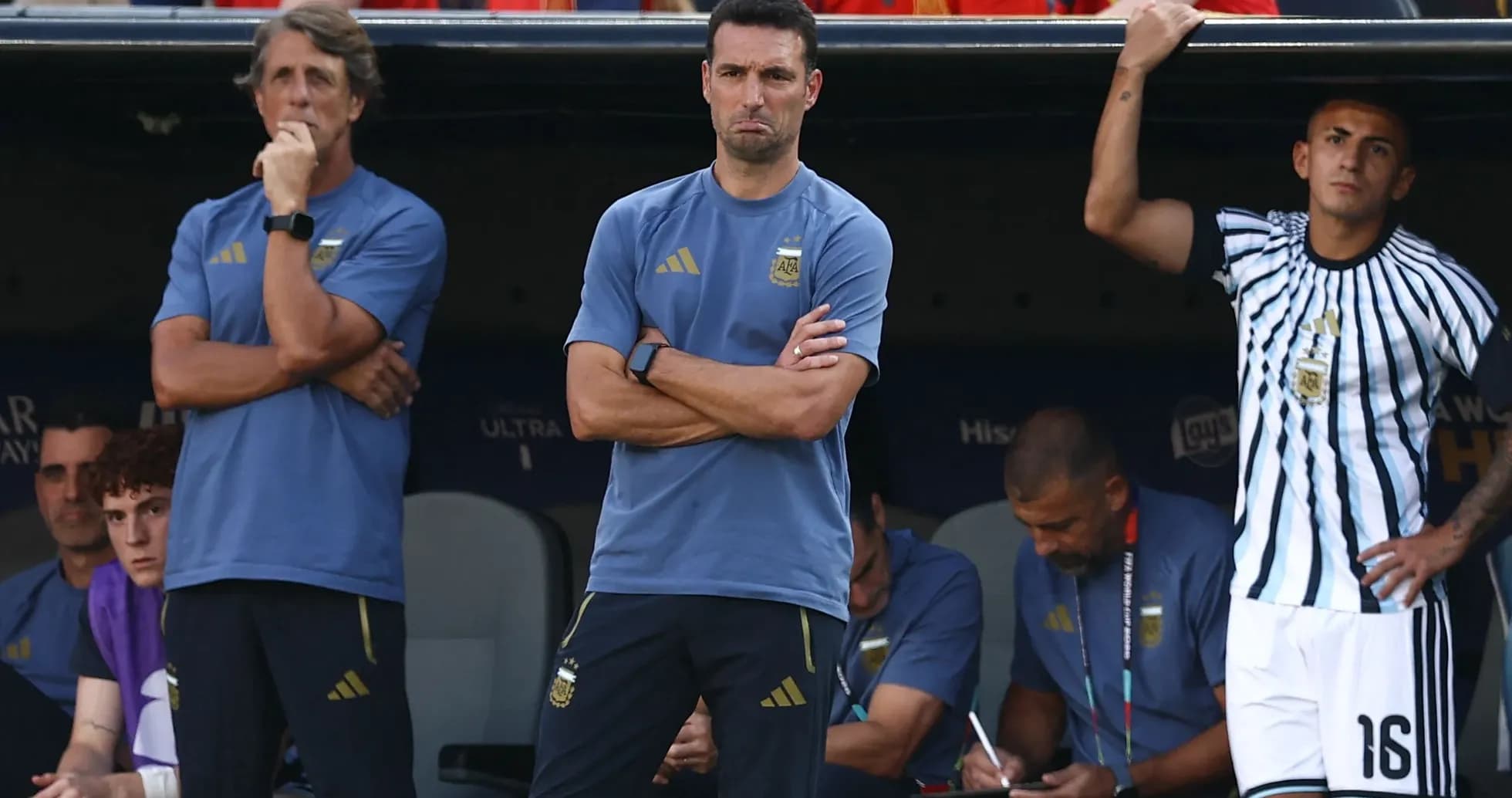
Lionel Scaloni, the coach who delivered back-to-back Copa América titles, the 2022 World Cup, and a place in this summer’s World Cup final, is widely believed to see his cycle with the national team as nearing its natural conclusion. Reports indicate he has no intention of extending his contract beyond December 2026, effectively placing an end date on the most successful modern spell in Argentina’s football history.
That feeling is said to be shared by key members of his staff. Walter Samuel, the former Inter and Roma defender and a central figure in Scaloni’s backroom team, is among those expected to depart alongside him. The tight-knit group that guided Argentina from doubt to dominance appears to be preparing its exit.
Stars Reluctant, Fringe Players on Standby
All of this leaves the current squad in an uneasy limbo.
The marquee names are, by all accounts, far from eager to make the long trip for the upcoming international window, especially with Burkina Faso, Bolivia, and Benin offering limited sporting glamour. For players who have won everything and now find themselves embroiled in off-field disputes they did not create, the motivation is evaporating.
Scaloni may have little choice but to respond pragmatically. Faced with a disillusioned core and a federation fighting fires on multiple fronts, he is expected to rest several of his biggest stars and turn instead to fringe options for the friendlies. Those games, once pencilled in as soft laps of honour for a golden generation, could become auditions for a new wave while the AFA scrambles to restore order.
Argentina remain world champions. But as the legal cases pile up, the bonuses go unpaid, and the architect of their resurgence looks towards the exit, the real question is no longer what they have achieved—it is how long this era can hold together before it breaks.