.svg&w=384&q=75 "logo")
Argentina in Turmoil: Crisis in Football Leadership
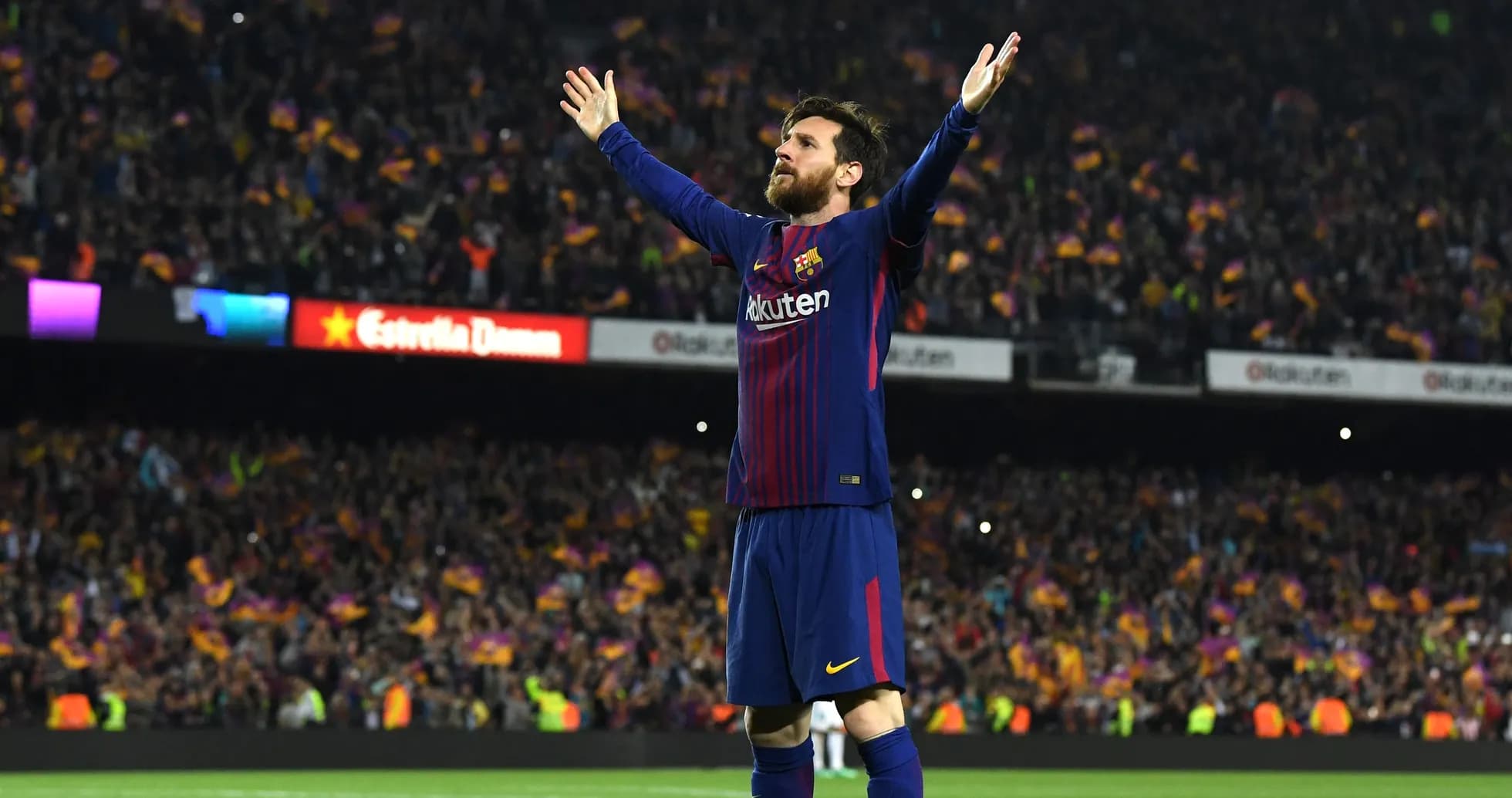
The euphoria of Qatar feels like a lifetime ago. Two months after losing the World Cup final to Spain, Argentina are not just licking their wounds on the pitch; they are fighting fires in the corridors of power.
The Argentine Football Association (AFA) is mired in administrative and financial crisis. French network RMC has gone as far as to describe the situation as “chaos,” and the word does not feel exaggerated.
At the centre of the storm stands Claudio “Chiqui” Tapia. The AFA president faces accusations of money laundering involving parties inside and outside Argentina. The legal battle is no longer a distant backdrop. Its impact is beginning to seep into the national team’s day‑to‑day life, just as a new cycle was supposed to begin.
Scaloni Era Nears a Fractured End
On the bench, uncertainty is turning into a countdown. Lionel Scaloni’s contract runs out on 31 December. The man who delivered the 2022 World Cup and then steered Argentina back to another final now looks closer to the exit than to renewal.
Reports from La Gazzetta dello Sport say Scaloni is “heading for the exit,” and he is not alone. Several members of his coaching staff also want out. That does not sound like a gentle transition. It sounds like a break.
If the coach who rebuilt Argentina’s identity after years of disappointment walks away, the national team faces not just a change of ideas but a deep reset in the middle of political and financial turmoil.
A Farewell Without a Party
On the pitch, the next chapter was supposed to start with a celebration. Instead, it may begin with a snub.
Argentina’s next three friendlies, against Burkina Faso, Bolivia and Benin, will go ahead without Lionel Messi. The captain has announced his retirement from international football, and the October window had been pencilled in as the moment to honour him properly.
That tribute now hangs in the air.
According to La Gazzetta dello Sport, a “big tribute to Messi” is on the table, but “Leo is not entirely convinced about it.” The relationship between the player and the AFA is strained. Messi feels he has given the association a huge amount, not only with his performances but through the commercial and economic power he brings.
The celebration that should have been pure emotion has turned into a negotiation.
Unpaid Bonuses and Growing Resentment
Money lies at the heart of the tension. The same Italian report points to another sore point: bonuses for the players’ recent performances remain under discussion.
Inside Argentina, more than one voice insists that the World Cup finalists are, in effect, creditors of the AFA. The sums owed to the players are described as significant. When the federation that rode the wave of a World Cup triumph cannot settle its accounts with the heroes who created that success, trust erodes quickly.
That mistrust is now shaping sporting decisions.
La Gazzetta dello Sport captured the mood with a cutting line: when you put everything together, you understand why the European‑based stars are not exactly thrilled about flying across the Atlantic to face “three national teams whose names begin with the letter B, and it is not Brazil.”
The opponents are Burkina Faso, Bolivia and Benin. On paper, routine friendlies. In reality, a test of loyalty at a time when players feel the institution has not kept its side of the bargain.
Big Names, Big Doubts
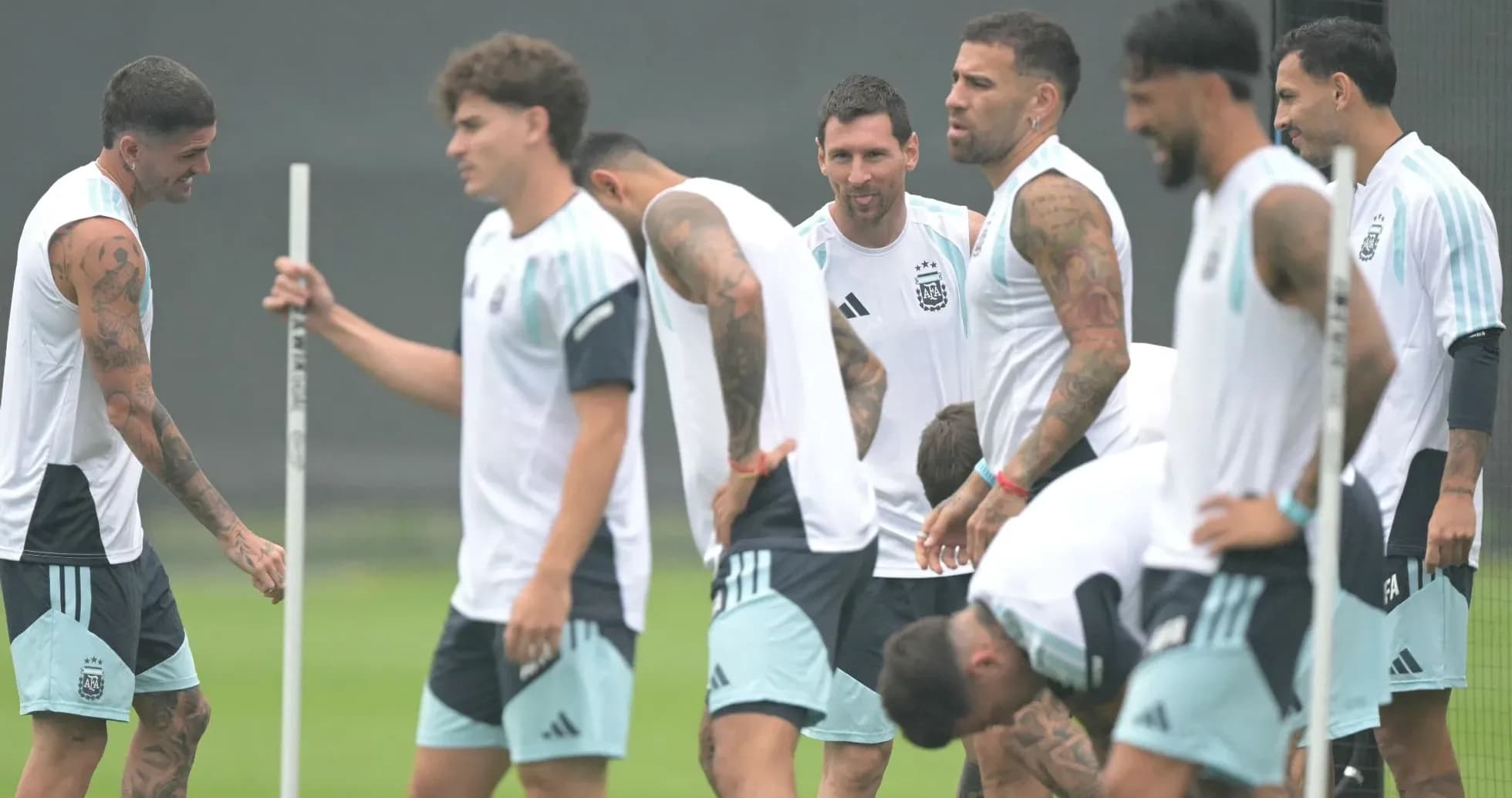
The fallout could hit the squad list hard. A number of key figures may skip the upcoming international break. Lautaro Martínez, Julián Álvarez and Alexis Mac Allister are among those who could be absent.
Take away Messi, remove several of the European‑based leaders, and throw in a coach whose future is hanging by a thread. What remains is not the swaggering world champion, but a team drifting into a new cycle without a clear captain at any level.
The uncertainty around the Argentine national team is no longer a whisper. It is the defining theme of this international window.
Argentina once turned crisis into fuel and climbed to the top of the world. Now the question is brutally simple: with the dressing room restless, the coach half out the door, and the federation under legal and financial scrutiny, who holds this project together?