.svg&w=384&q=75 "logo")
Ancelotti's Brazil Squad Reboot: New Faces, New Goals
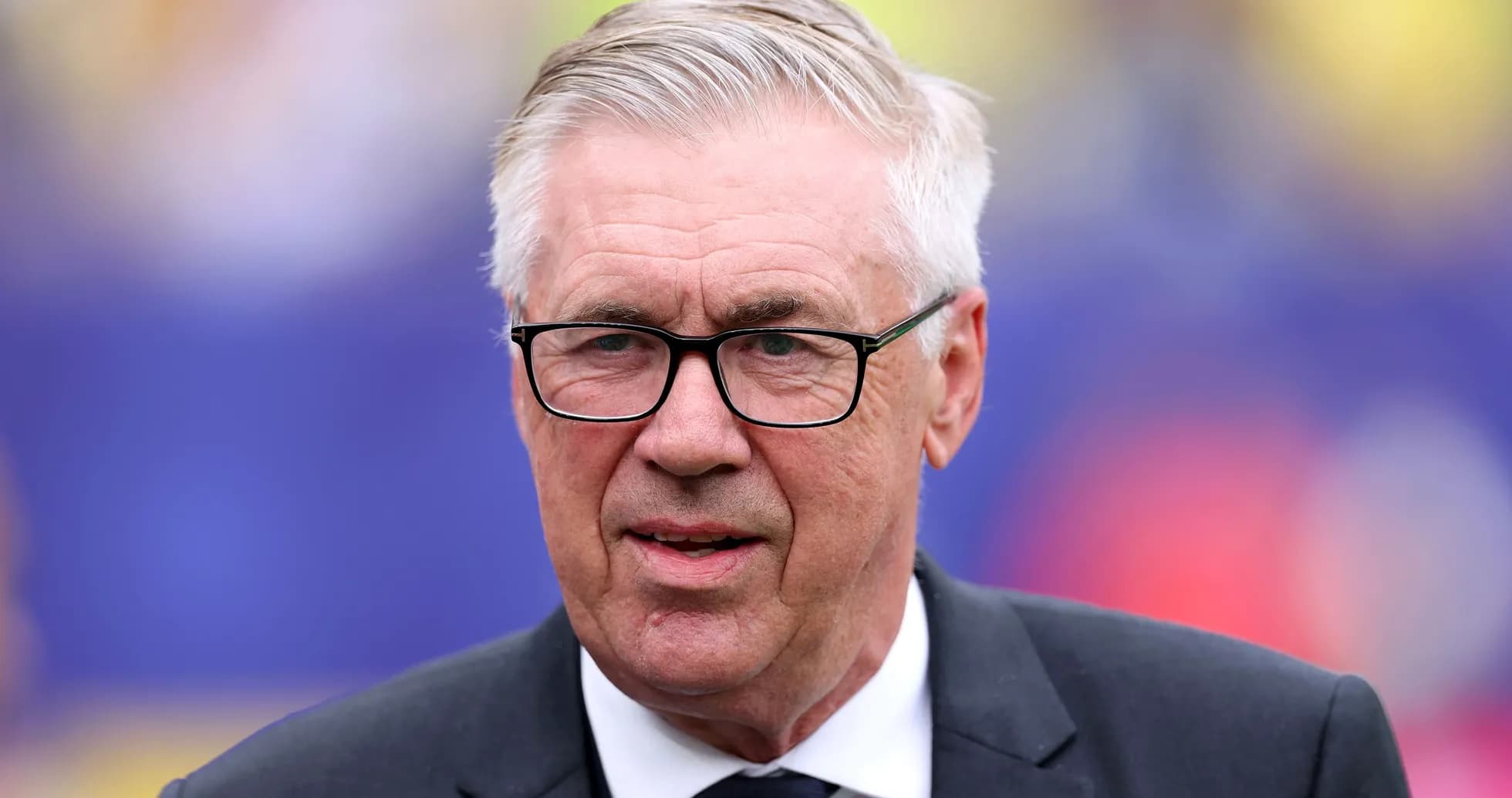
Carlo Ancelotti doesn’t do half-measures. Not at club level, and certainly not with Brazil.
Months after a bruising World Cup exit to Norway in the round of 16, the Italian has torn up the old script and started again, unveiling a Brazil squad that looks less like a traditional seleção and more like an Olympic trial. Big names are out. Birth certificates suddenly matter.
This is a reboot, not a refresh.
Alisson, Casemiro, Fabinho out as Ancelotti swings the axe
The headline omission is stark: Alisson, one of the defining goalkeepers of his generation and a mainstay for Brazil, is nowhere to be seen. Alongside him, long-serving midfield anchors Casemiro and Fabinho have also been cut adrift for the upcoming friendlies against Australia and India.
Neymar, of course, is absent after his recent international retirement, closing a long, dramatic chapter in Brazil’s modern history.
Ancelotti had promised change in the raw aftermath of that shock defeat to Norway. He has delivered. This squad is not a gentle evolution; it’s a generational pivot.
He has targeted players eligible for the 2028 Olympic Games, openly building a core with one eye fixed on the 2030 World Cup. For a country obsessed with the present, Brazil suddenly has a coach thinking in cycles, not windows.
The World Cup scar still shows. Ancelotti admitted the pain of that elimination runs deeper than anything he has experienced at club level, the kind of defeat that lingers long after the cameras move on. Now he is using that hurt as fuel, framing this as the start of a new cycle, with time on his side and a blank page in front of him.
A new generation in goal
If there was any doubt about how far he was willing to go, it vanished with his decision in goal. Alisson is not just dropped; he is part of a deliberate shift.
Hugo Souza, Pedro Morisco and Otavio are the three goalkeepers named. Youth over reputation. Potential over proven pedigree.
Ancelotti made it clear this is not a permanent exile for the Liverpool man. If, when the serious business returns with tournaments like the Copa America, Alisson is still the best Brazilian goalkeeper, he will play. But right now, the priority is different. The future needs minutes, and it needs them now.
That is the logic running through this list: short-term discomfort for long-term stability.
Vinicius, Raphinha and Marquinhos stay to guide the kids
This is not a kids-only experiment, though. Ancelotti has kept a hardened core to guide the next wave.
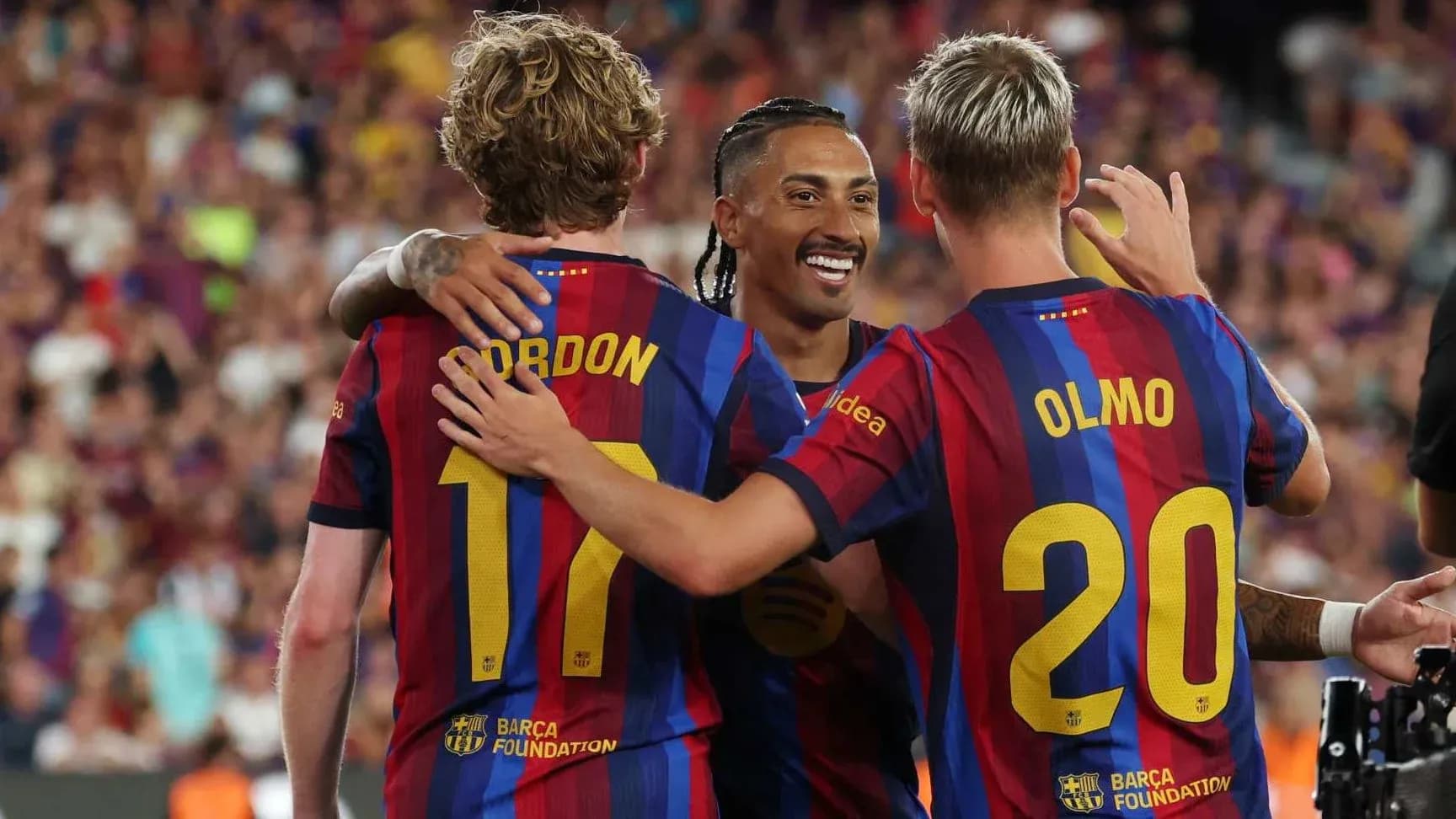
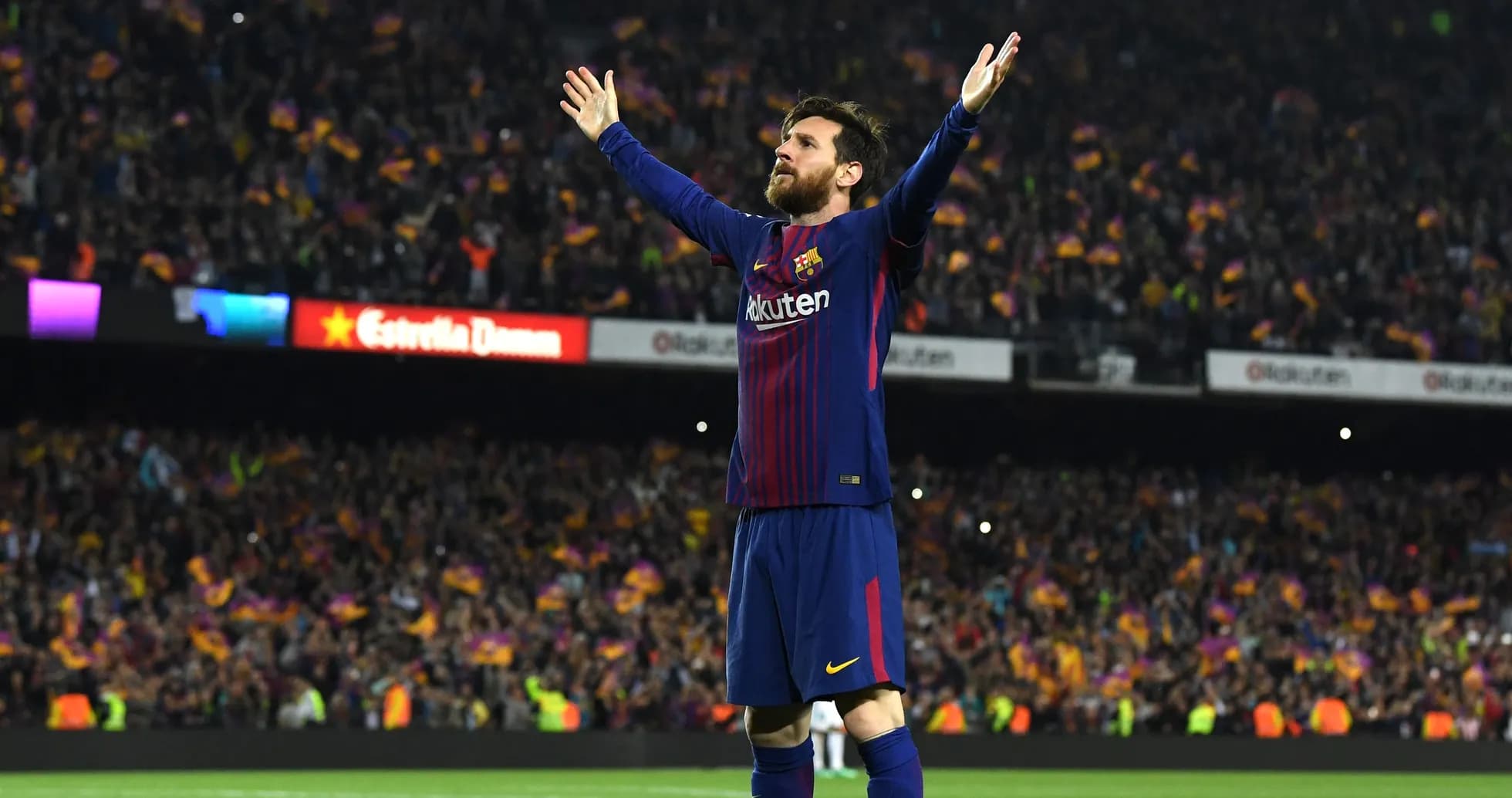
In attack, Real Madrid star Vinicius Junior and Barcelona winger Raphinha remain, joined by Chelsea’s Joao Pedro, who returns after missing the World Cup. Between them, they carry the responsibility of both producing and mentoring, of winning games while shaping a dressing room that looks very different to the one that went to the last World Cup.
At the back, Paris Saint-Germain captain Marquinhos stays on as the defensive reference point, while new Arsenal signing Bruno Guimaraes anchors the midfield as both leader and link between generations.
Ancelotti has been blunt about his thinking. Players in their mid-30s, he says, are the present, not the future. If a 34- or 35-year-old is still good enough when a major tournament arrives, they will be called. Until then, the national team belongs to those who might carry it into the next decade.
The names of tomorrow
Look down the squad list and the theme is unmistakable.
In defence, Arthur Dias, Wesley, Gabriel Magalhaes, Douglas Santos, Jair, Matheuzinho, Maurio Junior and Vitor Reis form a back line heavy on energy and learning curves. Marquinhos is the old head in a room full of ambition.
The midfield is built around Bruno Guimaraes, with Andrey Santos, Danilo Santos, Douglas Luiz, Breno Bidon and Gabriel Bontempo offering a mix of physicality, technique and promise. Several of them are still shaping their club careers; Ancelotti is asking them to grow up fast in yellow.
Up front, the excitement spikes. Endrick, already tipped as Brazil’s next great hope, headlines a forward group that also includes Joao Pedro, Estevao, Pedro, Raphinha, Rayan, Samuel Lino and Vinicius Junior. It is a frontline that could define Brazil for years, if it matures the way Ancelotti clearly believes it can.
Australia, then a historic first in India
The experiment begins in earnest in September.
Brazil will travel to Australia for a double-header against the Socceroos, first in Townsville on September 25, then in Brisbane four days later. Those games will offer a first glimpse of Ancelotti’s new structure, his new hierarchy, his new risk.
Then comes something altogether different.
On October 3, Brazil will step out in Kolkata for their first ever match in India. For a nation that has worshipped Brazil from afar for generations, that night will be more than a friendly. It will be a long-distance love affair finally meeting face to face.
For Ancelotti, it’s another stage, another test. A young, reshaped Brazil, playing in front of millions of adoring supporters in a country that has waited decades for this moment.
The message from the coach is unmistakable: the old guard had their time. The new Brazil starts now.