.svg&w=384&q=75 "logo")
Adam Wharton: Liverpool's £75m Midfield Dilemma
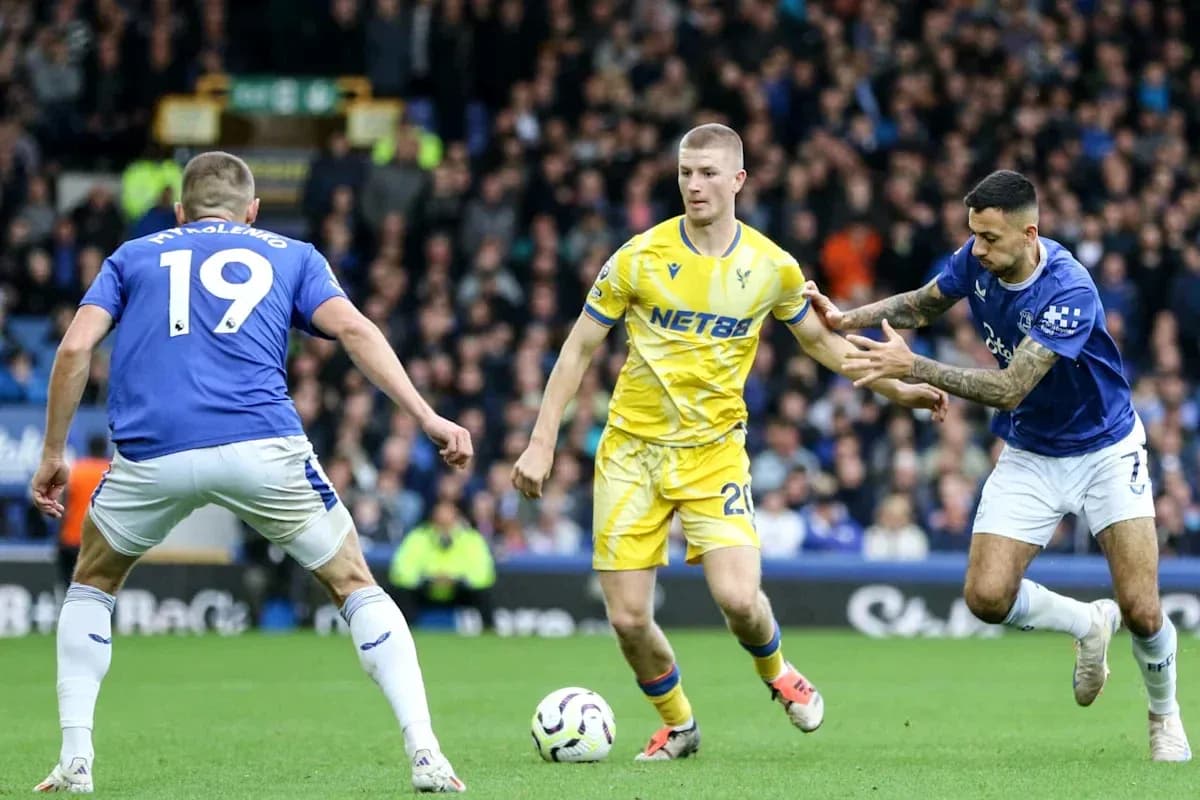
Crystal Palace know exactly what they have in Adam Wharton, and they are pricing him accordingly. The message from Selhurst Park is blunt: it will take at least £75 million to even start a conversation. Liverpool, once again wrestling with the shape and soul of their midfield, are listening.
This is not a speculative link plucked from thin air. Liverpool have tracked Wharton for a while, and the logic is obvious. Young, English, already an England international, and playing with a level of authority that belies his age, he fits the modern Premier League market almost too neatly. Homegrown, composed, and comfortable taking the ball in tight spaces – he ticks the boxes that drive fees into uncomfortable territory.
Palace’s stance is rooted in leverage. Wharton is central to what they do, the market for elite young midfielders is wild, and they are under no pressure to sell. TeamTalk’s line is clear enough: Palace will demand a “significant fee, likely to be £75 million-plus,” reflecting his age, his importance and the current going rate for top-level midfielders. In other words, if you want him, you pay the premium.
Why Liverpool Keep Coming Back to Wharton
Strip the story back and it always lands in the same place: tactics. Liverpool have bodies in midfield, but not all of them solve the same problem. Under Andoni Iraola, the team needs more control through the centre, especially when games become stretched and transitions start to run wild. When the double pivot lacks a natural holding presence, Liverpool can look open, vulnerable, too easy to play through.
Wharton offers a different type of answer. He plays with a calm that slows pulses in frantic moments. He can receive under pressure, turn out of trouble, and then either punch a pass through the lines or simply put a foot on the ball and reset the rhythm. That mix of composure, range and positional intelligence is rare enough in a seasoned pro; in a player with clear room to grow, it becomes extremely valuable.
For Liverpool, this would not be a short-term plaster. This is the kind of profile you build around. Clubs at their level do not just buy for the next six months – they buy to secure the next six years. A midfielder capable of anchoring the side now and evolving with it is exactly the sort of piece recruitment departments obsess over. Wharton looks like one of those pieces.
Palace’s Power Play
The £75m figure does more than grab headlines. It sets the tone. It tells Liverpool, and every other suitor, that Palace intend to dictate this negotiation. They hold one of the division’s standout young midfielders, and they know the market.
Reports indicate Wharton is expected to move in one of the next two windows, with January described as a genuine possibility rather than a vague future plan. If that timeline holds, conviction becomes crucial. Admiration is cheap; agreement on price, role and timing is what turns interest into action. Palace’s valuation is effectively the first barrier any club has to clear in its own internal debate.
Inside Liverpool, that debate will be sharp. Do they stretch to that level for a controlling midfielder now, or wait and risk the whole picture shifting by the summer – or worse, another club moving faster?
January and a Defining Call
The midfield conversation at Liverpool never really went away. Other areas of the squad have been tweaked, but the sense of something missing at the base of midfield lingers. That is why January already feels heavy with significance.
If performances over the next few months keep underlining the need for a specialist controller, Wharton will stay high on the list. The wider backdrop only adds pressure: a new head coach, expectations that never drop, and a squad still being reshaped after an uneven period. Short-term improvement and long-term planning are colliding. Those are the conditions in which big, uncomfortable decisions tend to be made.
On the face of it, £75m for Wharton sounds steep. Look closer and it starts to resemble the going rate. Age, nationality, ceiling, suitability for elite football – all of it pushes the number up. Liverpool are one of the few clubs with the financial muscle and the competitive need to even consider it. If they conclude that midfield is the glaring issue, the question shifts from “Is he too expensive?” to “Can we afford not to fix this properly?”
The Homegrown Edge and the Risk of Waiting
There is also the homegrown factor, often underplayed in public debate but hugely significant in squad building. Signing one of the best young English midfielders on the market would not just add quality; it would help with depth and registration rules, and bring stability to a key area of the pitch.
Supporters will worry about timing. If the need is obvious now, delaying brings danger. January is a brutal window: Palace will be stubborn, the price will not soften, and rivals will be watching the same performances, drawing the same conclusions. Once a player is widely accepted as “top class,” the bargain route usually disappears.
For the moment, caution is still warranted. There is no suggestion a deal is close, no sign that negotiations have truly begun. The landscape can change quickly between now and January. Yet the fundamentals behind the link are strong, and those stories rarely fade quietly.
At some point, Liverpool must decide what kind of midfield they want to be built around. If the answer involves control, authority and a long-term anchor at the base, then £75m for Adam Wharton stops looking like a shock and starts looking like a test of how serious they really are.