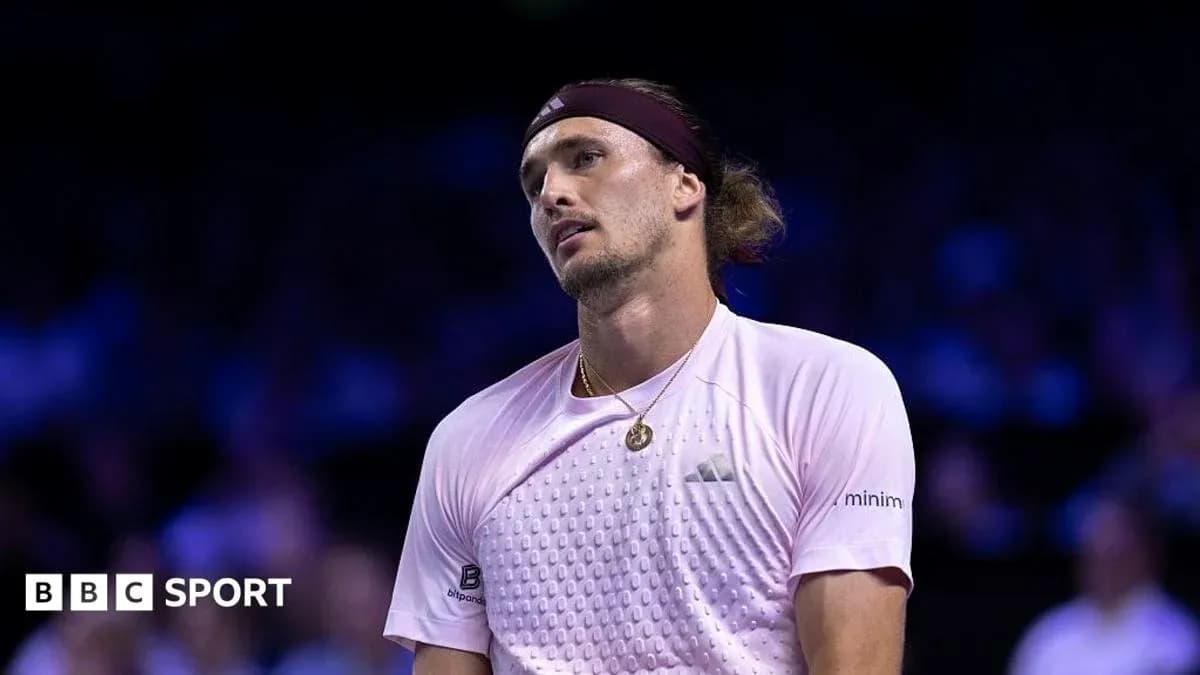
Alexander Zverev: From Nearly Man to World Number One
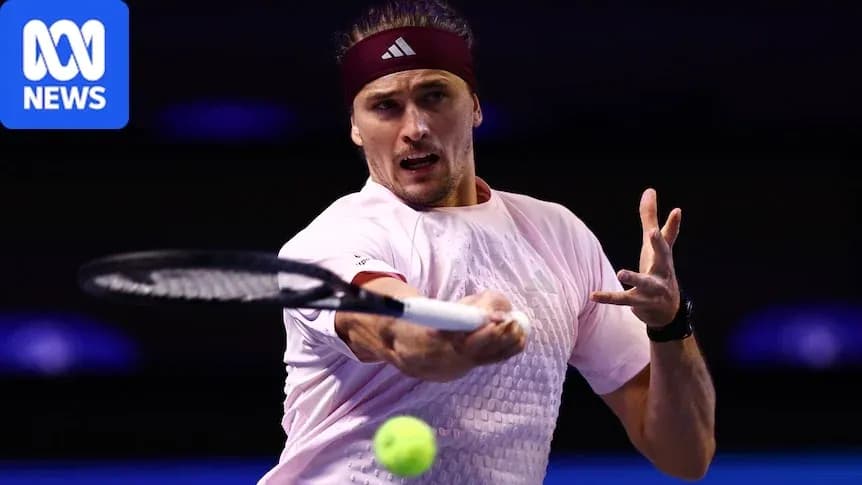
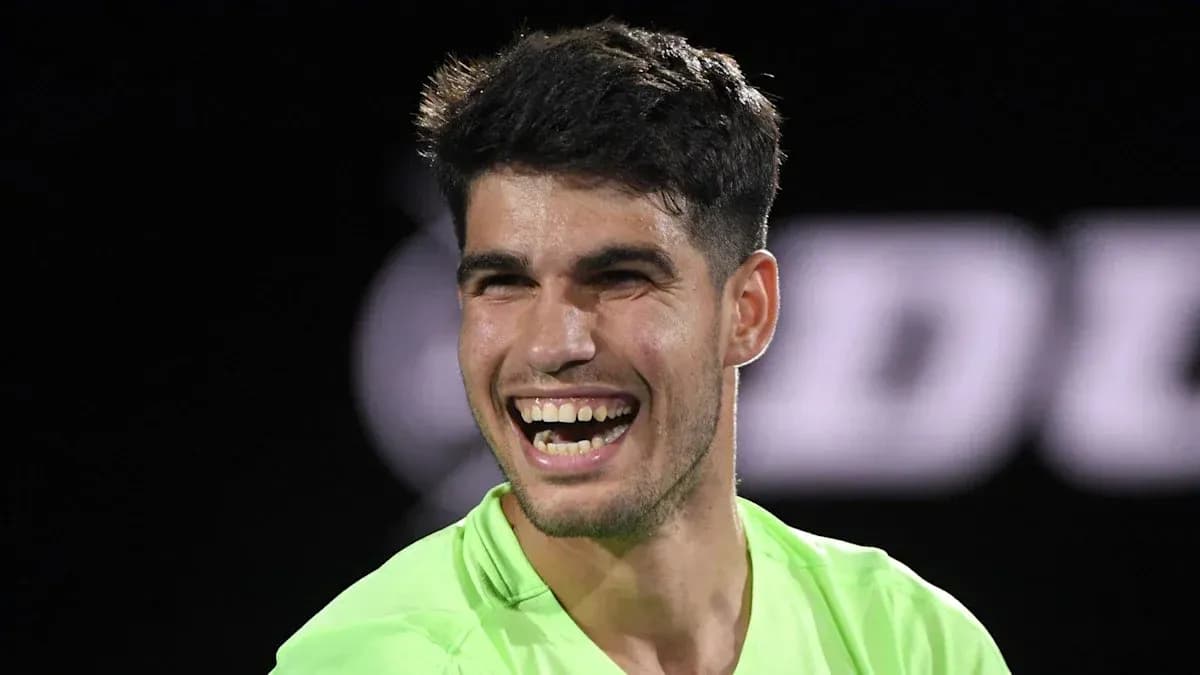
Alexander Zverev spent most of his career staring up at a mountain that never seemed to move. First, the rock face was carved with the names Federer, Nadal, Djokovic and Murray. By the time those giants finally began to fade, a new set of names – Sinner and Alcaraz – had already planted fresh flags near the top.
Now, at 29, Zverev has finally reached the summit himself.
On Monday, the German will be confirmed as world number one for the first time, the 30th man to lead the ATP rankings since they were introduced in 1973. It is a moment he has chased for years, often with enough success to glimpse the peak, never quite enough to stand on it.
"It's incredibly special," Zverev said. "It's something I've worked towards for years and you have to show great tennis the whole year to be in this position."
For a long stretch, he looked destined to be the nearly man of his generation. He won two ATP Finals titles and an Olympic gold medal in 2021, proof of a player capable of beating anyone over a week. Yet at the grand slams, where careers are defined and legacies hardened, his results lagged behind the hype and, increasingly, behind the next wave.
Jannik Sinner and Carlos Alcaraz did what Zverev and his peers had not managed: they turned promise into majors while the Big Four still cast a shadow. As the greats receded, the road remained blocked, just with different names on the signs.
This season broke that pattern. With Alcaraz halted by a wrist injury and Sinner hampered by a knee problem, Zverev found a level of consistency and resilience that had too often deserted him on the biggest stages. He won the French Open. He won the US Open. He reached the Wimbledon final. The ranking did not fall into his lap; he ground it out over months.
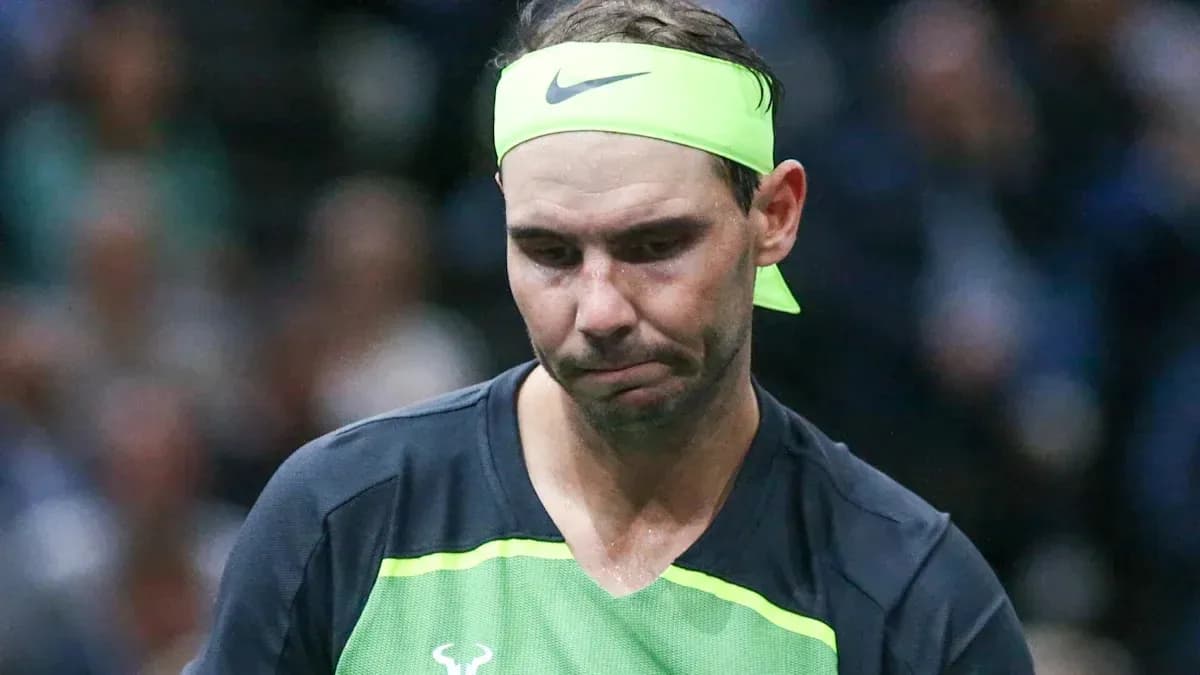
The journey could easily have ended four years ago. At Roland Garros in 2022, Zverev suffered a serious ankle injury in a brutal semi-final against Nadal, a moment that seemed to rip up his carefully laid plans. The rehab was long, the doubts louder than ever. Grand Slam titles stayed out of reach while Sinner and Alcaraz raced ahead, piling up 12 majors between them.
"I've had a lot of difficult moments in my career: the lost grand slam finals, the injury in 2022," Zverev said. "But I always somehow kept believing, kept going. This year I also took the step of changing my game a little and rebuilding it, at 29. The way this season has gone is a dream."
His rise has never been only about tennis. Away from the court, Zverev’s path has been marked by serious turbulence. Allegations of domestic abuse have followed him in recent years, accusations he has consistently denied. A German court closed a case involving his former partner Brenda Patea in 2024 after a settlement, without a finding of guilt. The ATP ended its own investigation into separate allegations made by Olga Sharypova in 2023, citing insufficient evidence.
Those chapters sit alongside his sporting story, impossible to ignore, even as he steps into the role of world number one.
On court, debate will continue over what this ranking really means in a fractured era. Zverev’s 3–8 record against top-10 opponents this season offers ammunition for those who question whether the man at the top is truly the best player in the game. Yet the sport has always rewarded more than just peak performance in marquee matches.
"A player is not only performing on court, it's also being healthy, managing your body," noted coach Patrick Mouratoglou said. "If someone is never injured and others are often injured, the one that's not injured will probably end up having a higher ranking … staying healthy when you're a professional athlete is a real skill."
For Zverev, who has lived with type 1 diabetes since childhood, durability has never been a given. The grind of the tour, the physical demands of best-of-five, the mental toll of near-misses – all of it has tested him as much as any opponent across the net.
His ascent also carries historical weight for German tennis. More than three decades have passed since Boris Becker last held the number one ranking in 1991. Zverev now joins him as the country’s second men’s world number one, a role that comes with expectation far beyond a computer-generated list.
"The number one position brings a lot with it," he said. "You have to be a good role model, do a lot of things right and on court that means more than returning and serving well."
He knows what awaits. Every locker room will circle his name. Every stadium will expect him to justify the digit next to it. And looming in the background, even as he finally stands above them in the rankings, are the two young men who helped redefine the landscape he is trying to rule.
"I still have Carlos and Jannik," Zverev said. "Hopefully, I can keep competing with them over the next few years."
The mountain has been climbed. The real fight, as he knows too well, starts now.