.svg&w=384&q=75 "logo")
Hans-Joachim Watzke on Thomas Tuchel's Impact for Germany and England
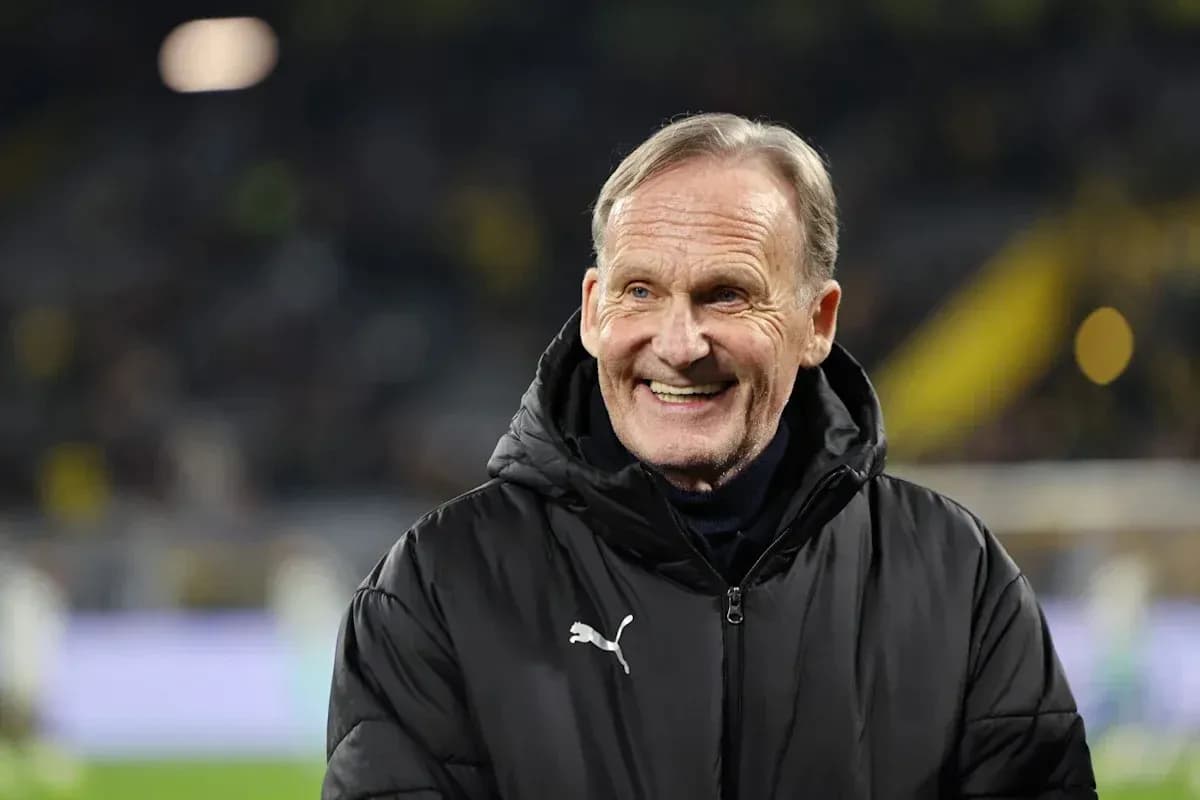
Hans-Joachim Watzke wanted Thomas Tuchel to take over the German national team in the immediate aftermath of the 2022 World Cup fiasco in Qatar – and says he later backed him again when England came calling.
The Borussia Dortmund chief, who has been vice president of the DFB since 2022, revealed in an interview with Sky Germany that the thought of Tuchel on the Germany bench kept him awake in the nights after the group-stage exit.
“We were eliminated in Qatar quite miserably. And then? Then you think at night or for two nights, what could be now?” Watzke said, describing the soul-searching that followed one of the country’s darkest tournaments.
The answer, internally at least, was continuity. Hansi Flick stayed.
“Oliver Bierhoff was still there at the time. It was not my decision who would be national coach. But the basic attitude was simple: We’ll continue with Hansi Flick,” Watzke explained. “And Hansi is an excellent coach; you can see what he’s doing at Barcelona.”
Watzke, though, felt the warning signs went beyond the bare results. The performances alarmed him. He believed the problems would only grow after the World Cup because the team’s displays on the pitch were as troubling as the early exit itself.
In the background sat Tuchel, a man Watzke knew as well as almost anyone in German football. The pair had shared an intense spell together at Borussia Dortmund between 2015 and 2017, a period that brought the DFB-Pokal but also a bitter split.
Tuchel was dismissed just days after lifting the cup, with the relationship shattered by disagreements over being forced to play a Champions League quarter-final at home only one day after the bomb attack on the Dortmund team bus.
That episode has long been painted as a clean break. Watzke insists the reality is more nuanced.
He said what became public at the time “wasn't the full truth” and stressed that, despite the fallout, he and Tuchel have maintained a good relationship. The respect, he made clear, never truly disappeared.
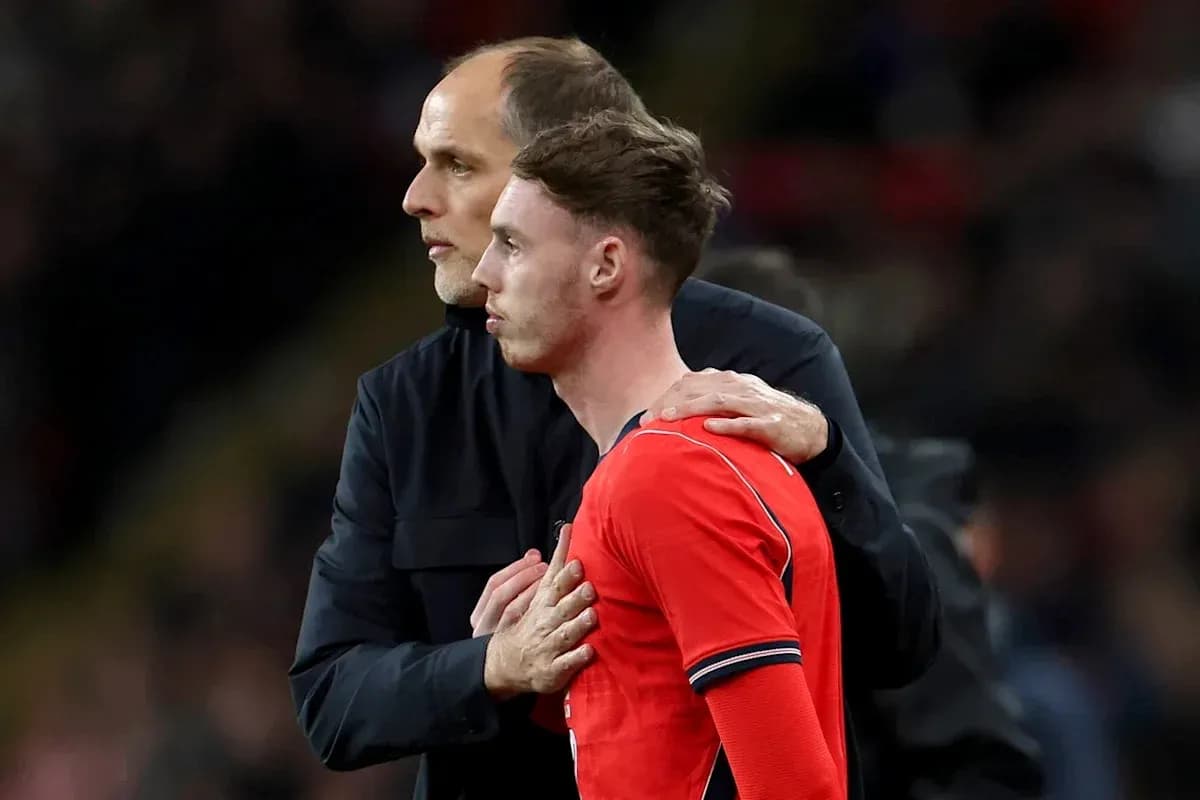
So when the Football Association sounded out Tuchel for the England job, Watzke’s phone rang again. This time, he had a different kind of influence. He was asked for a reference – and he did not hesitate.
Before Tuchel was appointed England manager, Watzke was consulted and gave a strong recommendation for his former coach, underlining both Tuchel’s quality and his character under pressure.
“Anyone who knows Tuchel as a personality also knows that he also imposes this pressure on himself,” Watzke said. “And as I said, I always had respect for it in the end, even in retrospect, because I don’t know if, when you were sitting on the bus at that moment, things felt different for you. After all, you just have to respect that.”
From Qatar to Wembley, the sliding doors are obvious. Germany stuck with Flick. England turned to Tuchel, with Watzke’s endorsement in the background and the memory of that bomb-scarred night in Dortmund still shaping how he judges a coach’s courage.