.svg&w=384&q=75 "logo")
Tyson Fury Faces Urgency in Boxing Landscape
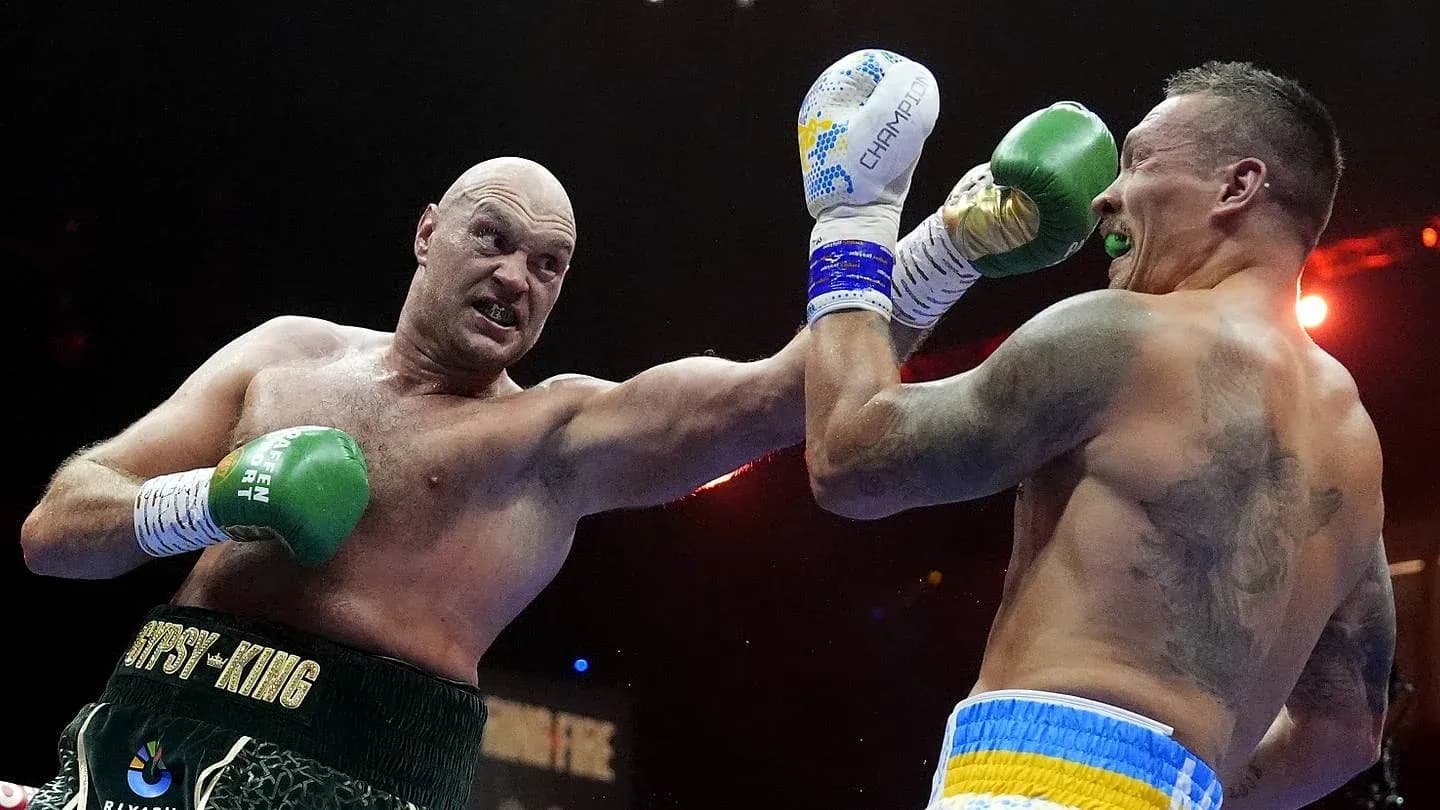
Tyson Fury is running out of road.
Boxing, the most fickle of sports, has a way of flipping scripts overnight. One collapsed superfight with Anthony Joshua has left Fury scrambling, and his attempted pivot toward Oleksandr Usyk over the weekend carried the unmistakable scent of urgency.
The problem? Usyk doesn’t need him. And he knows it.
Fury’s plan falls apart
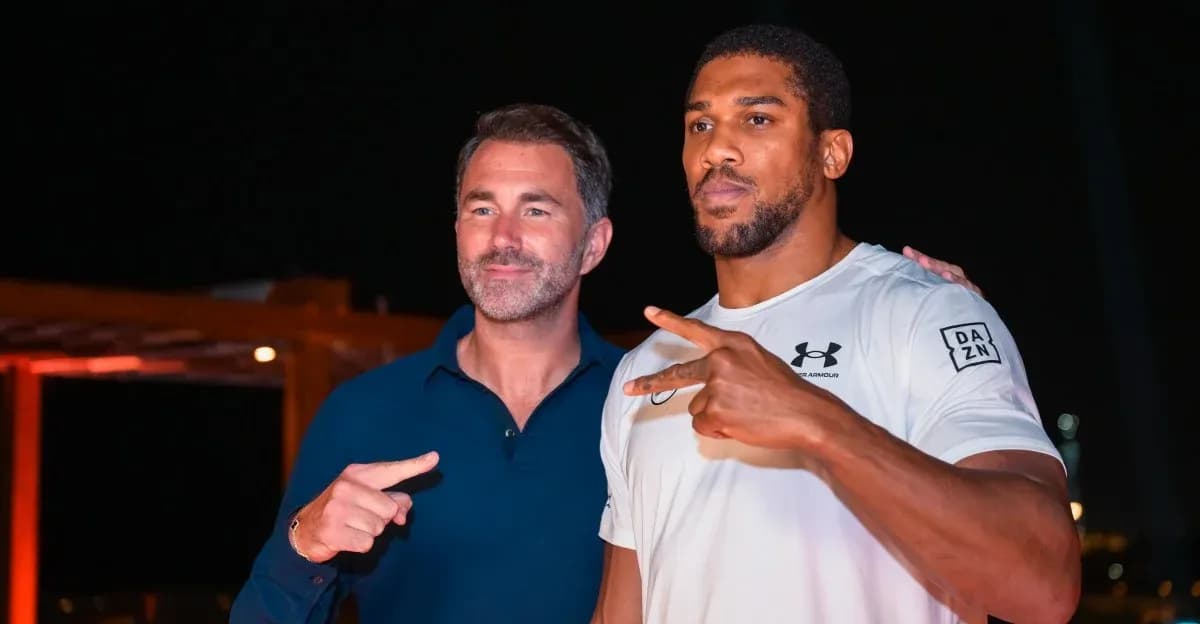
The Fury–Joshua saga stalled not because of money or belts, but geography. Fury signed off on New York, on the bright lights of Madison Square Garden and a push into the American market that Saudi powerbroker Turki Alalshikh is desperate to accelerate under the Zuffa Boxing banner. Joshua, by contrast, has dug in on home soil, eyeing Wembley Stadium and a British blockbuster.
With that stalemate dragging on, Fury tried to pivot. He turned to the man who once held all the heavyweight marbles, Oleksandr Usyk, believing the Ukrainian could be a ready-made backup.
He misread the room.
Usyk is a generational former undisputed heavyweight champion, a technician who has already carved his place into the sport’s history. He is close to walking away. One more fight. One last dance. That’s the plan. But it has to be on his terms, not as a late replacement to save someone else’s calendar.
His camp made that clear.
A public call-out, and a closed door
Fury went public with his appeal, speaking to Sky Sports and trying to drag Usyk back into the ring.
“You got the decisions last time; fair play to you. Good luck to you; let's do it again. Let's run it back in November. The ball is now in your court... do you want to fight me this year, 2026, or are you calling it quits? Let me know because I am now looking for a new opponent.”
On the surface, it was a respectful challenge. Underneath, it sounded like a man trying to lock down a date – November 2026 – before the sport moves on without him.
The issue is that the previous chapter between them has already been written. Across two fights and 24 rounds, Usyk didn’t just edge Fury; he controlled him. There was no lingering sense of injustice, no unresolved controversy to sell a third bout. If those contests had been razor-close, Fury could have built a genuine case for a trilogy. Instead, Usyk’s clear superiority stripped that argument away.
So when Fury frames this as unfinished business, it rings hollow. For Usyk, the story is finished.
Usyk’s camp shuts the door
From Usyk’s side, the response was blunt. His manager, Sergey Lapin, dismissed the idea that the Ukrainian would serve as a contingency plan.
“Usyk is not Tyson's backup plan. If Fury needs an opponent, he should visit the Ready to Fight platform. They can help him find a worthy opponent there.”
The sarcasm cut through the noise. This wasn’t a negotiation. It was a brush-off.
And it underlined the real dynamic here: Usyk has the leverage, Fury does not. At this stage of his career, the Ukrainian can pick his farewell opponent, his stage, his moment. He doesn’t need Fury’s name, or his drama, or a rushed build-up for a man about to say goodbye to the sport.
A star with dwindling options
That leaves Fury in an uncomfortable place. The one fight that could define his era – a showdown with Joshua – is stuck in neutral. The trilogy he wants with Usyk is dead on arrival. His latest public plea only reinforces the perception that he is chasing, not being chased.
And once a heavyweight giant starts to look desperate, the aura fades.
What leverage does Fury really have now? A name, a profile, a history of big nights, yes. But not the commanding position he once enjoyed. Not the ability to click his fingers and summon the opponents he wants, when he wants them.
So the questions hang in the air. If the Joshua impasse over New York and Wembley cannot be resolved, who steps up? Who gives Fury the kind of fight that still matters at the highest level?
One thing is already certain: that man will not be Oleksandr Usyk.