.svg&w=384&q=75 "logo")
Tuchel's England: Moving Past Argentina and Embracing Change
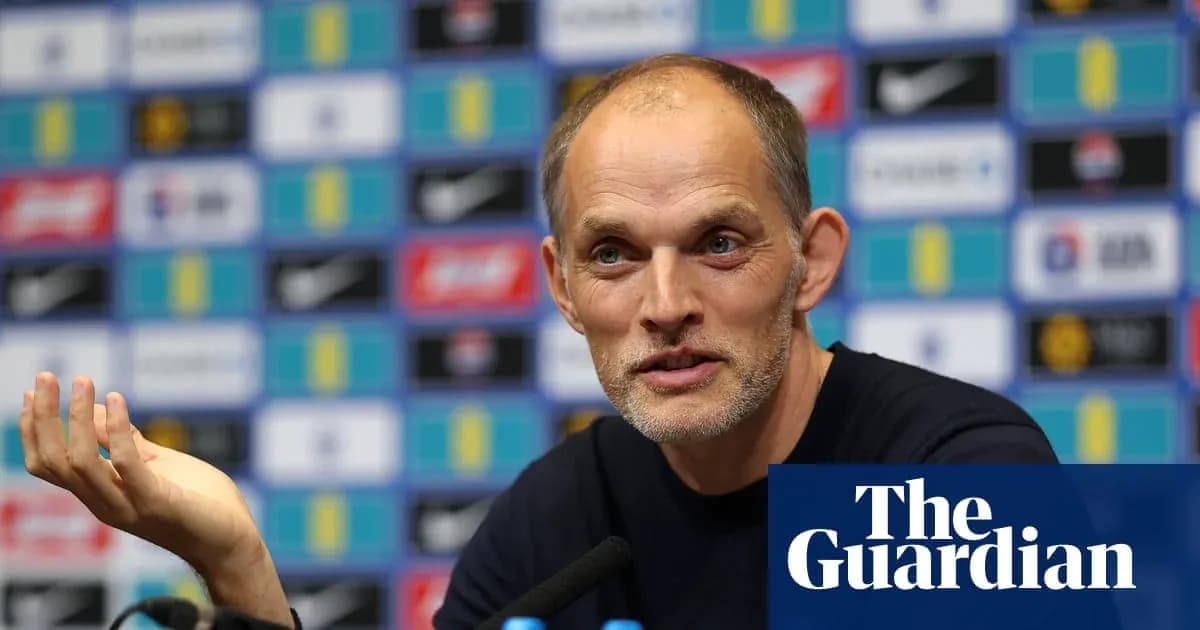
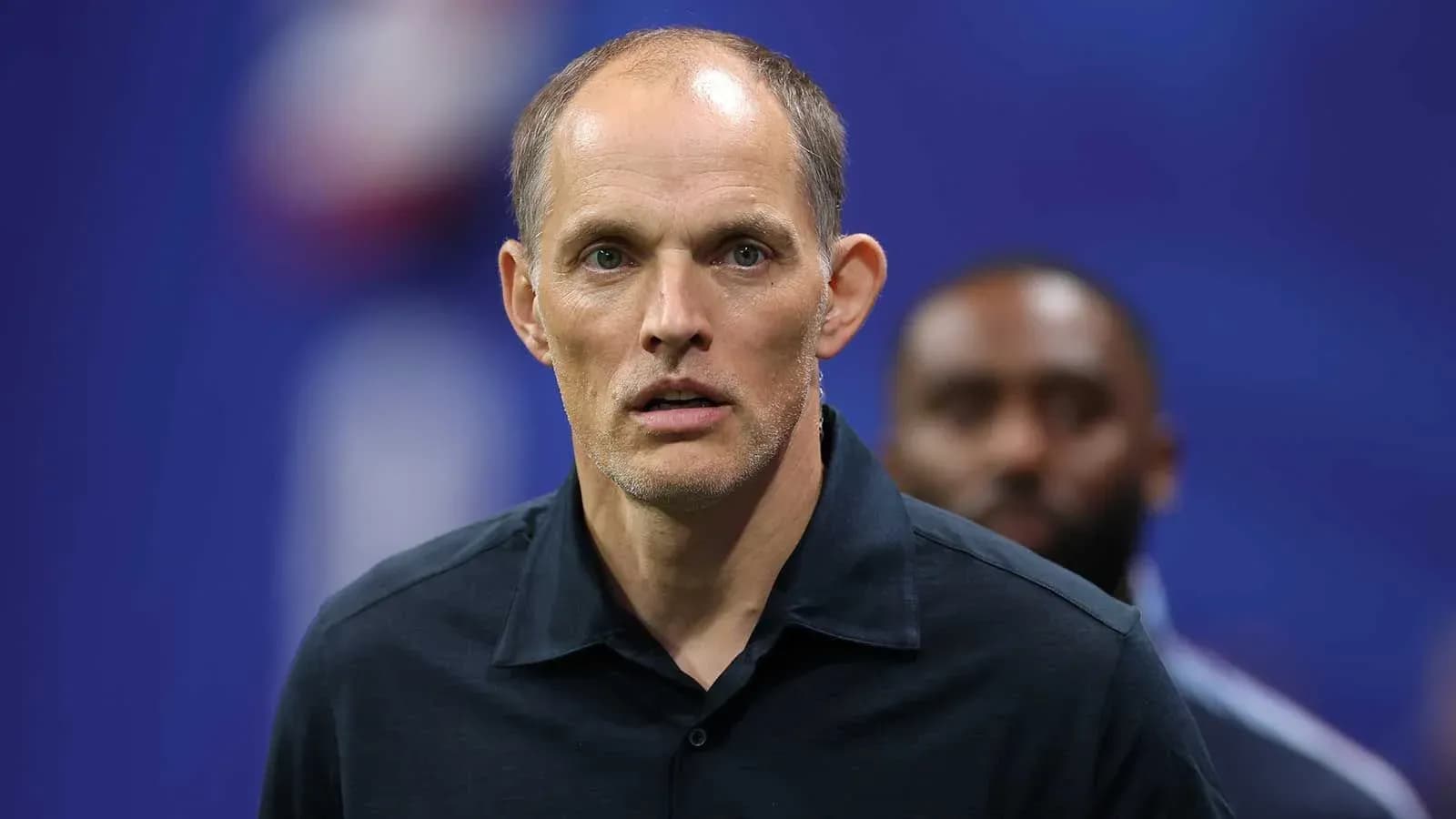
Thomas Tuchel says 99.9% of England fans he meets don’t mention the substitutions against Argentina. They want to talk about Mexico, the Democratic Republic of the Congo, the bronze medal over France. The happy bits.
He should probably listen to the 0.1%.
Because outside his bubble, the mood is darker. England were 1-0 up in a World Cup semi-final in Atlanta and then shrank, retreating into themselves and into a back five that invited Argentina on. The anger over that collapse has not gone away, no matter how much Tuchel jokes about it at Wembley.
A coach looking forward, a country looking back
Tuchel tried to turn the page as he named his first squad since the World Cup, for Nations League games against Spain, Czechia and Croatia. He smiled about being “told off” by his FA bosses for the defensive changes against Argentina, then quickly switched tone and urged everyone to focus on the 6-4 win over France in the third-place play-off.
That is the tension at the heart of this England reset. Tuchel wants to bottle the “brotherhood” and team spirit from the tournament. Supporters want to know if he has learned anything about game management, about what happens when England score first in a big game and then stop playing.
His new list of names cannot be separated from that night in Atlanta. Noni Madueke, Ollie Watkins and Ivan Toney are out from the 26 who went to the World Cup. On paper, that looks ruthless. In reality, Tuchel insists he wanted continuity and only broke from it because of injuries.
Dean Henderson, Dan Burn, John Stones, Reece James, Djed Spence and Jordan Henderson are all missing. That forced his hand, opening the door to younger faces and a fresher feel. Renewal by necessity, not design.
Alexander-Arnold returns – but is he trusted?
The most eye-catching recall is Trent Alexander-Arnold. It is also the most puzzling.
He has not been picked since June 2025. He has not convinced any England manager that he is undroppable. His form for José Mourinho’s Real Madrid has flickered rather than burned. And Tuchel made it clear he does not see him as a midfielder.
So why now? Would he be here if Spence, James or even Ben White were fit? Those are fair questions when a player has spent so long on the outside. For Alexander-Arnold, the task is brutally simple: play well enough this month that he is still in the conversation in November.
Tuchel gathered the new faces and told them a call-up is only the start. Perform in an England shirt or disappear. No more sentimental caps.
That message sits a little awkwardly with his World Cup choices. When a reporter asked whether the selections of Alexander-Arnold, Alex Scott and Cole Palmer were a response to England’s lack of forward passing in Qatar, Tuchel paused. The room remembered his line after the Argentina defeat: that ball possession is not part of England’s DNA.
Between Spain and chaos
When he took the job, Tuchel spoke about harnessing the pace and power of the Premier League. In the World Cup, England only truly unleashed that in one spell: the second half of their opening win over Croatia. For those 45 minutes they ran wild, pressed high, and looked like a side nobody would want to face.
The rest of the time they sat in a strange no-man’s-land. Not Spain, stroking the ball around, suffocating opponents with possession. Not full Premier League chaos either, with waves of runners and relentless speed. Just something stuck in between, reliant on Harry Kane and Jude Bellingham to conjure moments from nowhere and on a back line that held out until it didn’t.
Tuchel now talks about “embracing the chaos” more often, about replicating that Croatia surge while still finding moments to “rest with the ball”. That is easy to say in September. It is much harder to do when international football is increasingly ruled by the smartest passing sides, the ones who can control tempo and territory without burning through their legs.
He admitted England were not the “most economical” team at the World Cup. The Premier League intensity drains his players. But he also helped create his own problems.
Midfield mistakes and second chances
Against Argentina, Declan Rice faded. England needed legs around Elliot Anderson, someone who could take the ball and break lines. The options were thin. Jordan Henderson, 36, was playing with a broken wrist. Kobbie Mainoo was in the squad, nimble in tight spaces, but never left the bench.
That was a clear misstep, and Tuchel knows it. This time he has promised to “look at” Mainoo properly. He has also turned to Myles Lewis-Skelly, who finished last season impressively in Arsenal’s midfield, and to Scott, who shone for Bournemouth. Both are in; Adam Wharton remains out in the cold.
These are small but telling shifts. England ended the Argentina semi-final in a grim 5-4-1, clinging on without an outlet. This squad suggests Tuchel wants more players who can pass forward under pressure, not just run and tackle.
There will always be rows about who misses out. Morgan Gibbs-White and Josh King can feel hard done by. Liam Delap could easily have been chosen ahead of Dominic Calvert-Lewin as Kane’s understudy. Selection is a permanent argument in this job.
Yet strip away the noise and this is a strong group. There is quality in every line, and a noticeable injection of youth.
A new wave – and a demand for courage
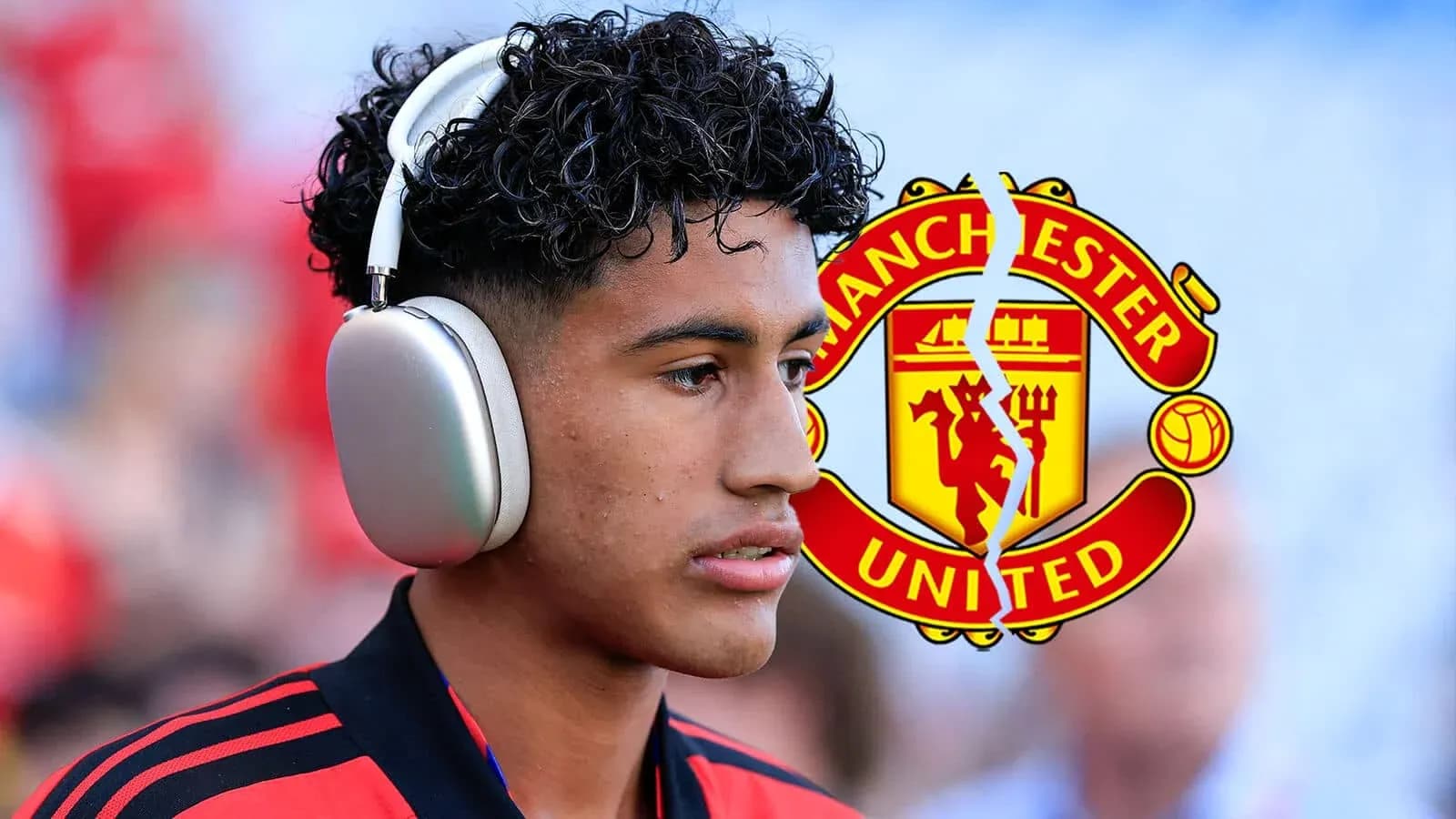
Rio Ngumoha, Liverpool’s teenage winger, headlines that new wave. Jarrad Branthwaite has muscled past Levi Colwill and looks set to become the new Dan Burn in central defence, a tall, left-sided presence Tuchel clearly trusts. Lewis Hall has a chance to stake a claim at left-back.
Up front, the omission of Madueke in favour of Palmer hints at a shift in Tuchel’s attacking thinking. At the World Cup he leaned heavily on like-for-like swaps, keeping the structure rigid and the profiles similar. Palmer is different. Chelsea’s No 10 does not hug the touchline and sprint in straight lines. He drifts, links, creates.
He is also, bluntly, a better all-round footballer than Madueke.
England now have technicians as well as athletes. They have players who can play through pressure, not just around it. That raises the stakes for Tuchel. Supporters do not want to see another big-game lead protected by fear and a deeper and deeper defensive line. They want a coach who trusts his players enough to keep the ball and keep attacking.
Next Saturday, Spain come to Wembley to open England’s Nations League campaign. It is exactly the kind of opponent that exposes confusion over identity. Possession side against a team whose head coach once claimed possession is not in their DNA.
By then, the jokes about 99.9% of fans might have worn thin. The real question is whether Tuchel has moved on from Argentina more than the country has – and whether this squad is the first sign that he finally intends to coach England into something bolder than that haunted 5-4-1.