.svg&w=384&q=75 "logo")
Southampton's Espionage Scandal: FA Weighs Eckert's Fate
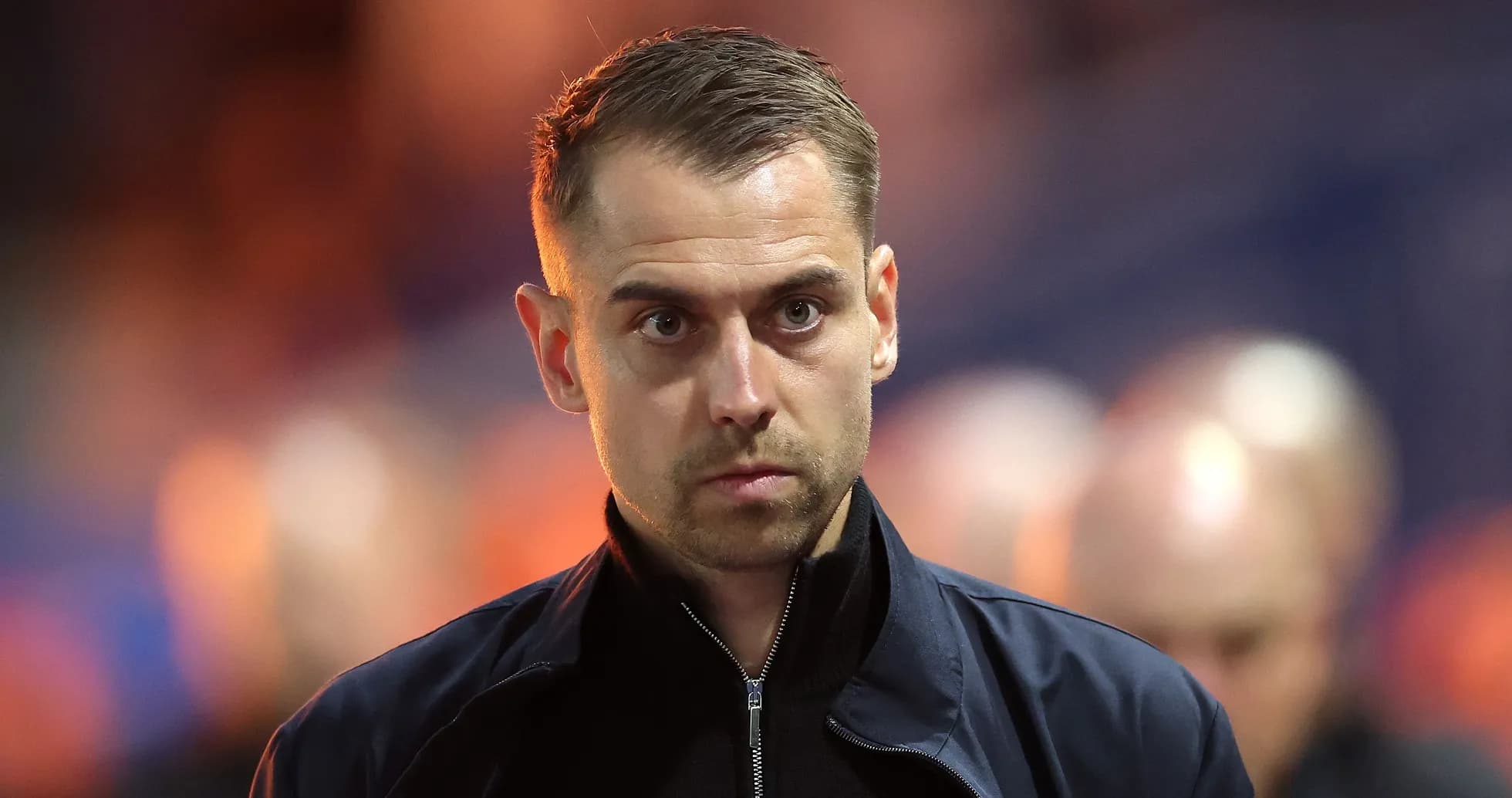
The spy story that has stalked Southampton for months is about to reach its next courtroom. What began with an intern lurking at a Middlesbrough training session has become one of the most severe disciplinary sagas English football has seen.
In May, Middlesbrough staff confronted a young Southampton employee, caught watching their preparations ahead of the Championship play-off semi-final. That was the spark. The investigation that followed uncovered that it was no one-off stunt: similar covert trips had been made to observe Oxford and Ipswich during the regular season.
The response from the English Football League was brutal and unprecedented. An independent EFL commission threw Southampton out of last season’s play-offs entirely, ripping away the chance of promotion and the financial windfall that comes with it. The club lost a shot at a Premier League return worth at least £200m. The punishment did not stop there. The Saints also began the current campaign already four points in the red.
Now the focus shifts to the Football Association and the man at the centre of it all: manager Eckert.
FA Hearing Looms Over Already-Wounded Club
The FA charged Eckert with misconduct in July over the same offences that drew the EFL’s wrath. An independent regulatory commission will examine his case this week, with Southampton braced for yet another judgment.
Inside St Mary’s, there is a clear feeling that the club has already paid a heavy enough price.
Chief executive Phil Parsons, speaking before the FA hearing, made a pointed appeal for context. He did not dispute the wrongdoing, but hammered home the scale of the consequences already imposed.
"What we hope as a club is they actually recognise where we are at the moment, and what we've already been through, because I think it has to be taken into account," Parsons said. He laid out the damage in blunt financial terms: the loss of Premier League revenue, the strain on local businesses who rely on top-flight matchdays, and the “huge amount” spent on legal fees.
"I really feel like we've taken enough. We've been hurt," he continued. "I think it's one of the largest sanctions ever when it comes to football, or even sporting, history. We don't want to be seen as a victim of this. We need to get on. We've had our cards dealt."
That last line captured the mood: a club that knows it crossed a line, but believes the hammer has already fallen hard enough.
A Culture on Trial
If the penalties were staggering, so were the words used to justify them.
The EFL panel’s findings described a calculated scheme, not a rogue intern gone off script. The espionage, they concluded, was "a contrived and determined plan from top down to gain a competitive advantage". It was an indictment not just of decisions, but of culture.
The commission also highlighted the position of junior staff, who were said to have felt pressured into carrying out the covert assignments. That detail stung. It suggested a hierarchy where the desire to win bled into coercion, where ambition trumped ethics.
For the governing bodies, that made this more than a technical breach. It became a test case on how far clubs can go in pursuit of marginal gains.
Eckert’s Defence: Ignorance, Regret, and a Plea for Forgiveness
Eckert has never denied orchestrating the missions. He has, however, insisted he did not realise that spying on opponents’ training sessions broke EFL regulations. Ignorance is a thin shield at this level, but it is the one he has chosen to hold up.
Speaking to the BBC on Monday, the German manager did not hide his disbelief at the scale of the punishment.
He called the sanctions "absolutely unheard of in the history of sports". "It's been a big, big punishment," he said. "And it's tough for me to say that because it concerns me. I'm judging on myself, not an outside situation. But I've asked for forgiveness for what I've done. I've apologised publicly."
Those words matter now. The FA panel will not only weigh the facts already laid bare by the EFL, but also Eckert’s contrition and the extent of his personal responsibility.
Even as he defended his intentions, Eckert acknowledged the cost to those around him. "I think the punishment has been very hard on the club for the last season," he admitted, a line that underlined how the fallout has gone far beyond the dugout.
What Comes Next?
Southampton arrive at this FA hearing already scarred: expelled from the play-offs, stripped of four points, forced to recalibrate their entire financial and sporting outlook. The club’s hierarchy argues that any further blow risks moving from deterrent to overkill.
The FA, though, must decide what message this case sends to the rest of the game. Is what has already happened enough to draw a line under one of English football’s most audacious spying operations, or does Eckert himself still have a personal price to pay?
The verdict will not just shape his future. It will tell every club in the country how far is too far in the relentless hunt for an edge.