.svg&w=384&q=75 "logo")
Sonny Kerr: Olympic Aspirations and Professional Temptations
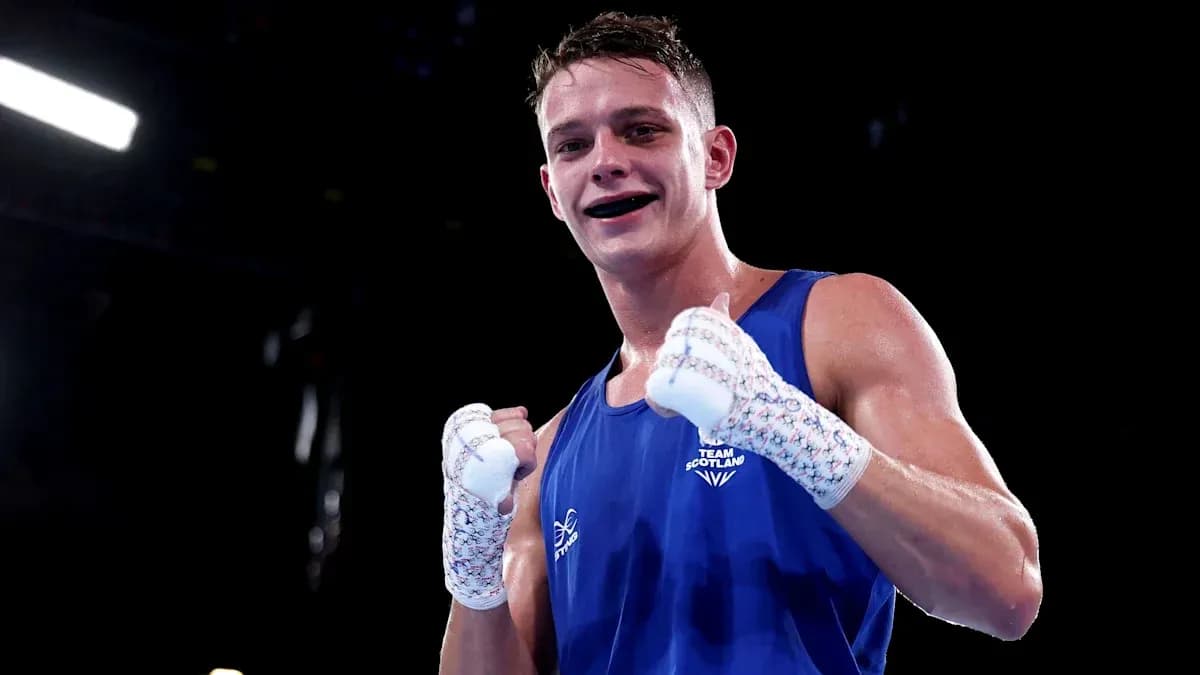
Sonny Kerr stands on the kind of crossroads every young fighter dreams about and dreads at the same time.
On one side, the glitter of the professional game. Money, profile, big nights under bright lights.
On the other, the Olympic rings.
For now, the 21-year-old from Aberdeen is turning his gaze firmly towards Los Angeles 2028.
Bronze in Glasgow, eyes on LA
Kerr returned from last month’s Commonwealth Games in Glasgow with a bronze medal in the 70kg division. It was the biggest stage he has boxed on, in front of a home crowd, with all the pressure that brings.
He didn’t leave satisfied.
Frustrated not to climb higher on the podium, he walked away with something else instead – confirmation that he belongs at that level, and a sharper sense of where he wants to go.
“I don’t want to peak at this, I want to keep really levelling up now,” he told BBC Scotland, a line that sounds less like a soundbite and more like a personal motto.
The temptation to turn professional is real. It always is for a young medal winner. Promoters call. Doors open. Cheques get waved.
Kerr hears the noise. He is not pretending it doesn’t exist. “There is a temptation to go professional of course if certain things align,” he admitted.
But there is another pull, stronger for him than the paid ranks right now.
The only Scot in the GB Olympic set-up
Kerr is currently the only Scottish boxer on the GB Olympic programme. That status matters. It’s hard-earned, and it places him directly on the road to the next Games.
As part of the GB Academy squad, he spends long stretches in Sheffield, grinding through the sessions that decide who survives in the Olympic system and who gets spat out.
“It is a hard programme to get on to, only the best get on,” he said. There is no bravado in that line, just the quiet pride of someone who knows how many didn’t make it.
Being in that environment is one thing. Being selected to walk into an Olympic arena in Team GB colours is something else entirely. That is the leap he wants to make.
“So the LA cycle is something I would like to stay on for and try and qualify for because that is once in a lifetime stuff really – to be an Olympian.”
That’s the core of it. The pros will still be there in five years. Los Angeles 2028 will not.
Big names, big standards
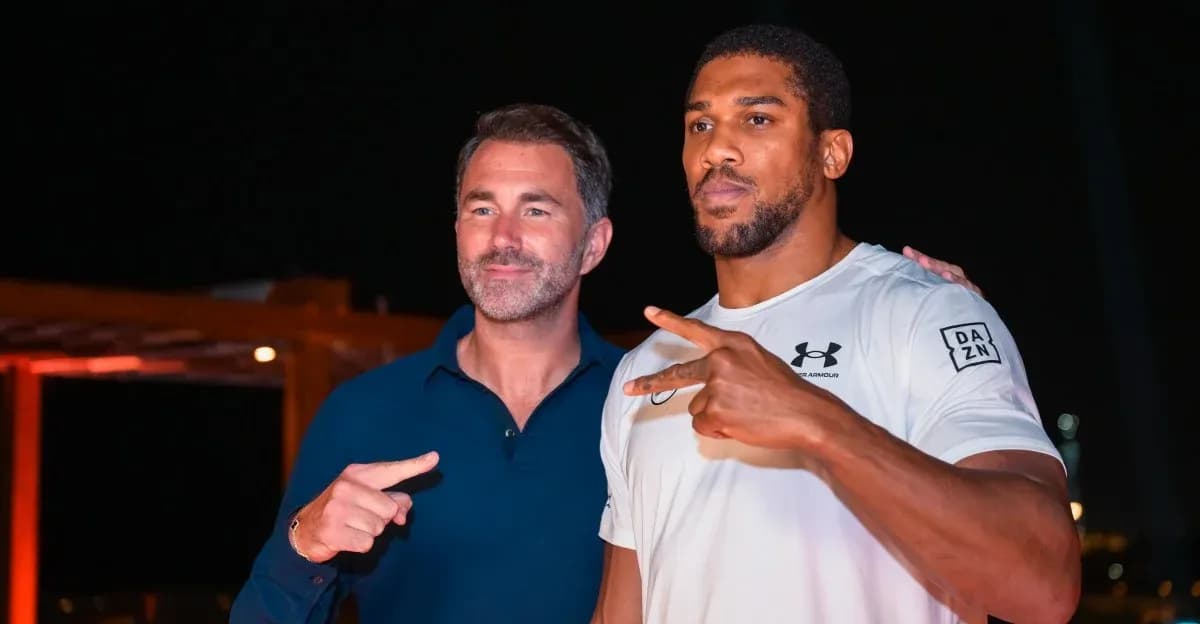
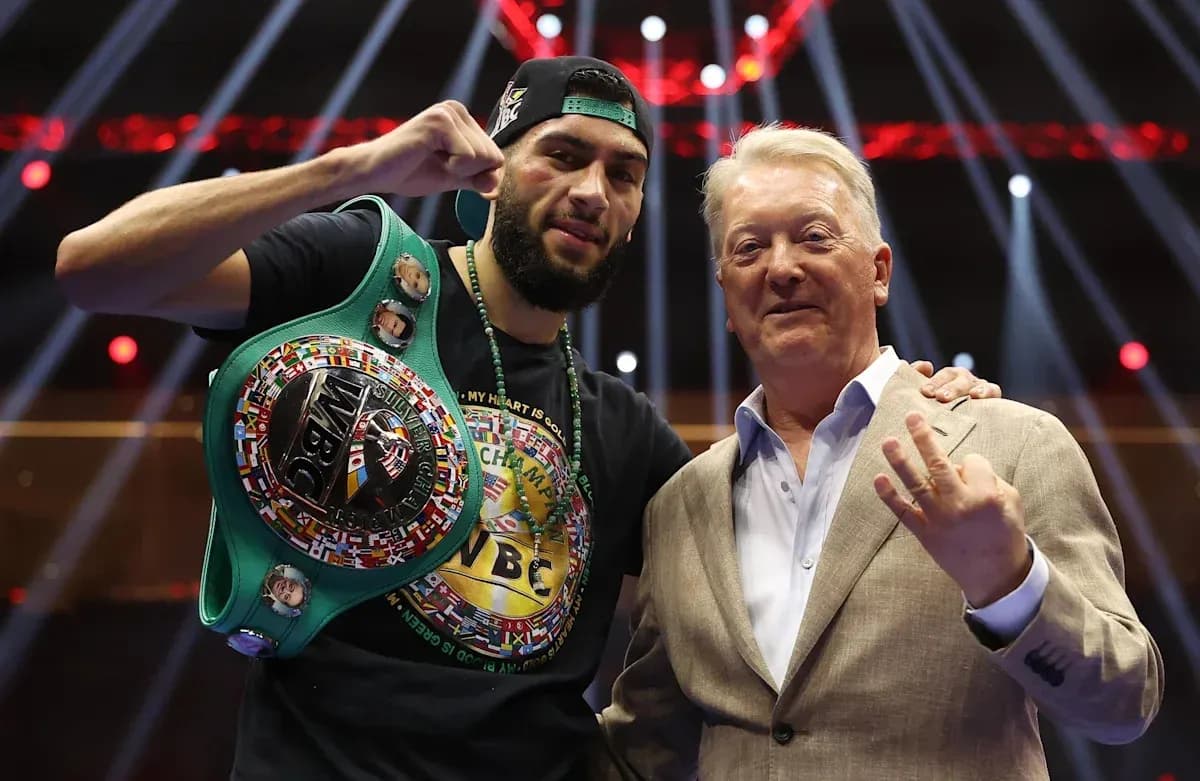
Kerr is not short on domestic inspiration. He talks about “big boots” to fill, and he names them: Josh Taylor, Anthony Joshua, Luke Campbell. Men who turned Olympic pedigree into serious professional careers.
He is a three-time Four Nations Elite champion, and he has done it at three different weights. That versatility underlines his potential and his willingness to go where the hard work takes him rather than where comfort lies.
“I have just kept plugging away and now hopefully I can reap the rewards,” he said. The phrase fits his journey: years of fights that did not go his way, nights when the decision fell the other way, tournaments where the breaks never came.
Now, finally, they are starting to tilt in his favour.
Composed under the lights
The Glasgow Games brought a different kind of examination. Not just of his skills, but of his temperament.
“That was probably the biggest stage I have been on,” Kerr reflected. The crowd, the expectation, the sense that every eye in the arena is locked on you.
“I have boxed in big tournaments before but it being in Scotland, with the crowd, all the eyes are on you boxing. I thought I was quite composed, I didn’t let it affect me.”
That composure might be the most valuable thing he took home. Medals can be counted. Nerves under pressure cannot.
“It gives me a lot of confidence, but it also lets you know the hard work is paying off,” he said. “Because there have been a lot of years, a lot of fights that haven’t gone my way in the past and when you do start to get a little bit of luck, and things go your way, you know it is for a reason so that gives you a confidence in itself.”
The words paint a familiar picture in elite amateur boxing: long stretches in the shadows, then a sudden burst into the light.
Kerr now finds himself there, standing between two paths. The professional game can wait. The Olympic dream cannot.
The next four years will decide whether he joins the list of British fighters who turned that dream into a defining line in their careers – or whether Los Angeles becomes the one that got away.