.svg&w=384&q=75 "logo")
Roberto Mancini's Bold Reset for Italy's National Team
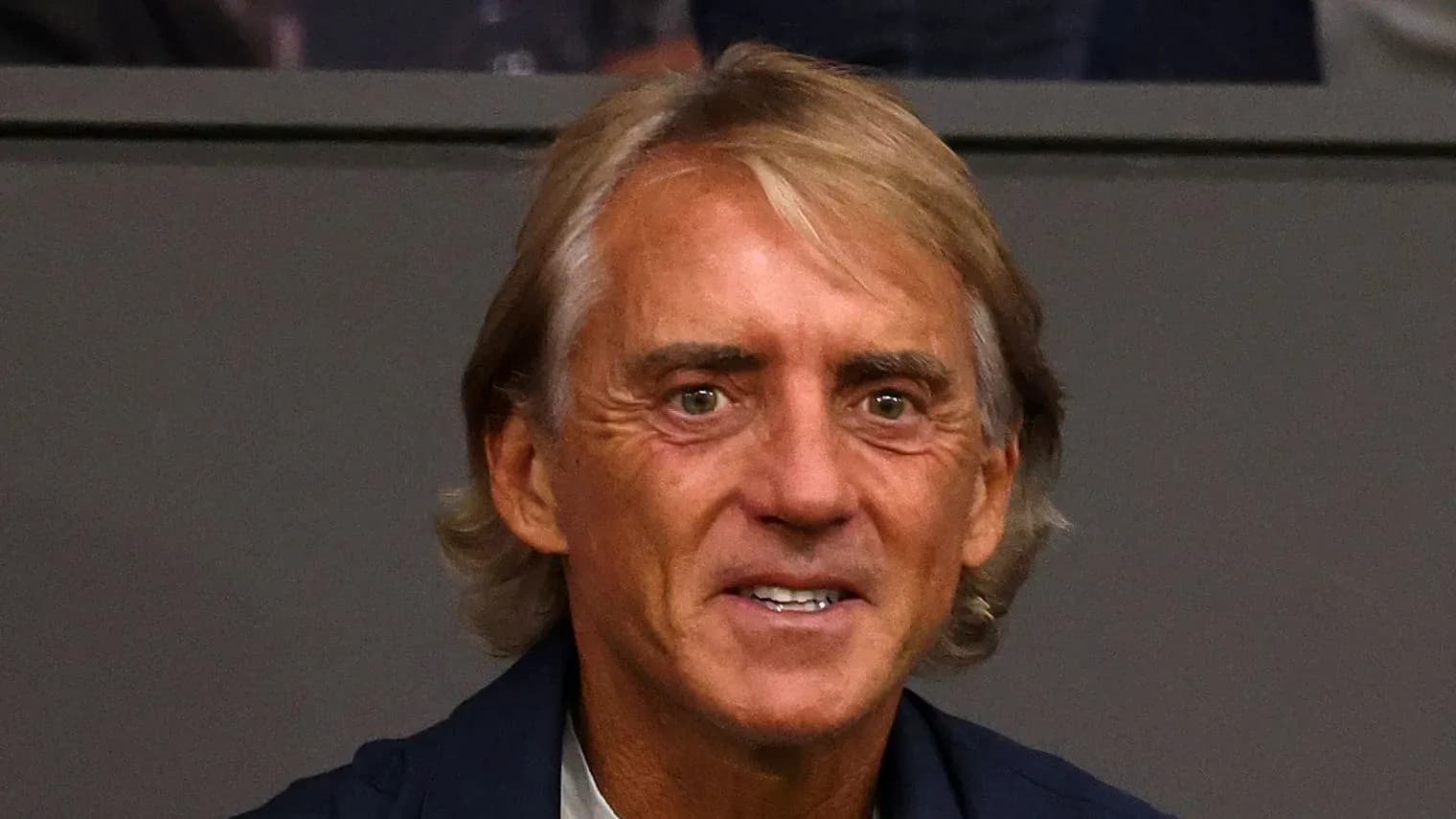
Roberto Mancini has wasted no time reminding Italy what his football looks like.
Barely weeks after returning to the Azzurri bench on a contract running to 2030, he has named a 34-man squad for a demanding Nations League block that will test both his ideas and his nerve. Four games in 11 days, two of them against Vincenzo Montella’s Türkiye, plus heavyweight meetings with Belgium and Zinedine Zidane’s France. This is no gentle reintroduction.
The new era starts at the Stadio Olimpico on Friday, September 25, when Italy host Belgium in Rome. By then, the message behind this list will already be clear: reputations no longer guarantee anything.
A bold reset
Mancini has ripped up the comfort blanket of continuity and gone for a sharp injection of youth and hunger. Nine players receive their first senior call-up, a striking number for a coach stepping back into a job under the weight of expectation.
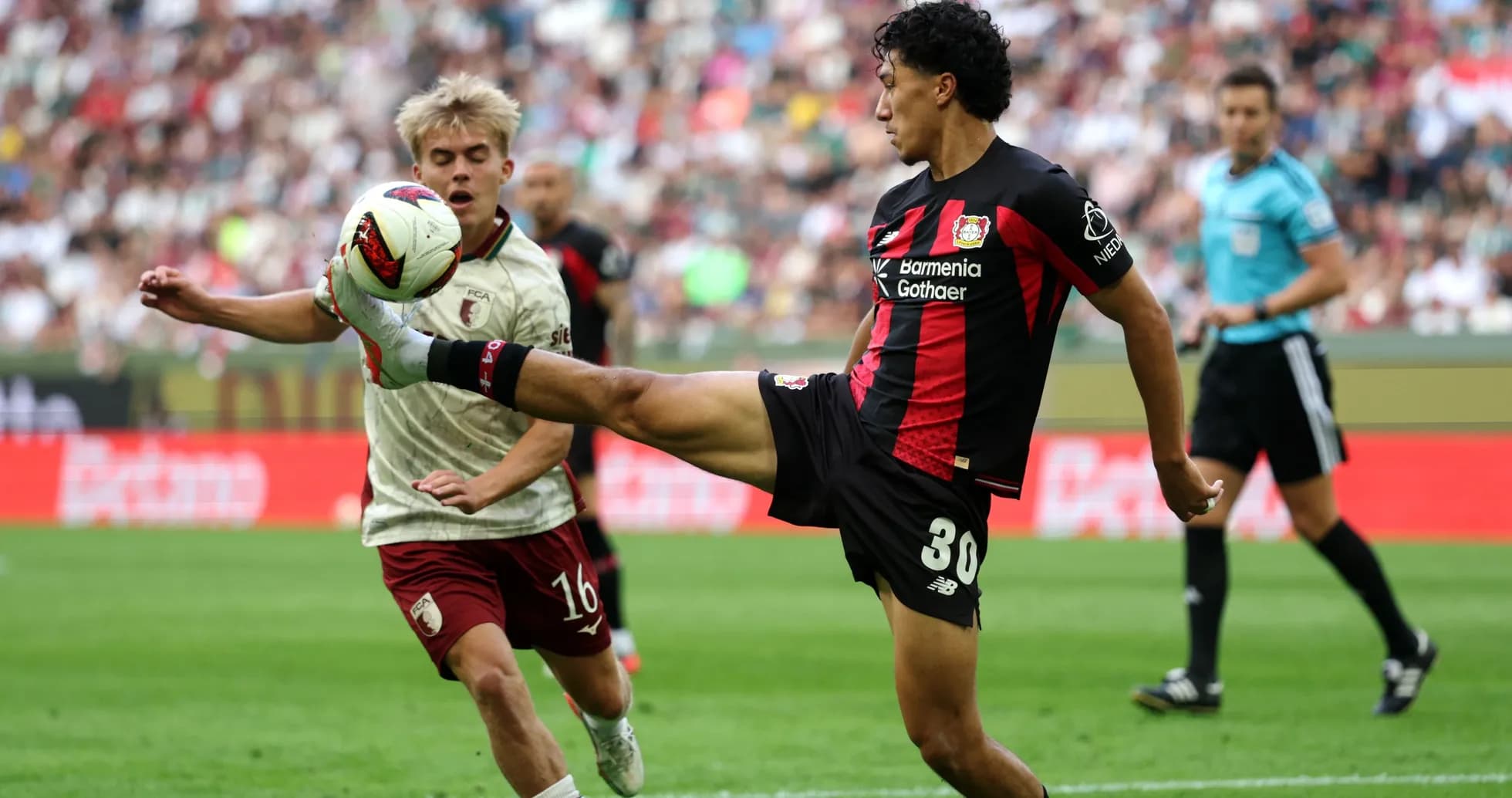
In goal, Bologna’s Massimo Pessina gets his chance to stake a claim in a department that has long been a pillar of Italian identity. At the back, Roma defender Daniele Ghilardi and Brentford full-back Michael Kayode headline a defensive refresh, joined by Monza’s Eddy Kouadio, who brings versatility across the back line.
The shake-up runs straight through midfield. Cagliari’s Alessandro Romano and Sporting CP talent Issa Doumbia arrive as fresh legs and fresh ideas, the kind of profiles Mancini has historically trusted to adapt quickly to his possession-based, aggressive style.
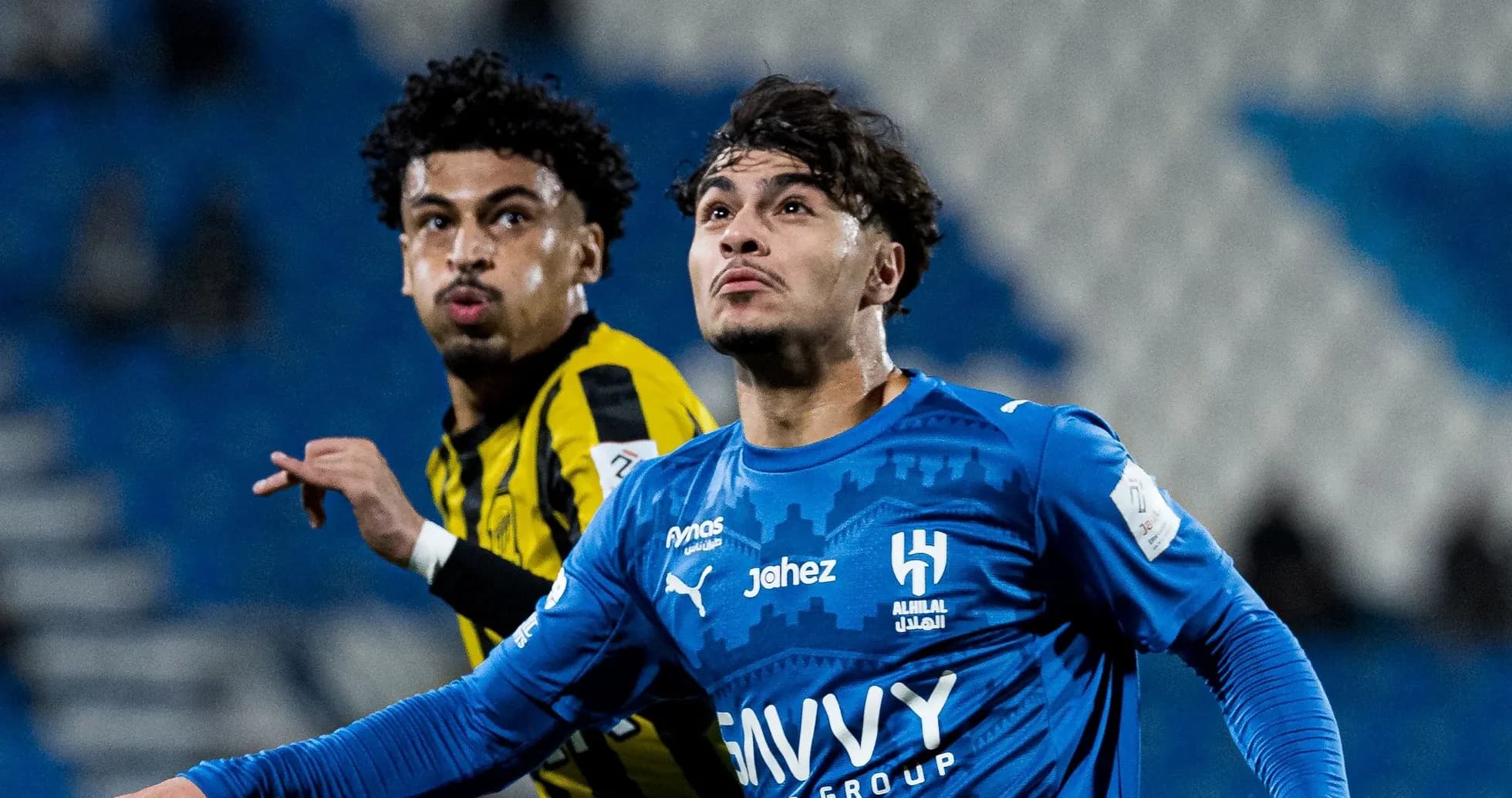
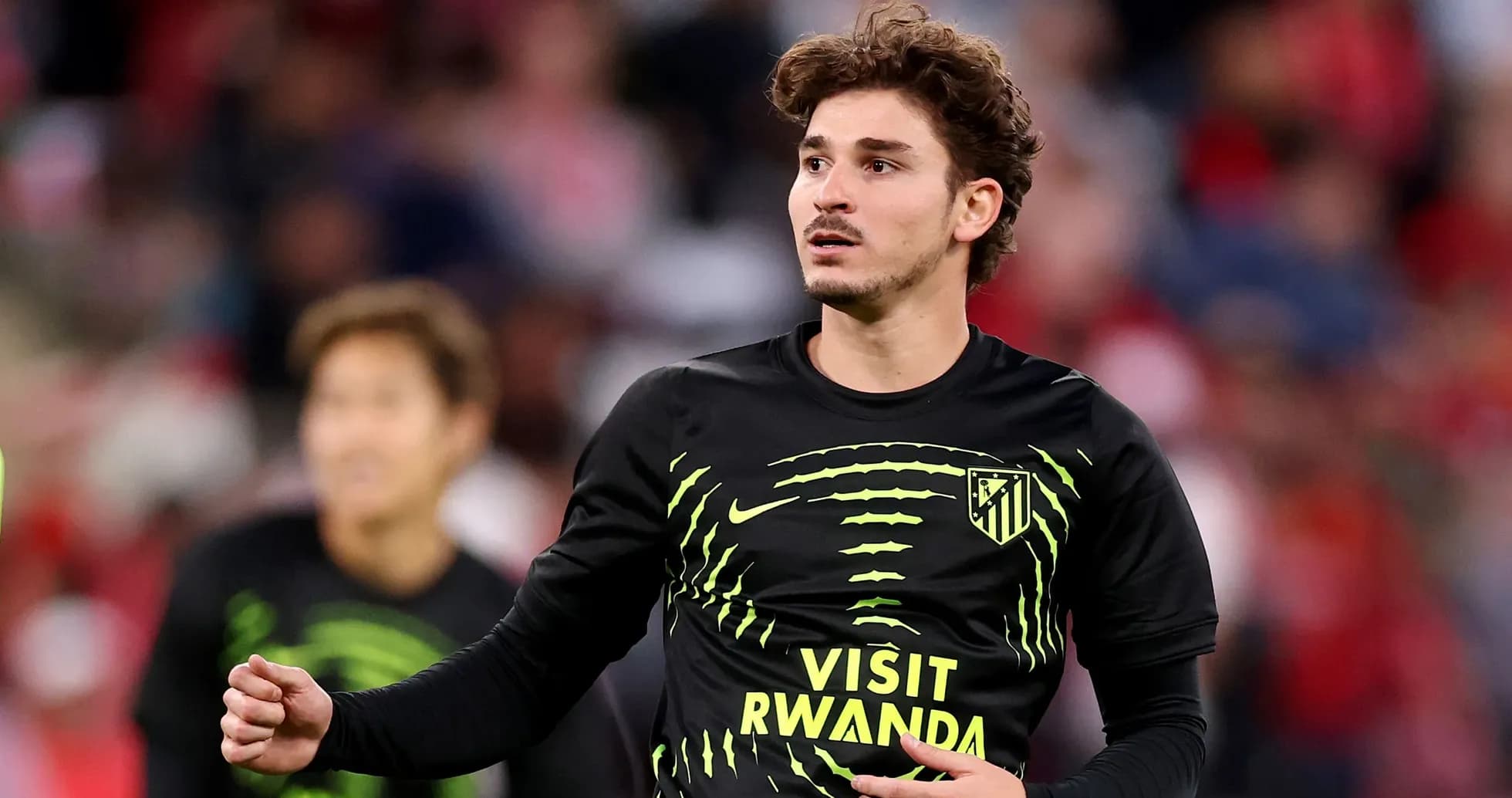
Up front, the coach has been equally ruthless. Sassuolo striker Sebastiano Esposito, Napoli forward Antonio Vergara, and Nurnberg’s Mohamed Ali Zoma are all drafted in to sharpen an attack that has too often relied on familiar names without consistent returns. It is a clear signal: Italy’s forward line is an open competition.
Trust and second chances
This is not a revolution built solely on new faces. Mancini has also chosen to reward those who impressed him in recent friendlies. Crystal Palace defender Honest Ahanor and Borussia Dortmund forward Samuele Inacio both keep their places, a nod to continuity amid the experimentation.
Then come the recalls that will stir debate.
Nicolò Fagioli and Nicolò Zaniolo are back in the blue shirt after long absences from the national setup. Neither has featured for Italy since October 2024, yet both bring qualities the squad has missed: Fagioli’s control and passing range in midfield, Zaniolo’s power and unpredictability in the final third. Mancini knows them well, and he is prepared to give them another stage.
Rolando Mandragora’s name jumps off the page for different reasons. The Torino midfielder has not played for the national side since March 2021, but now returns as one of the surprise inclusions. His recall underlines Mancini’s willingness to look beyond the obvious and trust players whose form and profile fit specific tactical needs.
Not everyone benefits from this reset. As expected, Chelsea defender Marco Palestra misses out. Still sidelined by injury and yet to make an appearance this season, he has been left out of the selection, a reminder that Mancini’s loyalty has limits when fitness is in doubt.
A brutal schedule, a clear test
The squad will assemble at Coverciano on Monday, September 21, where Mancini and his staff will have precious few days to blend debutants, returnees, and established figures into something coherent.
Belgium in Rome on September 25 opens the campaign. Then comes the first clash with Montella’s Türkiye on September 28, a meeting that will carry an edge given the shared Italian coaching background and the stylistic contrasts on show.
From there, the challenge ramps up. Italy travel to face Zidane’s France on Friday, October 2, a fixture that will measure not just tactical progress but temperament, especially for those experiencing international football for the first time. The window closes on October 5 at the Stadio Dall’Ara in Bologna, where Italy host Türkiye again in what could become a decisive game for momentum and mood.
Mancini has made his intentions plain with this list: no gentle transition, no half-measures. He has chosen risk, competition, and a deep squad overhaul at the very start of a long contract.
Now the question hangs over Coverciano and the Olimpico alike: will this bold reset give Italy the edge they have been missing, or expose just how hard it is to rebuild at full speed under the spotlight of the Nations League?