.svg&w=384&q=75 "logo")
Real Madrid Denies Claims of Flag Ban at Bernabéu
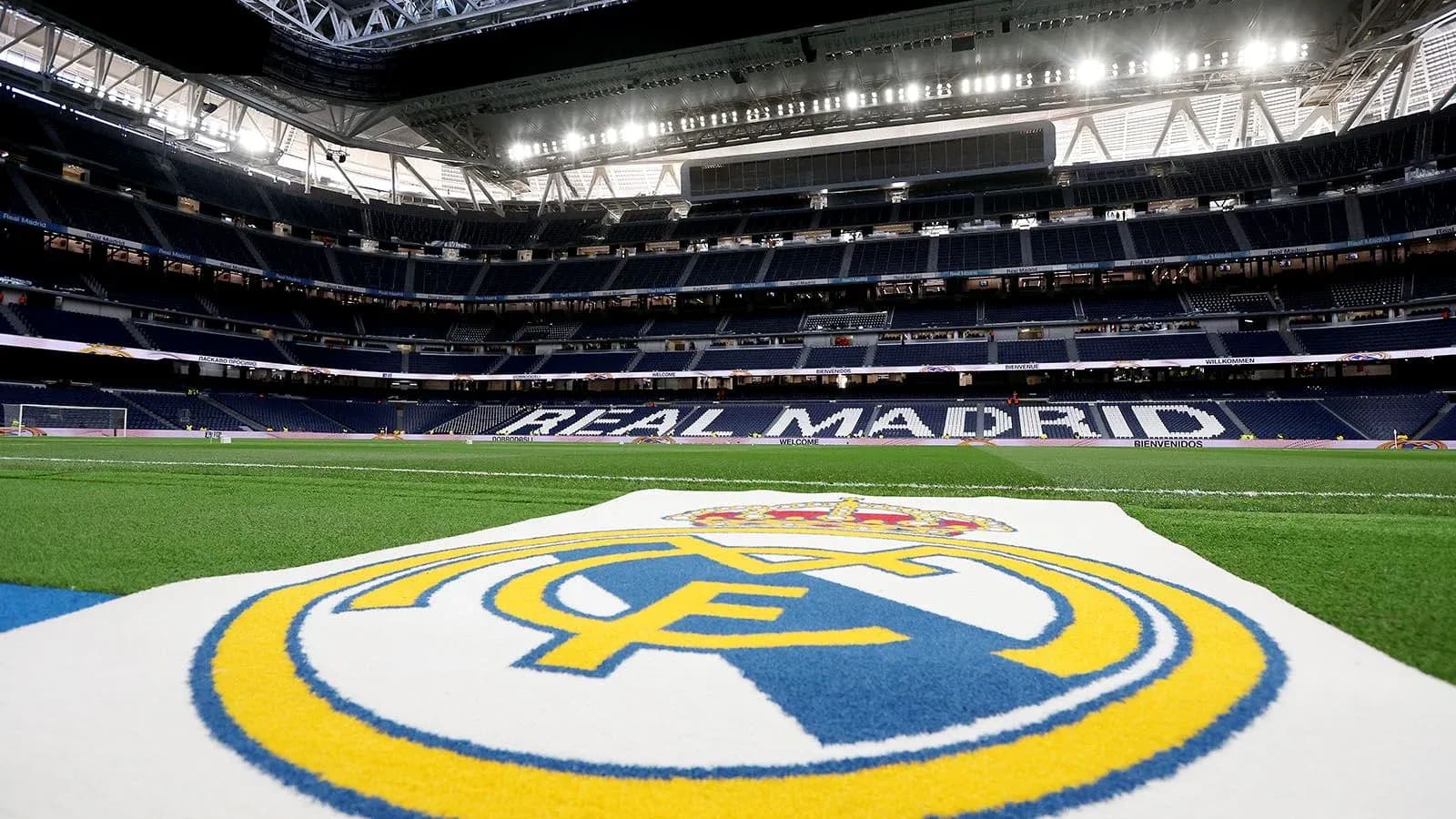
Real Madrid have stepped firmly into the political crossfire, issuing a sharp denial of claims that Spanish flags are being blocked at the Santiago Bernabéu.
On Monday evening, the club released a forceful Comunicado Oficial, determined to stamp out what it called misinformation circulating across social media, websites and even traditional news outlets. The accusation was simple but explosive: that Spanish flags, and those of Spain’s regions, were no longer welcome inside one of world football’s most iconic arenas.
The response from the Bernabéu was anything but vague.
The club branded the reports “entirely baseless” and stressed that no order has been given to prohibit the entry of Spanish flags or flags from any of Spain’s autonomous communities or cities. No grey areas. No qualifiers. According to Real Madrid, the story is not just exaggerated – it is flat-out false.
For a club that has long seen itself as a symbol of Spanish sporting identity, the stakes were obvious. Letting the rumour run risked driving a wedge between the institution and its own supporters at the start of a demanding season, when unity in the stands is as valuable as any summer signing. Madrid moved quickly, not only to defend their image but to reassure their fanbase that the colours they bring to the stadium remain part of the spectacle, not a problem to be policed.
The message was clear: official flags are not the enemy.
Real Madrid underlined that their internal security protocols and stadium rules are tied directly to Spanish legislation on public events and sporting fixtures. These are not ad‑hoc decisions taken in a boardroom to control fan expression, the club insisted, but measures designed to comply with national law.
In their own words, the regulations “adhere to the directives of current legislation” and “allow and have always allowed, without any restriction, the entry of all official flags of our country” into the Bernabéu. That includes the national flag and the regional banners that routinely colour the stands on matchdays.
Security checks will continue, of course. Bags will be searched, items inspected, as they are in every major stadium in Europe. But Real Madrid are adamant: those screenings are about safety, not silencing national or regional symbols, so long as the flags themselves meet official criteria.
The club’s leadership wanted to draw a line in the sand. They do not want the narrative around the Bernabéu to be dominated by administrative controversy or political suspicion at a time when the team is fighting on several fronts. The atmosphere, they stressed, remains central to what Real Madrid believe the stadium should represent: open, inclusive, and fiercely supportive of the team.
There are, they added, no “extraordinary” measures in place beyond what Spanish law already demands. No hidden directives. No quiet clampdown.
With the statement now out and the position unambiguous, Real Madrid will expect the focus to swing back to what happens on the pitch – and to a stadium where, as far as the club is concerned, the flags of Spain and its regions will keep flying as loudly as the songs from the Grada.