.svg&w=384&q=75 "logo")
Rangers’ Rising Roar: A Power Shift in Glasgow

Rangers have beaten Celtic twice in the space of a week and dragged themselves to within two points at the top of the Scottish Premiership. The league table says this is a title race again. The mood among Rangers supporters suggests something more: they feel the ground shifting beneath Glasgow.
A Rangers I can identify with
For Derek, this doesn’t feel like a brief surge. It feels like a turning point.
“It’s the beginning for Rangers and the beginning of the end for Celtic,” he says, leaning into the sense that something fundamental has changed. He talks about confidence welded to work rate and physicality, about a side that finally looks like the club he grew up with: direct, powerful, relentless, tightly bound to each other and to the crowd.
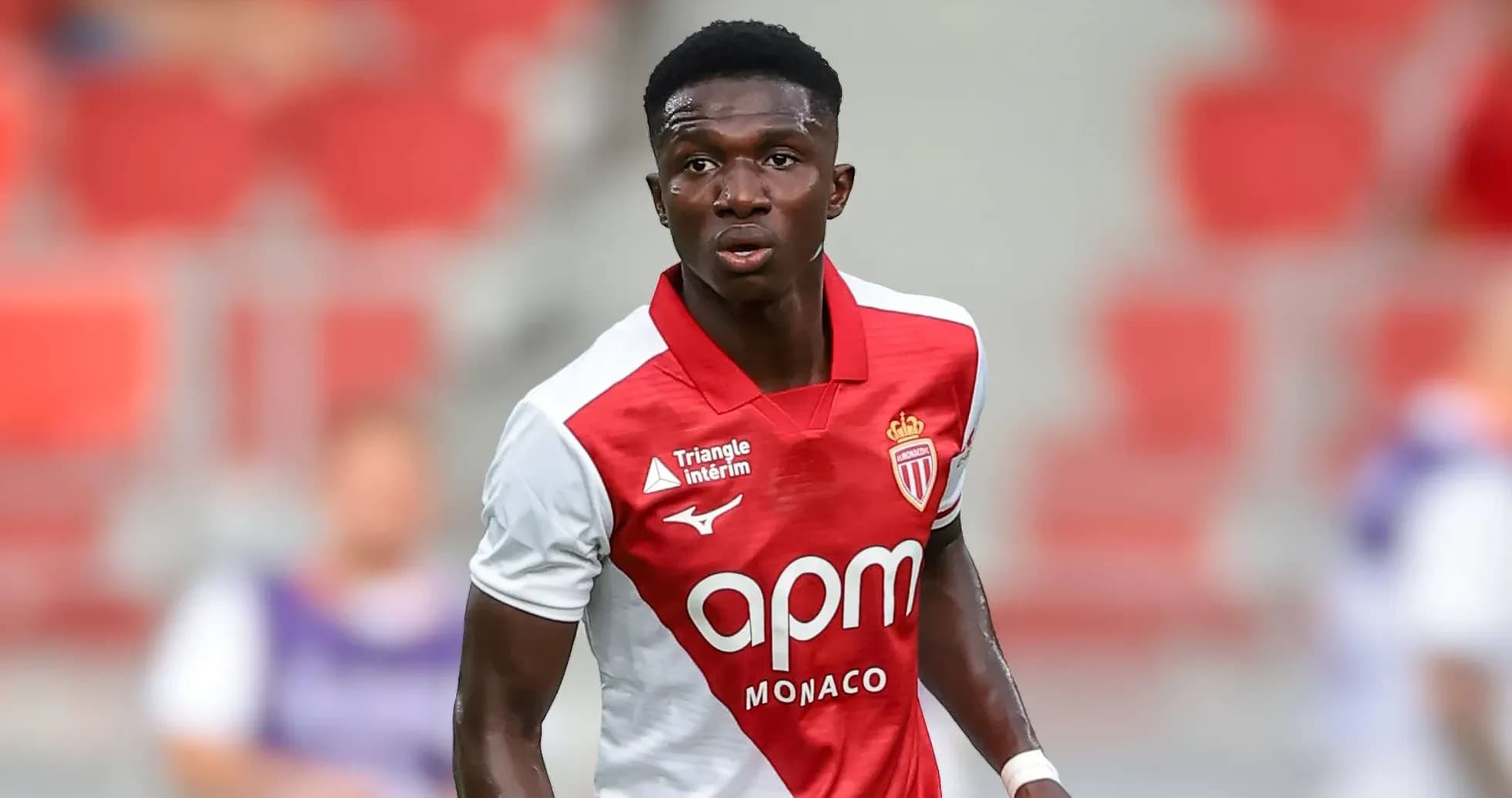
Ryan Naderi, in his eyes, is the embodiment of that new edge. The forward has become the standard-bearer for Derek McInnes’ message – aggressive running, constant movement, no hiding. Alongside him, Olwethu Makhanya is already being hailed as an “incredible signing”, unflappable in the biggest of fixtures.
This isn’t just praise. It’s recognition. Supporters see traits they’ve been demanding for years.
Parkhead silenced, belief amplified
Louise admits she doubted whether lightning could strike twice after last weekend’s win. Then Rangers walked into Parkhead and imposed themselves again.
Makhanya and Naderi, once more, were central to it. Dan Neil, she felt, “controlled the midfield”, dictating tempo and forcing Celtic to chase the game rather than shape it. Dujon Sterling, so often on the periphery since arriving at Ibrox, produced what she calls his best performance in a Rangers shirt.
The scoreline stayed narrow, but the dominance did not. Louise is convinced it could have been “a cricket score” with sharper finishing and a touch more composure in the final third. One goal, though, did the damage. One goal was enough to drain the noise from Parkhead and replace it with the roar from the away end.
Her verdict on this team is telling. She sees a side that has “grown up very quickly”, a group that now understands its own ceiling – and how far above Celtic it can reach on the right day. The key, she insists, is patience with McInnes. He has “made his mark” as Rangers manager. Whatever comes next, she believes he has earned the right to build.
Midfield engines and tactical questions
Sally’s focus drifts to the middle of the park, where Rangers have started to win these games before the goals arrive.
Last week, she says, it was Dan Neil who ran the midfield. This week, it was Nico Raskin. Different name, same outcome: Celtic overrun in the engine room, unable to dictate rhythm or territory.
Up front, Naderi again stood out for her, leading the line with authority. Djeidi Gassama, too, caught the eye, denied only by misfortune when his effort on goal came so close to adding gloss to the scoreline.
What surprises her most is what didn’t change. McInnes stuck to his plan, trusting the structure that had worked in the previous meeting. Celtic, she notes with a shake of the head, seemed not to have learned enough from that first defeat. The same problems reappeared. Rangers punished them again.
Makhanya wins over the doubters
Chris offers a different angle: the conversion of a sceptic.
He wasn’t convinced by Makhanya when the defender first arrived. The adaptation, the pressure, the demands of this fixture – all fair doubts. Then came this performance, which he likens to “a kick about in the back garden with the kids” for the South African, such was his composure.
The disallowed goal only deepened the impression. The finish, he says, was “absolutely stunning” – the sort of strike that would live long in the memory had it stood. Even scrubbed from the scoresheet, it added to the sense of a player utterly at ease in the heat of an Old Firm battle.
A rivalry reset?
Two wins in a week do not decide a title. They do something else, though. They alter belief.
Inside Ibrox, there is a growing conviction that this is not a brief spike but the start of a new phase: a harder, sharper, more streetwise Rangers side that knows how to hurt Celtic and is no longer afraid of the stage.
Celtic still lead the league. They still hold the advantage on paper. But in the minds of Rangers supporters, that gap feels smaller than two points.
The question now is not whether Rangers can compete. It’s whether this surge under McInnes becomes the moment the balance of power in Glasgow truly starts to tilt.