.svg&w=384&q=75 "logo")
Oxford United Pulls Controversial ‘United 93’ Apparel Line
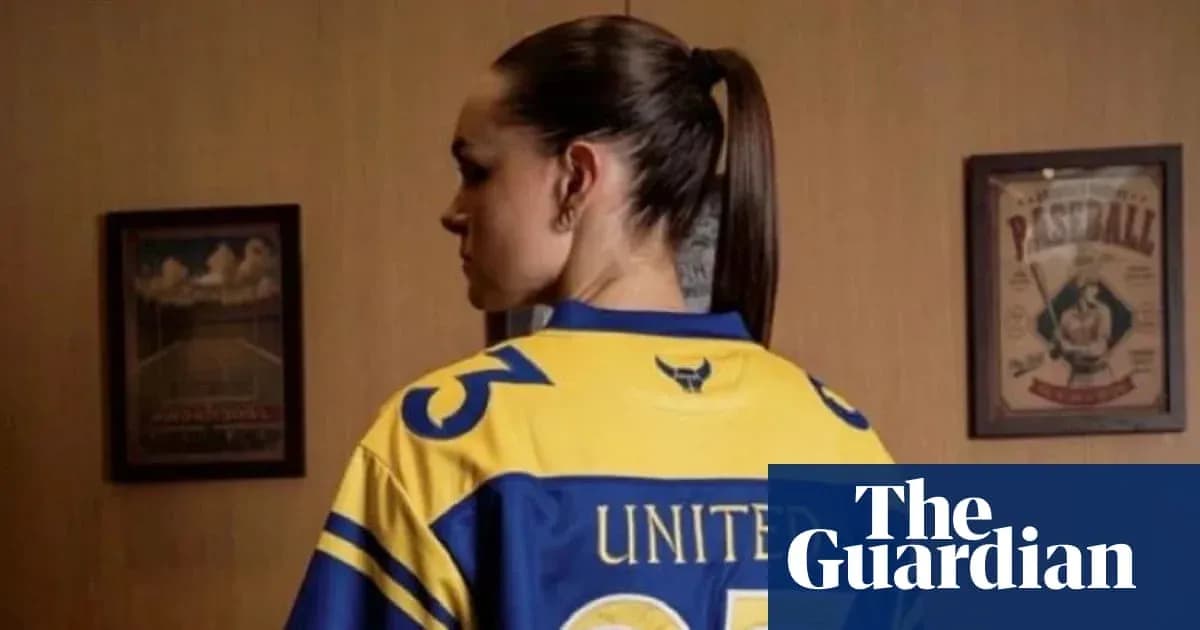
Oxford United’s attempt to tap into American sports culture lasted barely two hours on Friday, collapsing under the weight of a slogan that should never have made it past the first draft.
The League One club unveiled their new “Campus Collection” in the morning, a US-inspired line trailed as a fresh, college-style look for fans. By lunchtime it had vanished from sale, hurriedly scrubbed from the club’s online store once staff realised that a key design element carried a devastating association with the 9/11 terror attacks.
Key Design Element
At the heart of the storm was one phrase: “United 93”.
The range, pitched as “inspired by the style and culture of American sports”, included an NFL-style shirt emblazoned with “United 93” across the chest. Internally, the number was intended as a nod to Oxford’s founding year, 1893. Externally, to anyone familiar with modern history, it was something else entirely.
United 93 was the designation of one of the four passenger jets hijacked by al-Qaida terrorists on 11 September 2001. Passengers on that flight mounted a desperate revolt that stopped the hijackers from reaching a government target in Washington DC. The plane crashed into a field in Pennsylvania, killing all 44 people on board. The story later became the subject of the film “United 93”, cementing the flight number in public consciousness.
That context had either been missed or not fully understood during the design and approval process at Oxford. The club had originally planned to launch the Campus Collection on 11 September this year, which will mark the 25th anniversary of the attacks that killed nearly 3,000 people. Concerns over sensitivity led to the date being pushed back.
Backlash and Apology
The change of timing did not prevent the central problem.
Once images surfaced on Friday of models wearing the “United 93” shirt, the backlash started. The club reacted quickly, pulling the entire range and issuing an unreserved apology that acknowledged a complete failure of due diligence.
“The range was released without understanding of the historical context and associations,” read a stark club statement. “It should not have reached the point of sale and we take full responsibility for not undertaking proper due diligence.
“We have removed the collection with immediate effect and are reviewing our approval processes to ensure nothing like this happens again. Once again, we would like to put on record our sincere apologies for this error and any offence caused.”
The Campus Collection page disappeared, leaving only screenshots and social media images to tell the story of a marketing idea that unravelled almost as soon as it went live.
Supporter Reactions
Reaction among Oxford supporters was split between anger and reluctant sympathy. On the Yellows Forum, one fan described the episode as a “monumental cock-up that I would expect to be sacked for if I’d signed off on it”. Another poster took a more forgiving line: “Whilst not ideal … everyone who sees this realises there’s no malicious intent. Ultimately there was just no consideration to it at all.”
That lack of consideration now sits at the centre of Oxford’s internal inquest. In an era when clubs operate as global brands and every design is one screenshot away from worldwide scrutiny, the margin for error has shrunk to almost nothing.
Oxford United have promised new checks and tighter approval processes. The next time they try to borrow from American sports culture, they will know that a simple number on a shirt can carry a history that stretches far beyond the touchline.