.svg&w=384&q=75 "logo")
O'Reilly's Journey to Manchester City's First Team
Breaking into Manchester City’s first team is a dream many share and almost none realise. At that level, talent is a basic requirement, not a differentiator. The real test comes in the shadows: in the tactical meetings, the double sessions, the nights you say no when everyone else your age says yes.
For O'Reilly, that test has already produced a defining chapter. Last season, the 21-year-old left-back didn’t just break through; he tore the door off its hinges. His performances surged to the point where he walked away with the PFA Young Player of the Year award, confirmation that he now sits among Europe’s most exciting young defenders.
It felt like a sudden rise. It wasn’t.
Guardiola’s blunt message
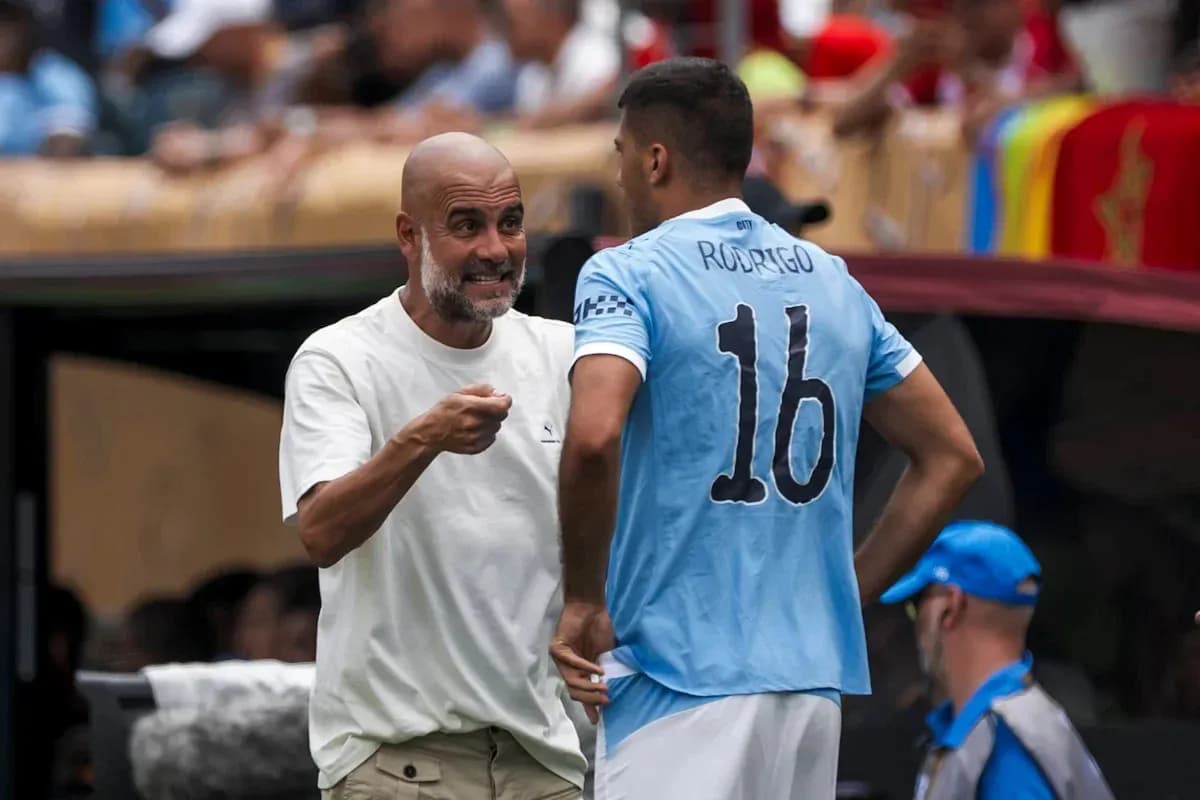
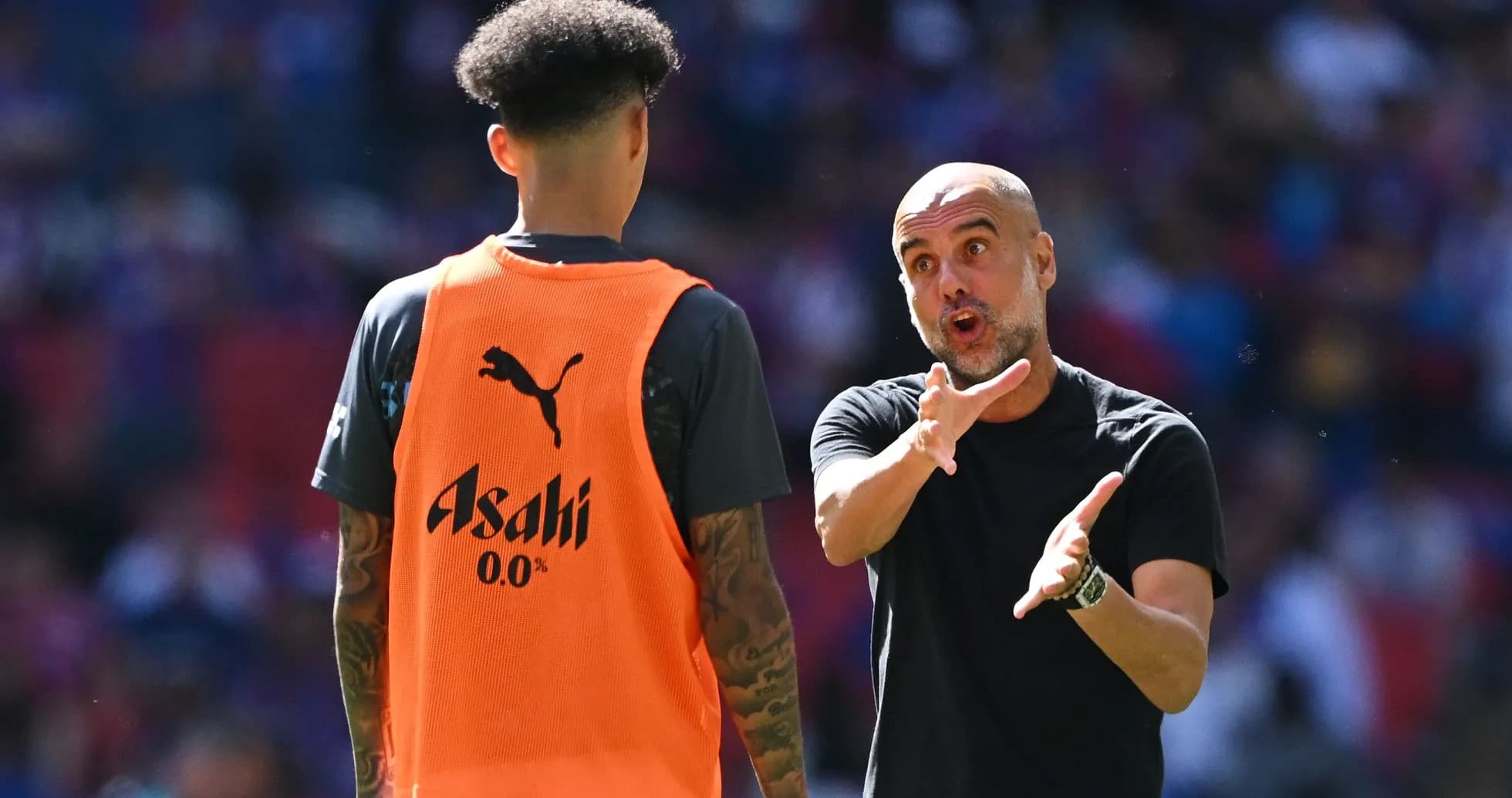
Under Pep Guardiola, there is nowhere to hide. Technical quality will get you in the room at City, but it will not keep you there. O'Reilly learned that quickly.
Speaking on the Beast Mode On Podcast with Adebayo Akinfenwa, he laid bare the moment his game changed. Guardiola’s assessment cut straight to the point.
“When I first came through he said; ‘On the ball, no problems, but off the ball you need to be more aggressive. More hungry. More desire’,” O'Reilly recalled. No sugar-coating. No gentle easing-in. A direct challenge.
He took it personally, in the best possible way. The message forced him to confront the gap between academy promise and elite reality. Aggression. Hunger. Desire. Those weren’t just buzzwords; they became the pillars of his development.
“That’s something I picked up and that’s what helped me get to where I was last season and the trust he had in me. I think that was the biggest lesson he gave me,” he said.
The pressure finally told in his favour. The young full-back who once relied on his composure and technique began to relish the ugly side of defending: the duels, the sprints, the body-on-the-line blocks that win managers’ trust and keep you in the XI.
Sacrifices that started long before City
By the time Guardiola delivered that reality check, the foundations had already been laid. O'Reilly’s route into Enzo Maresca’s current City squad did not begin on Premier League pitches or under the glare of TV cameras. It began in quieter, lonelier places.
He spoke candidly about those early years, when the choice between being a normal teenager and a future professional stopped being a choice at all.
“In the school days, when you were younger, 14, 15, even a bit younger than that. Your friends would go out to parties, hang around out late and you kind of have to not go and say; ‘I can’t go, I’ve got training’,” he said.
That line — “I can’t go, I’ve got training” — became a constant refrain. While friends stayed out, he went home. While others drifted through weekends, he lived by curfews and schedules. It was the quiet, unseen discipline that underpins every “overnight success” story.
“That was one of the sacrifices, growing up different to everyone else. Throughout my whole life and career I’ve just dedicated everything to football. You don’t grow up as a normal kid,” he added.
You hear that a lot from players at the very top. With O'Reilly, it doesn’t sound like a complaint. It sounds like an explanation for the edge he now plays with.
Facing Messi and spotting the next one
Those sacrifices have dragged him into a world very few ever reach. He now defends against the best attackers on the planet, and one name still stands apart.
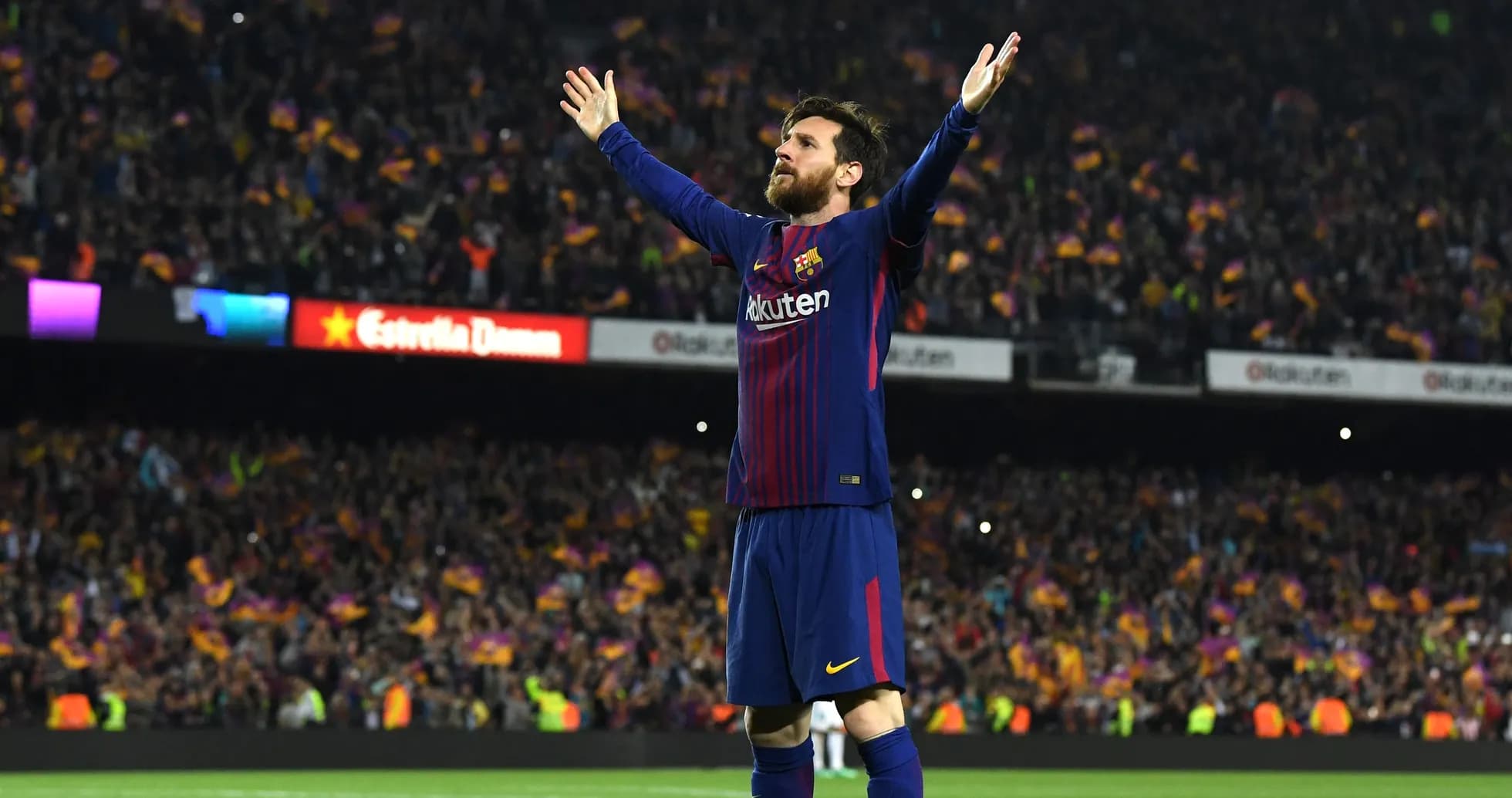
Lionel Messi, he says, is the toughest opponent he has faced. No surprise, perhaps, but still a measure of how far he has come: from skipping parties to trying to stop the greatest of all time.
His eye for talent now extends beyond his own dressing room as well. Looking ahead, O'Reilly picked out Liverpool youngster Rio Ngumoha as one to watch, backing the teenager for a huge 2026-27 campaign and calling him “very, very special.”
Coming from a player who has lived every step of the grind, that kind of endorsement carries weight. The path is brutal, the standards unforgiving. O'Reilly has walked it, and he is still climbing — proof that, at Manchester City, technical ability opens the door, but mentality decides who stays.