Marseille's Crisis: From Champions Project to Ligue 2 Project?
The banners went up long before the first whistle. By the time PSG had finished the job on the pitch, the message from the stands was even louder.
At the Stade Vélodrome on Sunday, Marseille’s supporters turned Le Classique into a trial of their own club’s hierarchy. A 2-1 home defeat to Paris Saint-Germain deepened a sporting crisis; the mood in the stands turned it into something far more combustible.
“Champions Project” to “Ligue 2 Project?”
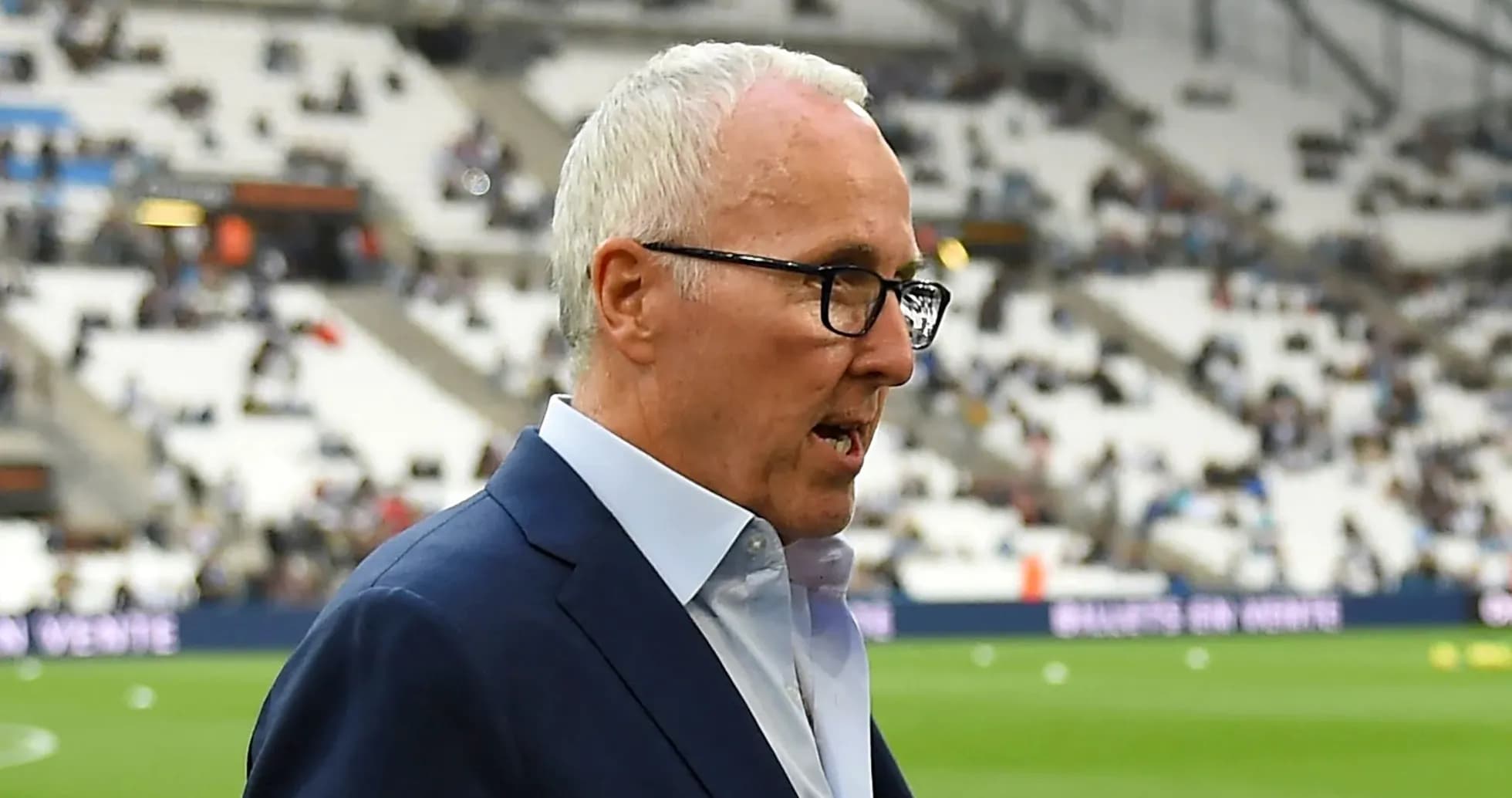
The target was clear: American owner Frank McCourt. Hostile banners were draped across the Vélodrome, the most cutting of them all reading: “2016: Champions Project. 2026: Ligue 2 Project? McCourt Out.”
It was a brutal summary of a decade’s worth of frustration.
When McCourt arrived in 2016, fresh from his time with the Los Angeles Dodgers, he spoke of returning Marseille to the summit of French football and back among Europe’s elite. The “Champions Project” came with a declared €200 million investment over four years and the promise of a modern, ambitious OM.
Money was spent. Players came and went. Stability never did.
The defeat to PSG was more than a lost grudge match. It marked Marseille’s fifth consecutive loss in all competitions and, astonishingly, the first time in their history they have dropped four of their opening five games in a top-flight campaign. For a club that still sees itself as a giant, these are not just bad results; they are an affront to identity.
From kings of France to chasing shadows
Older Marseille fans remember a very different reality. In the late 1980s and early 1990s, OM ruled French football. Titles piled up. Big names arrived. The Vélodrome felt like the centre of the domestic game. In 1993, they did what no other French club has done before or since: they lifted the Champions League.
That star still sits above the badge, but it feels further away with every passing season.
The rivalry with PSG was born in that era, when Marseille were the power and Paris were the pretenders. Now the balance of power has flipped so dramatically it barely resembles the old fight. Since the 2011 Qatari takeover, PSG have turned financial muscle into sustained dominance at home and, more recently, into back-to-back European crowns. They are the modern superclub, the symbol of the new order.
Marseille, by contrast, have not won Ligue 1 since 2010. Their last trophy of any kind is the League Cup, back in 2012 – a competition that no longer even exists. Every Le Classique now serves as a harsh reminder of the gap that has opened up, not just in finances but in footballing relevance.
On Sunday, that gulf felt wider than the scoreline.
A club squeezed dry
The current crisis did not arrive overnight. A chaotic summer stripped away what little optimism remained.
Failure to qualify for the Champions League hit the club where it hurts most: the balance sheet. Without that revenue, the board went into the transfer window handcuffed. The result was stark – no new signings, no fresh energy, no injection of quality.
New head coach Bruno Genesio walked into a job that looks less like a project and more like a salvage operation. His squad is thin, his options limited, his margin for error almost non-existent. Tactically, he has little room to manoeuvre; structurally, he is working with a group that has already been stretched to breaking point.
Genesio’s appointment was supposed to signal a reset. Instead, he finds himself managing a team sliding into unwanted history, with a fanbase that has moved past patience and into open revolt.
Pressure on every front
Five straight defeats. A historically poor start to the league campaign. A stadium that once terrified opponents now turning its fury inwards.
McCourt’s ownership, once sold as a long-term vision, stands at its most fragile moment. The “Champions Project” slogan, once painted as ambition, has become a punchline on homemade banners. The question now is not how high Marseille can climb, but how far they might yet fall.
Genesio must somehow halt the collapse with a squad that has not been reinforced and a club that cannot afford more failure. The next result is no longer just about points; it is about calming a city that lives through its club and now feels betrayed by it.
Marseille have stared down crises before and found a way to roar back. This time, with the stands raging, the squad depleted and the owner under siege, the response will define far more than a season.