Manchester United's Struggles: Tactical Questions and Team Unity
The view from Como told its own story.
Manchester United, flat again, conceded early again, and trudged off again with another result that darkens an already bleak start to the season. But the 90 minutes in Italy were only half the drama.
For the second week running, a senior player walked through the mixed zone and lit a fuse. After Lisandro Martinez had questioned the club’s direction and ambition, this time it was the captain, Bruno Fernandes, who stepped in front of the cameras and went straight for the tactics and the work of Michael Carrick and his staff.
The games, the performances, the interviews – it all built to one moment on Friday afternoon, when Carrick sat down in front of the media and delivered an extraordinary five‑minute monologue. No deflection. No soundbites. Just a manager clearly stung, talking about humility and humbleness, hinting at qualities he does not see enough of at Carrington.
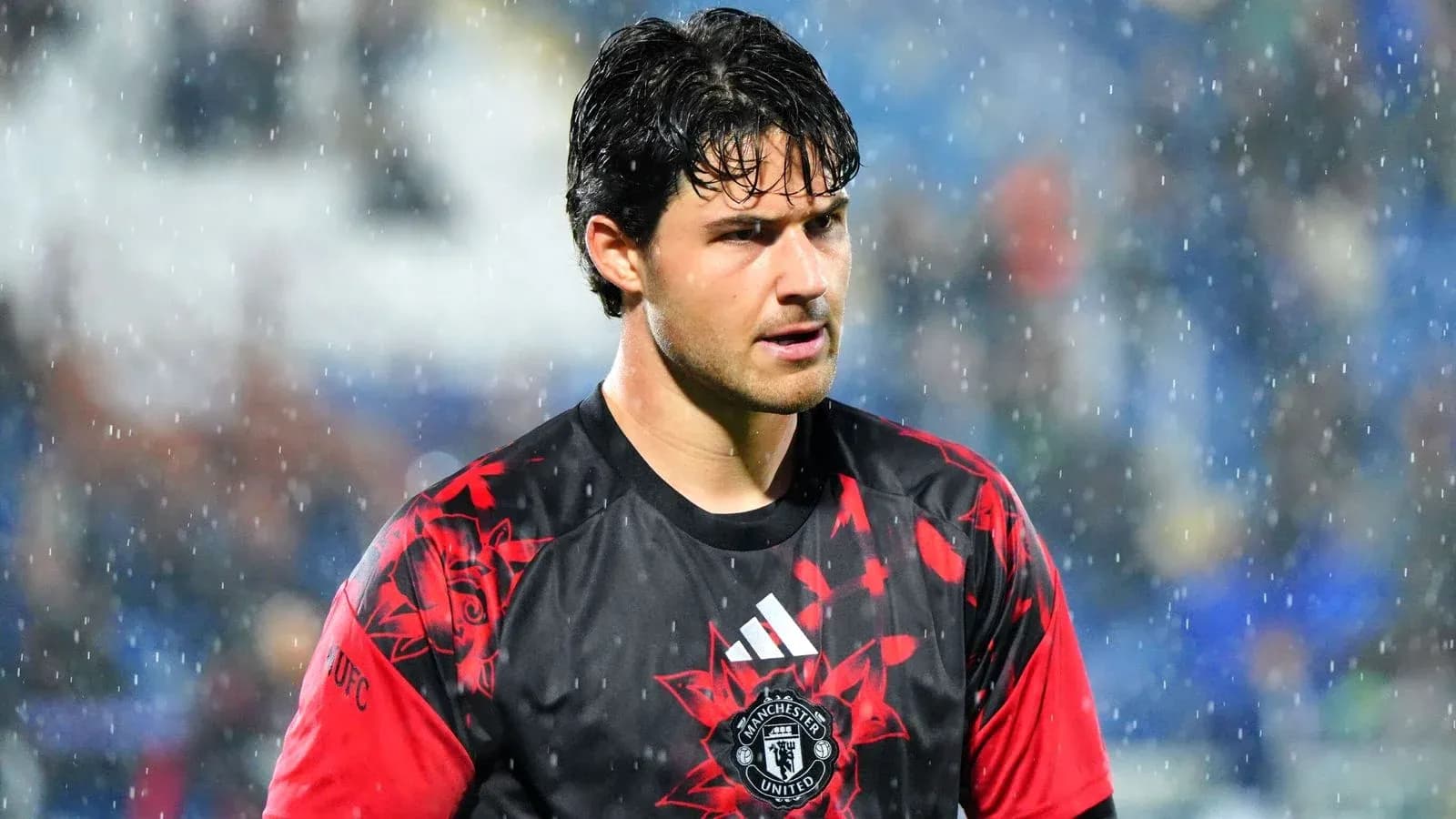
So when United’s No 1, Senne Lammens, sat down for an interview, there was only one place to begin.
“Is this changing room united?”
"For me personally, I think it is," Lammens said.
It was a calm answer in a week that has been anything but. He acknowledged the frustration that spills out after games, the words said in the heat of defeat that do not always land as intended.
"I think it's easy to see maybe after a game when players are very frustrated, and I get it, I'm very frustrated as well because we all really want to do better and we all want to win and then we might say sometimes things we don't really mean or fully explain what we mean.
"Of course, the people at home can't see that, so we need to also try to look like that when we are on the pitch in the weekend, but I can assure you that we're doing everything we can and we're all together behind the coach, as a staff, players, front office.
"Everyone knows, of course, they have to do better, but I think we are united and we are trying to get better as a team and together."
United’s football is telling a different tale at the moment. Once again in Como, they started as if they were still in the dressing room. They conceded inside the opening minutes, as they did 60 seconds earlier against Atletico Madrid the previous week. Fulham and Spurs either side of the international break followed a similar pattern.
Different opponents, same wound.
The numbers are brutal: only one clean sheet all season, and that against Sabah on September 10 in the Champions League. For a club built on control and authority, they are living in constant jeopardy.
"It's difficult," Lammens admitted.
"We have to learn from that as well fast, because you can try to come up with plans and tactics, but if you get a goal against in the first or second minute, it kind of screws up a little bit your game plan and you're kind of chasing the game from then on.
"That's probably one of the biggest things we need to work on right now is to keep ourselves in the game and to try and get that first goal ourselves, instead of being 1-0 down straight away.
"I get people thinking it's an easy fix, or like, why don't you just try harder or something like that?
"Trust me, we are trying harder every day and trying to come up with a solution, but sometimes when it's not going your way, everything falls into place for the other team.
"You only need one performance to turn it around, and I think that's what we're trying to aim for and what we're working really hard on right now.
"As you mentioned, it's very easy to have narratives or stories and headlines and something that's been targeted at the team as well."
Narratives, tactics and a slide into trouble
There have been plenty of narratives this season. Lazy ones, wild ones, and some that cut uncomfortably close to the bone.
After Wednesday’s defeat, it is hard to argue with the harshest assessments. United are on their worst run since 2014-15: seven games without a win in all competitions. The slide is no longer a blip. It is a trend.
Carrick has often stepped in front of his players, protecting them when performances have lacked spark. Como was different. He admitted they came up short in the very areas that had defined his first months in charge: aggression, intensity, running.
Those three words were the pillars of last season. They underpinned wins over Chelsea, Arsenal and Manchester City. They gave this group an identity.
So what has changed?
Lammens has felt the shift on the pitch.
"Last season I felt like, playing-wise, maybe we played sometimes better this season, but last season everything just clicked and went the right way for us.
"We struggled as a team together when they pressed us, but we didn't concede that many goals, and then I think as a counter team a bit more last season we did really well, but you also know, I think everybody knew that we had to improve as well from that, that teams were going to change the way they played against us.
"So that's why we had to evolve this season and in preseason, we tried to do some different things to get us in the best position to win games.
"I think we need a little bit more like last season, the way we fought together, even when it wasn't going the best and just trying to fight as a team and defend as a team, I think that's probably something we need to try to get back to."
There it was again: fight. A word that used to define this side, now used to describe something they have lost.
The fine line United can’t find
Lammens did not dodge the awkward questions. In a week when senior players have publicly added pressure to the staff, his willingness to explain the dressing room’s view felt striking.
He knows what the supporters at Old Trafford are asking. Where has the fight gone? Where is the edge that dragged them into the Champions League places last season?
"I get it, I see people talking about numbers and maybe stats and data, I'm not sure about that, because every game is a little bit different," he said.
"I think, like I said, with the ball we try to do a bit of different things, try to improve, because last season we weren't always the best with the ball. I think we have improved in those sort of things, but maybe the mindset of having the ball and trying to play around has that mindset of when you don't have the ball and try to fight for it the way we did last season.
"We need to get a bit of both. It is a fine line, to be honest, that aggressiveness. When you don't have the ball and when you have the ball, you want that calmness, that being able to play from the back and being able to play through the press. I think it's just finding that fine line in ourselves."
That is the tension at the heart of Carrick’s project. United are trying to evolve from a counter-punching side into a team that can control games with the ball. In the process, they seem to have misplaced some of the nastiness, the collective hunger to win duels and run without the ball.
The results show the cost of that imbalance. The early goals conceded, the constant need to chase, the mental fatigue of always playing from behind.
A pivotal week, and a new voice
It has been a bruising few days for everyone around United. A captain questioning tactics. A manager baring his soul in public. A run of form that has dragged the club back to the dark numbers of a decade ago.
Yet amid the noise, Lammens sounded like something United badly need: a clear, steady voice from inside the dressing room.
He spoke honestly about the tactical shift, about the psychological strain of conceding early, about the need to rediscover the fight of last season without abandoning the technical progress of this one. No slogans. No excuses.
Carrick will lead the side into what has already been labelled a "pivotal" game against Bournemouth. The pressure is obvious. The scrutiny will be intense.
What happens next will say plenty about the manager, the tactics and the club’s direction. It may say even more about whether emerging leaders like Lammens can turn quiet words into a different kind of noise on the pitch.