.svg&w=384&q=75 "logo")
Lamine Yamal: Experiencing Racism a Thousand Times
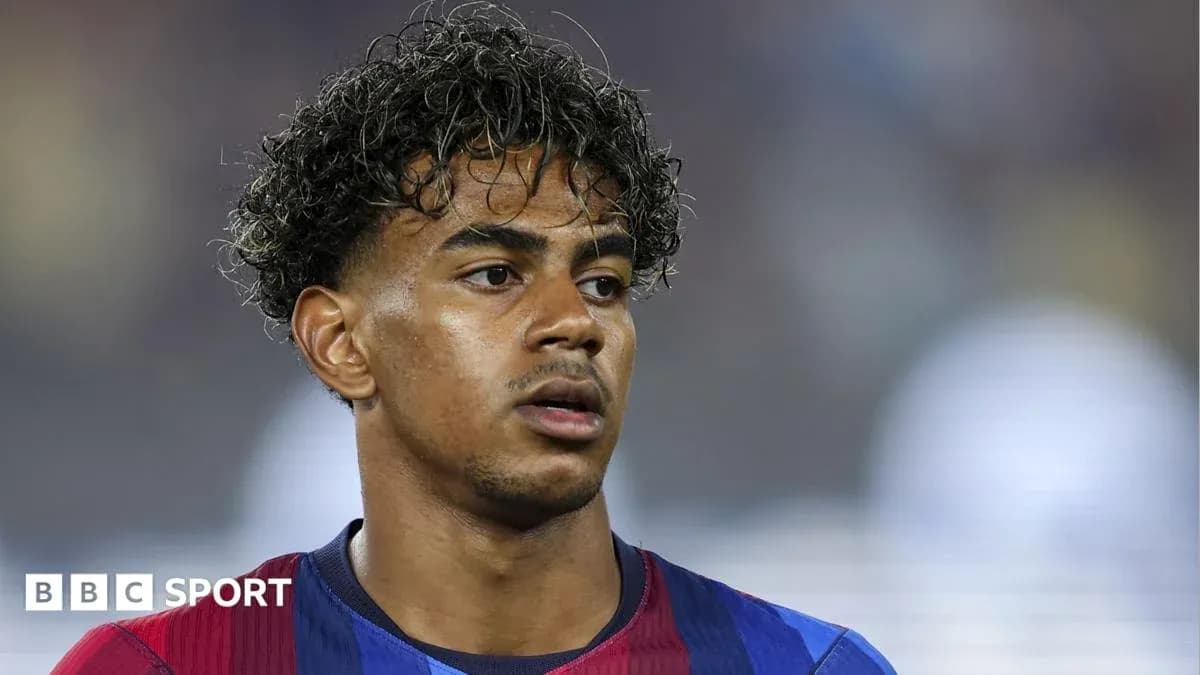
Lamine Yamal is 19 years old, a World Cup winner and the brightest new light at Barcelona. And he is already tired of explaining what it means to live with racism.
In a candid interview with Movistar, the winger laid bare how deeply it runs through his daily life, not just in stadiums but in the small, casual moments people try to brush aside.
“A thousand times,” he said when asked how often he had faced racism. “People are indirectly racist toward you, but maybe don't realise it.”
He wasn’t speaking in hypotheticals. He was speaking from experience.
Targeted on the biggest stage
The Spanish Observatory on Racism and Xenophobia, a government agency, reported earlier this year that Lamine Yamal and Real Madrid winger Vinicius Jr were the most frequent targets of online racist abuse in Spain in the final quarter of 2025. Two of the league’s most electrifying talents, reduced in some corners of the internet to the colour of their skin.
It has not been confined to social media.
In October 2024, during El Clasico at the Bernabeu, Lamine Yamal was among several Barcelona players subjected to racist abuse. On a night that should have been about football’s grandest rivalry, the soundtrack was poisoned by insults from the stands.
Those incidents form only part of a much longer story. As his reputation has grown, so too has the hostility. The winger, who helped Spain lift the World Cup in July, described racism as a constant presence throughout his rise.
“There are a lot of comments or looks that are racist and they don't even notice,” he said. The words are simple, but the weight behind them is anything but.
Owning his identity, rejecting the insult
Lamine Yamal’s response to that hostility is strikingly direct. He refuses to let the basic fact of his identity be used as a weapon.
“If someone calls me Black, it's not going to bother me at all, ultimately I'm Black, I'm not any other colour,” he said.
That distinction matters to him. The issue is not the word itself, but the intent behind it.
“Another thing is whether it's good or bad, whether they're saying it to offend me.”
He knows the difference. Players in his position learn it early.
On the pitch, he has chosen to insulate himself from the worst of it. The noise, the slurs, the gestures from the stands – he sees them, hears them, but refuses to hand over his focus.
“If I'm playing a match and they paid for a ticket to see me, I'm not going to get angry just because they disrespected me,” he said.
There is a hard edge to that line. A teenager, already accustomed to turning abuse into fuel.
The numbers, the reports, the investigations will continue to pile up in offices and archives. Lamine Yamal will continue to glide down the wing, carrying both the ball and a reality he has faced “a thousand times.”
The real question is how long Spain’s football culture is willing to let its brightest stars keep carrying that burden alone.