.svg&w=384&q=75 "logo")
Katie Taylor’s Last Fight: A Historic Farewell at Croke Park

Katie Taylor’s last walk into a ring felt less like a ring walk and more like a coronation.
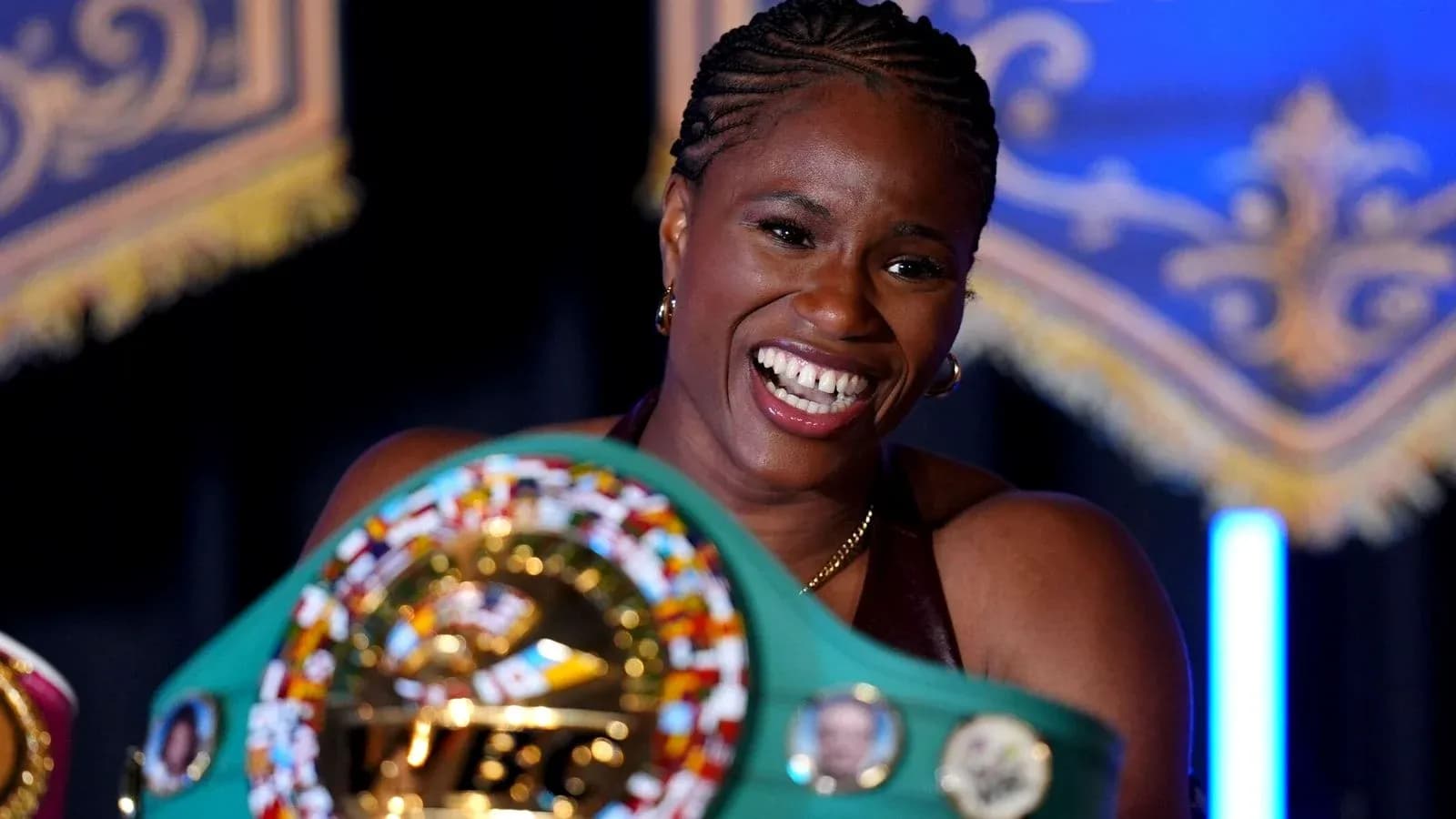
Under the lights of Croke Park, in front of 80,000 people, Ireland’s greatest boxer – and one of its greatest athletes in any sport – signed off as a three-time undisputed world champion. At 40, she outclassed previously unbeaten Frenchwoman Flora Pili to add the vacant WBC light-welterweight title to the WBA, WBO and IBF belts already in her possession.
The scorecards told a story of dominance: 110-90, 110-90 and 98-91. The performance told a different one – of a fighter determined to leave exactly as she arrived, on the front foot, dictating everything.
A champion’s last masterpiece
Taylor boxed with the familiar blend that has defined almost a quarter of a century in the sport: darting footwork, crisp combinations, relentless but intelligent pressure. Pili, talented and unbeaten coming in, soon found herself chasing shadows, then leather.
This was not a nostalgic cameo. It was a full-blooded title fight, controlled by a veteran who refused to look like one.
The French challenger tried to impose herself, but Taylor beat her to the punch, pivoting out of corners, stepping in behind that quick lead hand, stitching together the kind of three- and four-punch bursts that have broken so many opponents’ resolve. Every round banked, every exchange a reminder of why she has stood at the top for so long.
When the final bell rang, there was no doubt. Only a sense of something ending.
She walks away with 26 wins and a single defeat on her professional ledger, an Olympic gold medal in the vault, world titles in two weight classes, and an unarguable place among the architects of modern women’s boxing. Yet on this night, the numbers felt almost incidental. The occasion had long since outgrown them.
Croke Park turns into a cathedral
For years, Taylor had spoken of Croke Park as the dream venue. On this night, the stadium gave itself over to her.
By early evening, the stands were a sea of green and white, Irish tricolours slung over shoulders and waved from the highest tiers. Around 80 per cent of those inside had never attended a boxing event before. They came not as fight aficionados, but as witnesses to a farewell.
The attendance ranked as the sixth largest recorded for a boxing event anywhere in the world since the war. Yet the scale never drowned the intimacy. It felt like a country squeezing into one arena to say thank you.
Westlife – chart-topping, stadium-filling in their own right – effectively played the house band at Taylor’s goodbye. “World of Our Own” rolled out first, tens of thousands singing along, phone lights flickering like a constellation around the stadium. “You Raise Me Up” followed, the lyrics landing heavier in this context, a pop ballad turned sporting hymn.
Then the mood shifted. An a cappella rendition of “Grace”, the ballad bound up with the 1916 Easter Rising, floated across Croke Park. For a moment, the noise softened, the stadium almost holding its breath, history and sport briefly sharing the same space. The national anthem then surged through the tiers, a final swell before the fight.
A ring walk for the ages
Pili’s entrance met a wall of sound. Chants of “Ole, Ole, Ole” drowned out her music, the crowd making clear where their loyalties lay long before a punch had been thrown.
Then it was Taylor’s turn.
She emerged to “All Hail King Jesus”, a pointed nod to the faith she has never hidden, even at the height of her fame. Arms stretched wide, she sang along, trying to drink in every second of a moment she had chased for years. Fireworks cracked into the Dublin sky. The cameras caught the emotion in her face – the flicker of nostalgia, the weight of goodbye – but also the familiar steel in her eyes.
All week she had batted away talk of sentiment, repeating that there was still a job to do. Yet no fighter, no matter how seasoned, walks into that kind of reception untouched. This was Madison Square Garden, London, everywhere else she had conquered, distilled into one night on home soil.
She stepped through the ropes not just as a defending champion, but as a symbol – of a sport she helped drag from the margins, of a generation of Irish athletes who learned that the biggest stages were theirs to claim.
On the loudest night of her career, Katie Taylor finally got the ending she had earned.