.svg&w=384&q=75 "logo")
Katie Taylor’s Final Walk: A Historic Night at Croke Park
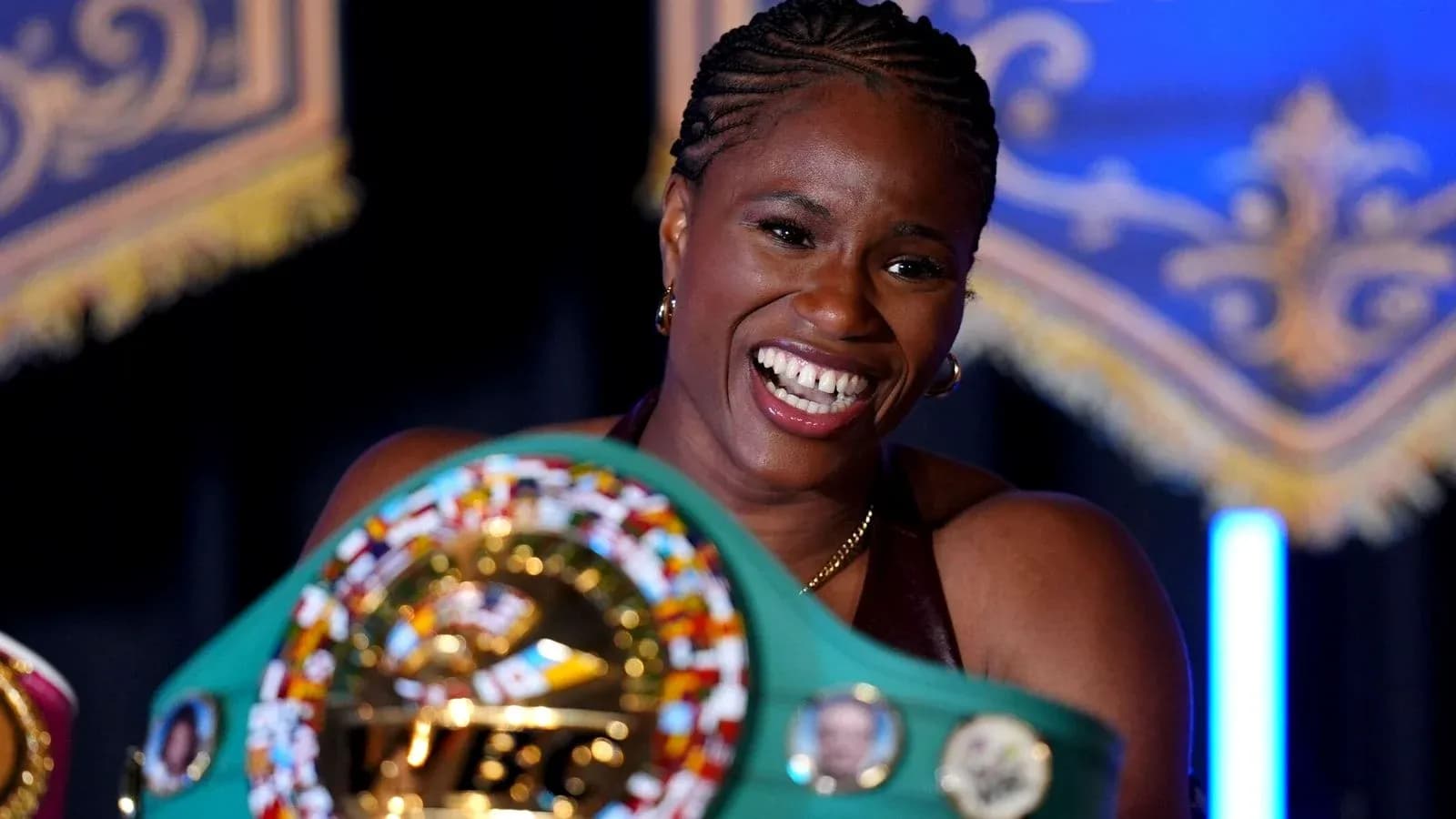
Katie Taylor will walk to the ring for the final time on Saturday, and Ireland is treating it like a state occasion.
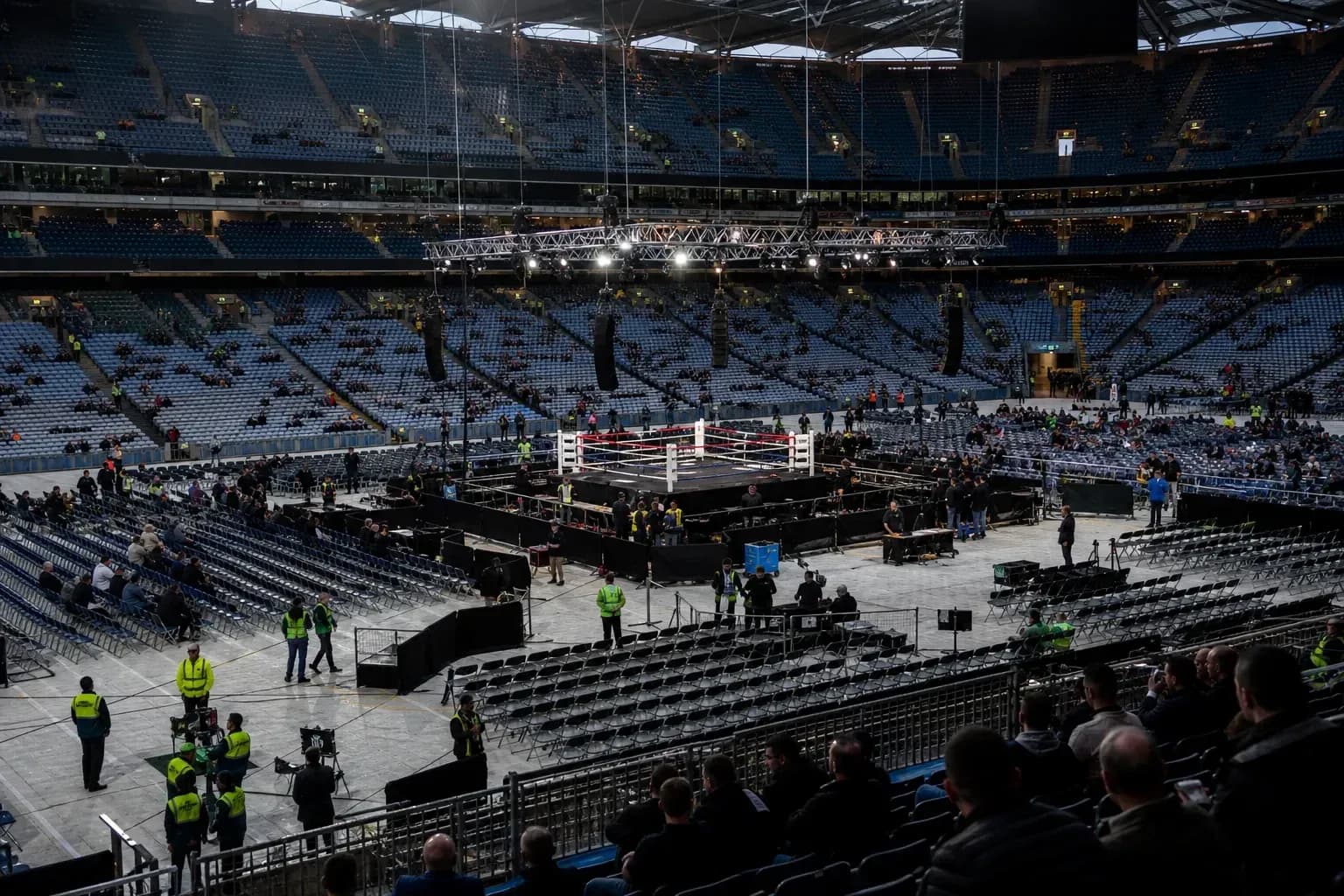
The 40-year-old Olympic champion and undisputed star of women’s boxing will close out her career at Croke Park in Dublin, defending her light welterweight titles in front of 80,000 people. It is not just a fight. It is a full stop on one of the most important sporting stories the country has ever produced.
The demand told its own tale. According to The Guardian, every ticket vanished within 17 minutes when sales opened in June. An entire stadium sold out in the time it takes to wrap a pair of hands.
RTÉ will broadcast the event free-to-air across Ireland, turning the night into a shared national moment rather than a paywalled spectacle. The card carries the feel of a celebration as much as a contest, with musical performances on the bill, including a set from Westlife, before the main attraction makes her final ring walk.
Back to Croke Park, Back to History
Croke Park has not staged a major boxing night since 1972, when Muhammad Ali faced Alvin Lewis. That was a once-in-a-generation occasion. Taylor’s farewell now joins it on the short list of nights when the stadium swapped Gaelic games for the prize ring.
For Trevor McMahon, Taylor’s brother-in-law and founder of Liberty Boxing Gym, the significance is obvious. He has called this fight the end of an era. He knows the weight of what is about to close: not just a career, but a chapter in how Ireland sees women’s sport, and perhaps sport itself.
He is not alone in feeling the mix of pride and melancholy. Dublin will roar, but it will also say goodbye.
Bray Dresses for Its Hero
Down the road in Bray, County Wicklow, the town that watched Taylor grow from prodigy to pioneer is dressing itself for the occasion. Shops are selling hats, flags, and posters with her image. Windows and streets are turning into a sea of her colours and her face.
Local resident Catherine Hill captured the mood, describing how Taylor has become a model for young girls who want to box, or simply to dream big in any sport. For many of them, Saturday is not just about a champion bowing out; it is about the woman who proved they belonged in the ring at all.
From “K Taylor” to Olympic Gold
Taylor’s journey did not begin under bright lights or TV cameras. It started in a place called Tin Can, a gym that sounds as rough and honest as the sport itself.
When she first laced up gloves there, women and girls were still banned from entering the ring in Ireland and the United Kingdom. So she found a way around a rule that should never have existed. She registered for bouts under the name “K Taylor,” passing as a boy just to get the chance to fight.
Alongside her father, Pete Taylor, she did more than win those early contests. She helped change the rules of the game. Their efforts contributed to the lifting of the ban on women’s boxing in Ireland in 2001, when she was just 15. From that point, her career became a timeline of firsts.
She won gold at the 2012 London Olympics, one of the defining images of those Games and a breakthrough moment for women’s boxing on the global stage. She went on to headline cards at Madison Square Garden, a venue that had long been a proving ground for the sport’s biggest names. Her trilogy of fights with Amanda Serrano pushed women’s boxing into new commercial and competitive territory, matching hype with genuine, high-level drama.
Those nights turned Taylor from national hero into a figure whose influence stretched far beyond Ireland’s borders.
One Last Test
The script for a farewell might suggest an easy opponent, a comfortable final chapter. Taylor has not chosen that route.
Across the ring on Saturday will be Flora Pili, a 29-year-old French fighter with a perfect professional record: 12 fights, 12 wins. She arrives as the IBO light welterweight champion, a titleholder in her own right, and she comes to Dublin with nothing to lose and everything to gain.
Pili is younger, unbeaten, and hungry. She is not there to play a supporting role in someone else’s story. If Taylor wants to leave Croke Park with her belts and her legacy intact, she will have to earn it the hard way, one last time.
An Era Ends Under the Lights
When Taylor steps through the ropes at Croke Park, she will be carrying more than gloves and a game plan. She will carry the memories of the girl who had to hide her identity to fight, the teenager who helped tear down a ban, the champion who turned Olympic gold into a professional revolution.
The crowd will not just be watching a title defence. They will be watching the end of a journey that began in a small gym called Tin Can and ends in front of 80,000 people in one of Ireland’s great sporting cathedrals.
What comes next for women’s boxing, without Katie Taylor in the ring, is the question that will linger long after the final bell.