.svg&w=384&q=75 "logo")
Katie Taylor's Historic Farewell Fight at Croke Park
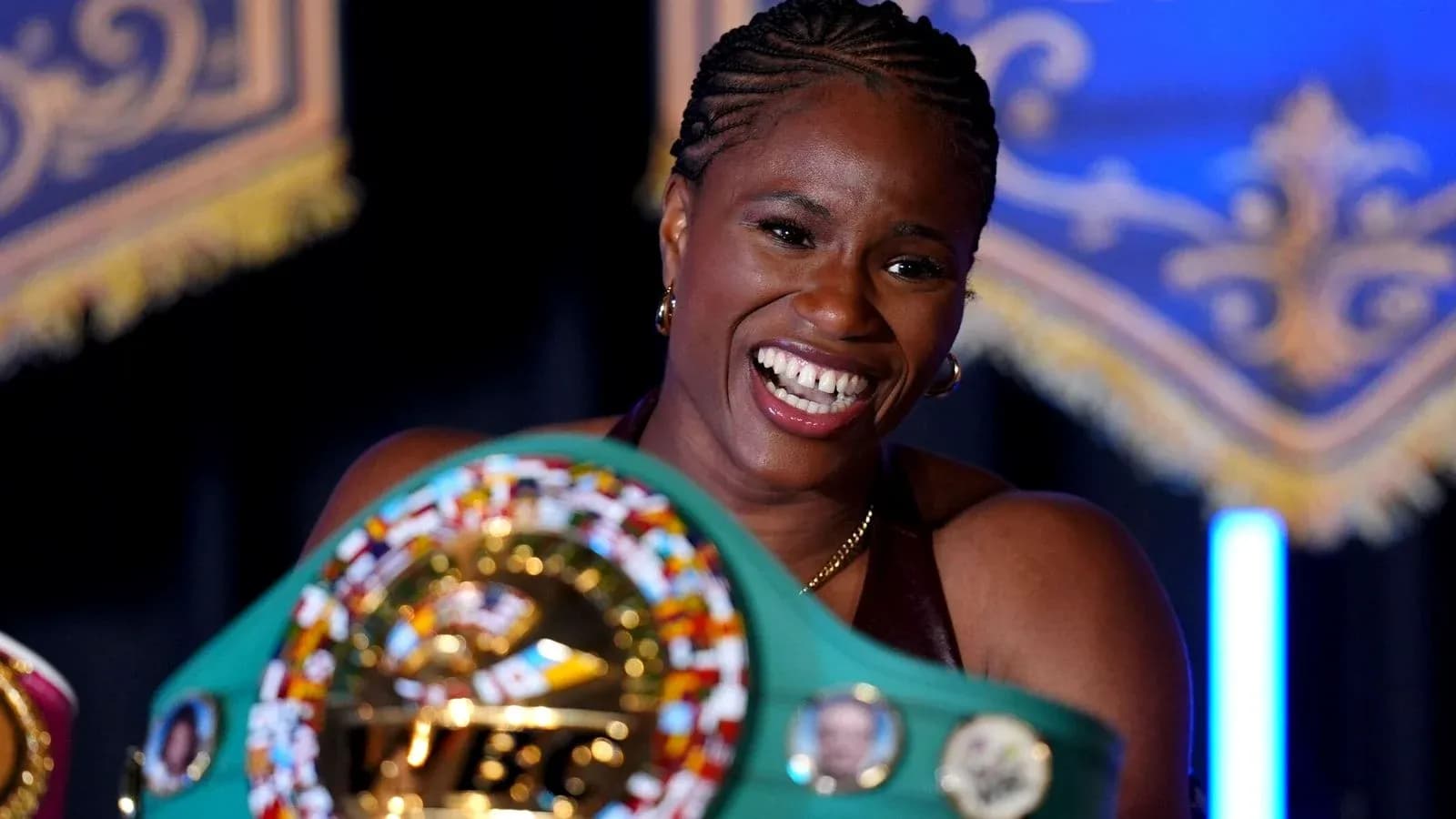
When Katie Taylor walks out at Croke Park tomorrow night, 80,000 voices will rise with her. One of them will belong to a man who knows exactly what it means to share that stage.
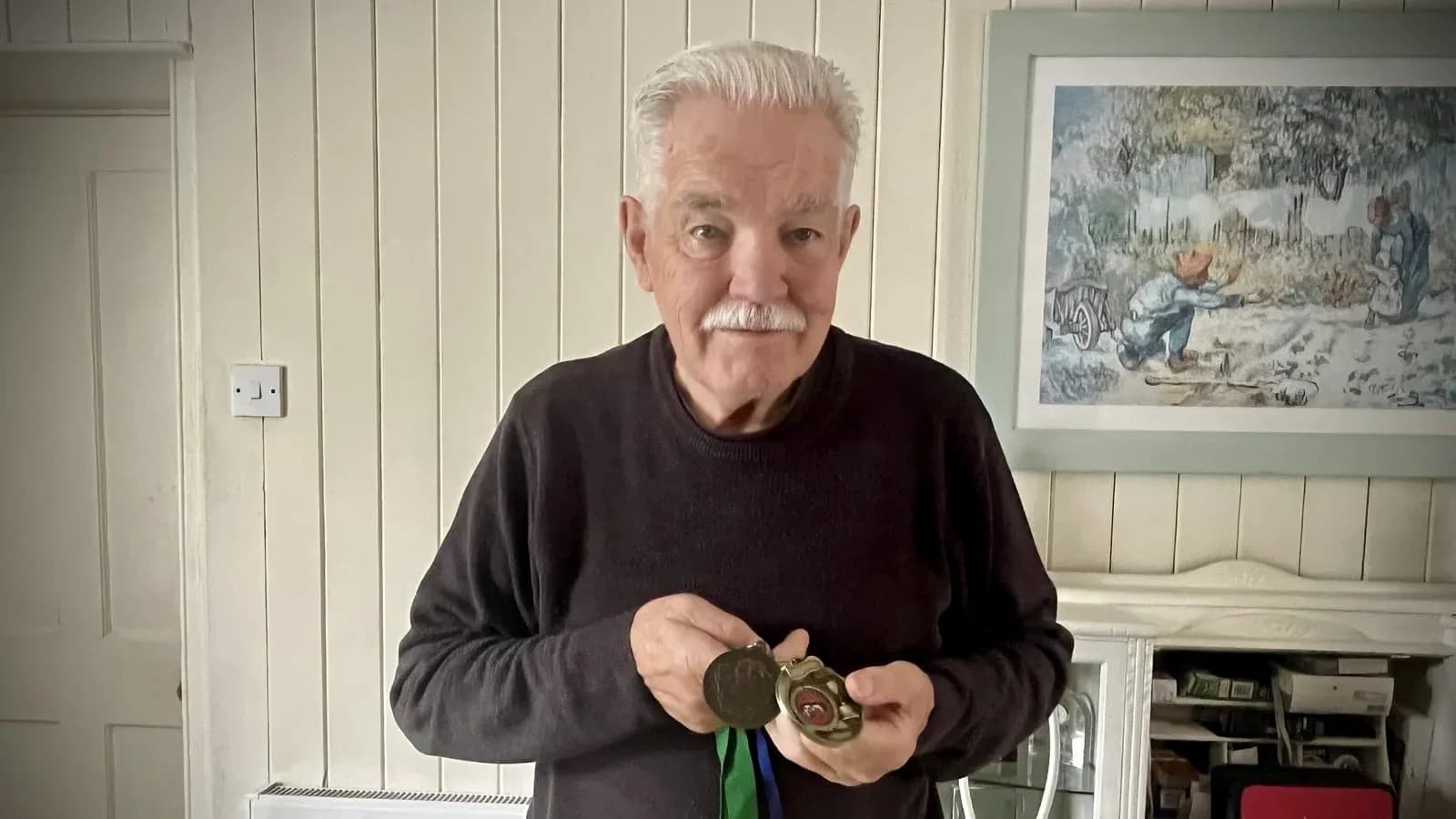
Paddy Doherty, from Ballyshannon in Co Donegal, will take his seat in the Ard Chomhairle section with his family, a guest of Taylor’s team. At 74, he carries a distinction no one else inside the stadium can claim: he was there the last time professional boxing came to Croke Park, and he fought on the undercard.
That night was 19 July 1972. Muhammad Ali versus Al “Blue” Lewis. The only time “the greatest” boxed in Ireland.
Doherty boxed too, stopping Welshman Bobby Ruff in the second round. Ali finished Lewis in the 11th. The show drew 18,000, a spectacle put together by Michael “Butty” Sugrue, the circus strongman from Kerry who turned his flair for showbusiness into a one-off Irish boxing epic.
Tomorrow will dwarf that attendance. But the thread between the two nights runs straight through Doherty.
He still sounds slightly stunned that Taylor herself came to his door in Donegal in recent weeks, with manager Brian Peters alongside her.
“Brian Peters called that he was in Donegal,” Doherty recalled. “That morning, my wife said, ‘Katie Taylor’s after coming in past the house’. I couldn’t believe it.”
He has watched her career reshape Irish boxing, dragging it from the margins into the mainstream and onto global stages.
“What she has done for Irish boxing all over the world is remarkable,” he said. “Out from that, she’s a real lady.”
Taylor’s camp did more than just pay their respects. They made sure Doherty and his family would be in the stadium when she steps through the ropes for what is billed as a farewell fight, against unbeaten 29-year-old French contender Flora Pili.
“They invited the whole lot of us on Saturday night. It was a nice surprise,” Doherty said. “He (Brian Peters) said, ‘I’ll see you in Croke Park’.”
The symbolism is impossible to miss. In 1972, Doherty was the rising Irish talent tucked beneath Ali’s aura. Now, as Taylor prepares for what is expected to be the last act of a trailblazing career, the old undercard fighter returns as a guest of honour.
Back then, Ireland was in turmoil. The Five Nations Championship had been abandoned that year, with Scotland and Wales refusing to travel to Dublin during one of the darkest periods of the Troubles. Against that backdrop, Ali’s appearance in Croke Park felt like a surreal escape, a different world briefly landing in Dublin.
Doherty remembers every detail. The weigh-in at the Gresham Hotel. The electricity in the air. The way Ali moved through a room and bent it around him.
“He tapped me on the head coming into the ring (in Croke Park),” Doherty said, the memory still vivid. After the fight, chaos.
“Most of the crowd came over the barrier into the ring. Even the security and the guards couldn’t keep them back, just to get to Ali.”
For Doherty, that night capped a journey that began in Ballyshannon when he was 11. He fought his way through the amateur ranks, collecting Ulster and Irish titles from juvenile to senior level. He won Commonwealth Games bronze in Edinburgh in 1970, representing Northern Ireland through his Fermanagh-born father.
As an amateur light-middleweight international, he built a record of 15 wins and just one defeat. Then he turned professional and moved to London in 1971, where his path first crossed Ali’s on an undercard at the Royal Albert Hall, when Ali boxed Johnny “Gypsy” Frankham in an exhibition.
So when Ali came to Croke Park the following year, Doherty’s name was called again.
His own career ended early, cut short by injury in his 20s. The sport moved on. Croke Park did too. Professional boxing never came back.
Until now.
Taylor’s homecoming, and likely farewell, will be the first professional card in the stadium since that Ali-Lewis bill. It will also be the biggest boxing crowd in Irish history. The stage is set for a full-circle moment: the old guard in the stands, the modern icon in the ring.
Doherty believes Taylor’s legacy will stand alone.
“I will be there (tomorrow night) for Katie Taylor; she’s so calm and nice ... a down-to-earth girl,” he said. “What she’s done for boxing will never be done again.”
He has even thought about what he might say if he gets a quiet word with her before she faces Pili, the undefeated French challenger.
“If I’m talking to her before the fight, I’ll tell her, ‘if she keeps coming to her, to tie her up in knots ... let the referee do the breaking and get back for boxing’.”
That is the old pro talking. The man who once boxed beneath Ali, now offering a final tactical nudge to the woman who carried Irish boxing into a new era.
Tomorrow night, as Taylor walks toward the ring and the roar rolls around Croke Park, Paddy Doherty will watch from above. Fifty-four years apart, two nights, one arena – and a question that will hang in the Dublin air: after Katie Taylor, who could possibly follow this?