.svg&w=384&q=75 "logo")
Katie Taylor's Emotional Farewell at Croke Park
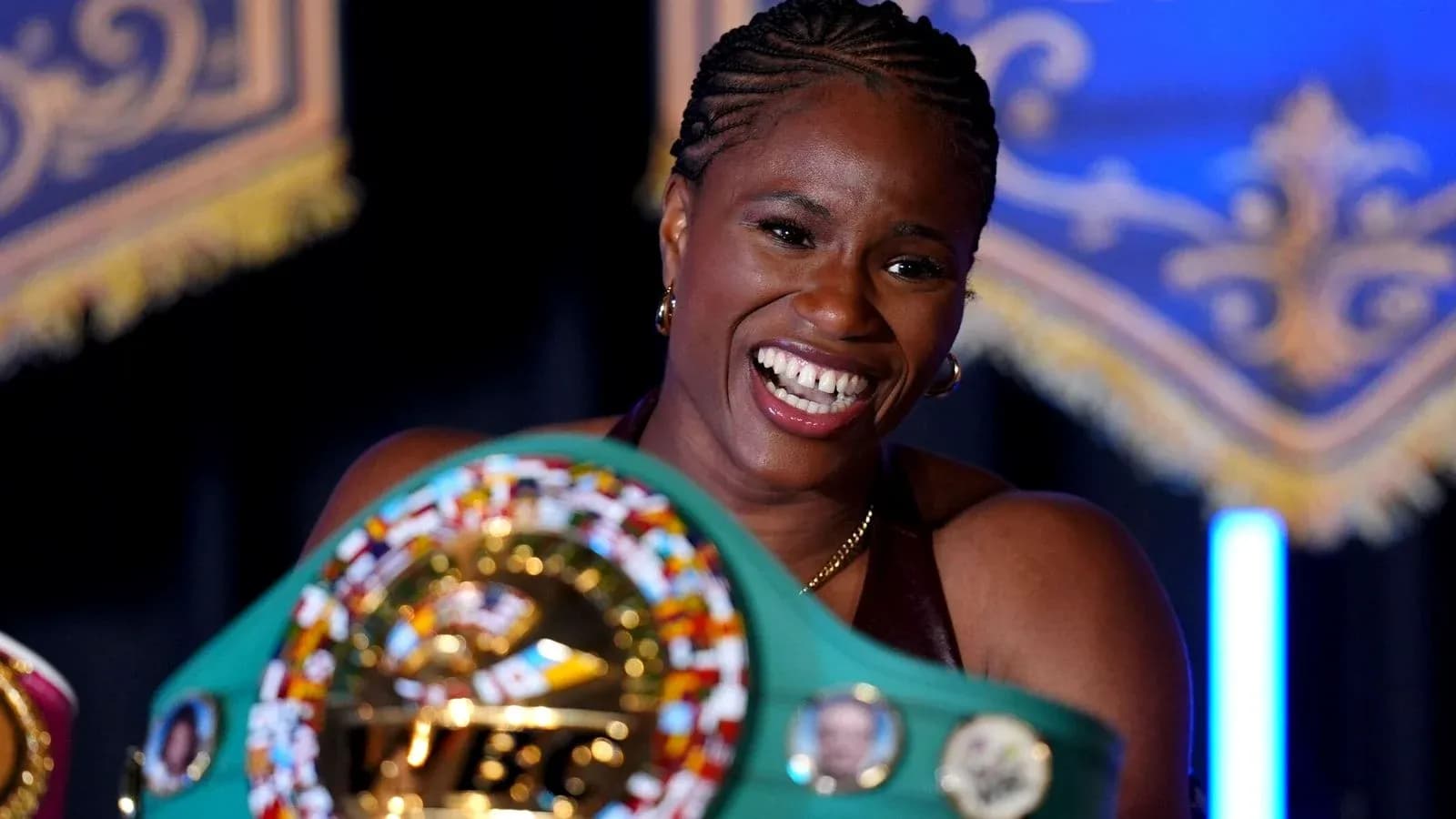
Katie Taylor sits down and smiles, but the mask slips as soon as she starts talking. The eyes are tired, glassy, betraying what the face is trying to hide.
On Saturday night at Croke Park, she walks to the ring for the final time. Across from her will be unbeaten French challenger Flora Pili, 12-0 and hungry. Around them, 80,000 people, a wall of noise and tricolours. For Taylor, this is the last act of a life spent fighting her way into a sport that once barred her from even stepping through the ropes.
The weight of it all is finally landing.
"I thought I was handling all the emotions until today," the 40-year-old tells BBC Sport.
The words hang there. Taylor has always worn a kind of emotional body armour in fight week, a quiet, almost stubborn refusal to play the pantomime of pre-fight hype. She prefers the gym, the grind, the solitude. This week, though, that armour has started to crack.
She lingers a little longer at face-offs. She wells up under the lights. She looks around the room as if trying to memorise it.
"This is the stuff of dreams and I'm pinching myself that it's happening," she says. "I look back at my career and think how remarkable it has been. The highs, the lows, the failures, the disappointments and the successes."
There is no “next one” lurking beyond Croke Park. No rival in the shadows. Just a farewell in the stadium she grew up idolising, in front of a country that has followed her from disguising herself as a boy to box, to Olympic gold, to undisputed world titles.
And now, to goodbye.
A nation leans in
"Every fighter in the world wishes they were in this position," Taylor says.
She’s not boasting. She sounds almost stunned by it. The numbers back her up. Around 80,000 people will pour into Croke Park for a female fighter, an extraordinary statement in itself.
"I'm just blown away from the support from this country. I don't think there are many other countries where 80,000 show up for a female athlete.
"The crowd - hearing 'ole ole ole' one last time - feeling the atmosphere, seeing the tricolours all over the place..."
You don’t need to walk far in Dublin to feel it. Taxi drivers stuck in traffic, bar staff in Temple Bar, people on their phones in queues and cafes – all asking the same question: “Any spare tickets?” This isn’t just a boxing show. It’s turned into a national event.
Manager Brian Peters has heard the debates all week. Who is Ireland’s greatest sportsperson? The answer from Taylor’s camp is unanimous. Peters even jokes he owes Roy Keane an apology, reassuring him he’s only just been edged into second place.
The scale of the occasion didn’t happen by accident. Taylor, who has built a career on avoiding the spotlight off the canvas, has thrown herself into the hard yards of promotion.
Peters led an exhausting 1,500-mile bus tour across all 32 counties. Dozens of radio interviews. Community stops. Meet-and-greets. Four relentless days.
"No-one works as hard as Katie," Peters says. "Those four days she did not stop working. These stadiums don't sell out on their own."
The schedule was brutal. At one point, thousands of fans swarmed the gates at a Kilkenny stop as the bus tried to keep to its timetable. Peters was ready to push on. Taylor wasn’t.
"Ah Brian, we can't drive past them," she insisted.
The bus stopped. She climbed down, posed for group photos, signed what she could. It cost time. It bought something far more important.
That effort has changed the shape of Saturday night. About 80% of those inside Croke Park will be watching live boxing for the first time. Around 65% of tickets were sold outside Dublin. The farewell has spilled far beyond the capital.
With the fight shown free-to-air across Ireland and Westlife providing the soundtrack, Taylor’s last walk has become a kind of shared celebration, a collective thank you.
Tears on the way in, and out
The emotion hasn’t been confined to Taylor. Eddie Hearn, who has ridden shotgun on her professional journey, felt it hit mid-sentence at the final news conference. He stopped, choked up, suddenly aware this was the last time he would sit on a top table selling a Katie Taylor fight.
"When it's all said and done you will look at your belts, you might look at your bank balance. But you will sit there, close your eyes and recall all those incredible moments in your life that made you cry," he later told BBC Sport.
"I will cry on the ring walk. I will cry in the [post-fight] interview."
Hearn has seen sides of Taylor few outside her inner circle ever glimpse. The public image is of a stone-faced, laser-focused competitor. The people around her talk about someone else entirely.
"Katie Taylor is one of the funniest people I've met. Unexpectedly funny. She's so strong and determined. But people who know, she's very jovial, she's got great energy and I think she's soaking all that up," Hearn says.
Taylor herself hinted at that side this week, joking about flipping the table during media duties just to break the monotony. It’s the kind of throwaway line that wouldn’t have surfaced earlier in her career. She’s looser now, more willing to let the world see the person as well as the fighter.
The timing of the media schedule has been deliberate. The bulk of it packed into the start of the week, to give her space to get the tears out, to feel the swell of it all before retreating back into the familiar rhythm of training and preparation.
"I don't think I can prepare for what happens on Saturday, but I'm going to try and keep emotions in check and try and enjoy the ringwalk. But the most important thing is to win," she says.
There it is. Amid the nostalgia and the sentiment, the line that explains everything. The farewell is grand, the tributes loud, but the fighter at the centre of it all still sees only one job: win.
One last threat
Somewhere in the middle of this Irish love story is an opponent trying to write her own first chapter.
Flora Pili has moved quietly through fight week, slipping along hotel corridors while the cameras follow Taylor. She brings an unbeaten 12-0 record and the clear, sharp ambition of a challenger who understands the size of the stage.
"I have nothing to lose and everything to win," the 29-year-old says.
She is right. If Taylor’s night goes wrong, Pili walks away with the scalp of a legend and a career transformed. If it goes to script, she becomes a footnote in someone else’s perfect ending.
Taylor knows all of this. She has spent a lifetime turning nights of pressure into nights of performance. Olympic finals. World-title unifications. Away days in hostile arenas. She has carried the weight of expectation before, just never quite like this.
Asked what Sunday morning might feel like, when the gloves are off and the noise has gone, she pauses.
"Probably a bit relieved - I don't have to take any more punches again."
That line lands harder than any left hook. The body has absorbed enough. The mind has lived on the edge long enough. Relief, not regret, waits on the other side.
On Saturday night at Croke Park, the final bell will sound on Katie Taylor’s career. This time, it really is the end. The question now is whether her last act finishes the way so many of the others have: with her hand raised, a nation roaring, and one more memory that will make her cry when she closes her eyes in the years to come.