.svg&w=384&q=75 "logo")
Katie Taylor's Dream Ending at Croke Park: A Champion's Farewell
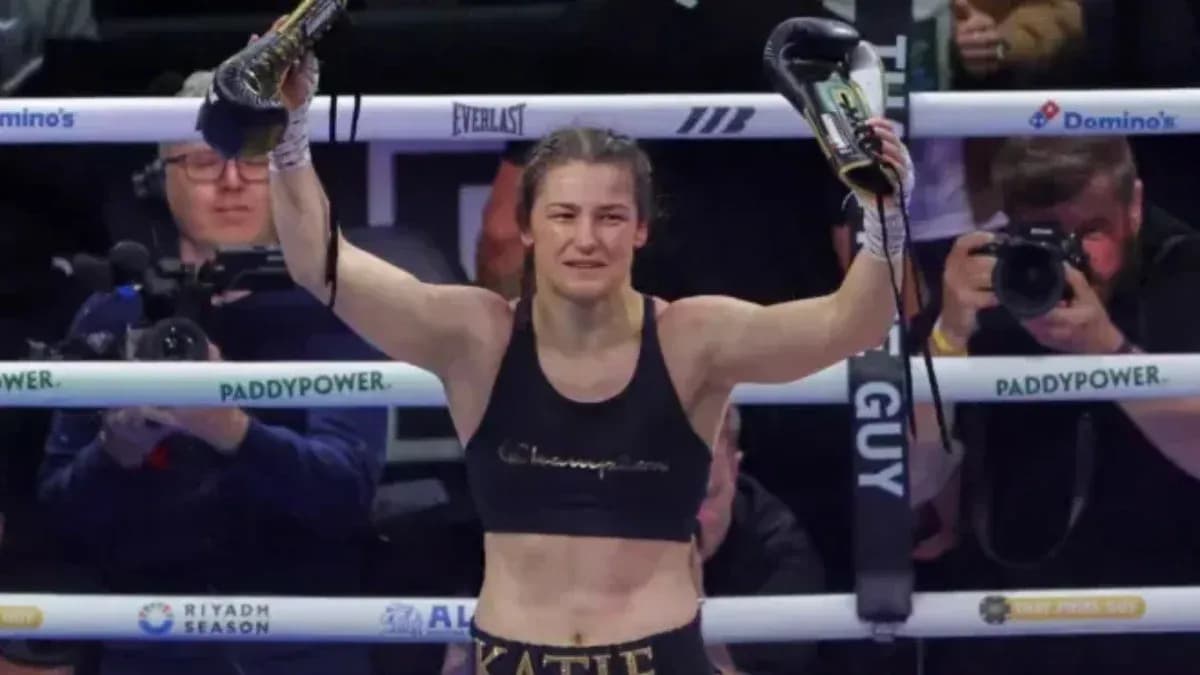
Katie Taylor always said she wanted one last fight at home. Not in any arena, not in any city, but in Ireland’s sporting cathedral. On an electric night at Croke Park, in front of 80,000 fans who roared her name as if willing time to stand still, she got it — and she left with everything.
At 40, with a career already carved into boxing history, Taylor dominated previously unbeaten Frenchwoman Flora Pili over 10 one-sided rounds to close the book on an extraordinary journey. The scorecards told the story with brutal clarity: 100-90, 100-90, 98-91. A clean, unanimous decision. No doubt, no controversy, no sting in the tail. Just a champion walking out exactly as she wanted to.
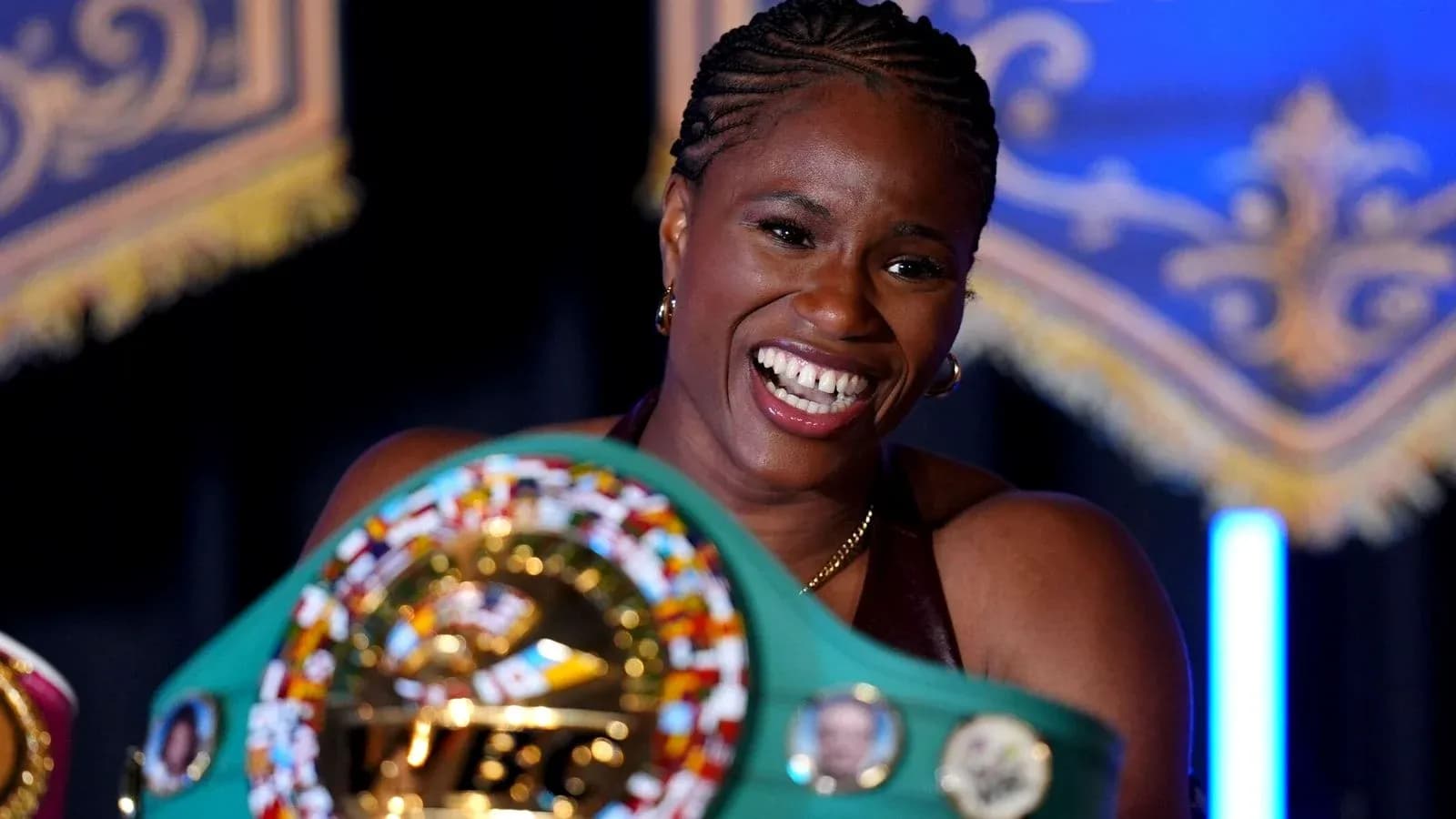
She retires as the undisputed 140-pound queen, adding the vacant WBC super lightweight belt to the WBO, WBA and IBF titles she already owned. One last unification, one last statement. Taylor’s final ledger as a professional: 26 wins, 6 by knockout, and a single defeat.
Pili, who arrived in Dublin with a perfect 12-0 record and ambition to match, found herself trapped inside a masterclass. Taylor controlled the distance, dictated the tempo and, round after round, chipped away at her opponent’s belief. The Frenchwoman leaves with a first loss at 12-1, handed to her by a fighter who has spent a lifetime dismantling barriers and opponents in equal measure.
This was not just another defence. It was the closing scene of a story that began long before bright lights and world titles, back when girls in Ireland were not even allowed to box as amateurs. Taylor fought then under the name “K Taylor” just to get bouts. On this night, the same fighter who once had to hide her identity stood in the open, centre stage in front of a packed Croke Park, as the face of an entire era of women’s boxing.
From Olympic trailblazer to undisputed ruler
Her journey burst into global view at London 2012, when women’s boxing finally entered the Olympic Games. Taylor seized that moment, winning gold and becoming one of the defining figures of the tournament. That medal did more than decorate a career; it detonated a movement.
She turned professional in 2016 and immediately imposed the same relentlessness on the paid ranks that had marked her amateur days. The lightweight division became her domain. Opponents came and went; the belts stayed with her.
The defining rivalry of her pro career, the one that will be replayed for years, came against Amanda Serrano. In April 2022, Taylor and Serrano walked out at a packed Madison Square Garden as the first women ever to headline the famous arena. They delivered a brutal, breathless classic that many still call one of the greatest fights in women’s boxing history. Taylor got the decision that night, and she beat Serrano again in two further meetings, most recently in 2025, sweeping their trilogy 3-0. Those three fights became the spine of her legend.
Even greatness, though, has its bruises. On May 20, 2023, stepping up to super lightweight, Taylor suffered the only defeat of her professional career against American Chantelle Cameron at Dublin’s 3Arena. For a fighter who had built an identity around control and composure, it was a jolt. Six months later, at the same venue, she came back for revenge — and took it, regaining her momentum and proving that even in the twilight of her career, she could still adjust, still bite down, still win when it mattered.
The perfect ending
Croke Park, though, was always the dream. A place usually reserved for Gaelic games, turned for one night into the temple of the fighter who had carried Irish boxing on her shoulders for more than a decade. The noise swelled with every exchange, every flurry, every feint. The crowd knew what they were watching: not just a title defence, but a farewell.
The pressure finally told in the most symbolic way, not on Pili, but on the moment itself. When the final bell rang and the scores came in, Taylor did not need theatrics. She walked to the centre of the ring, removed her gloves and placed them on the canvas. Around them, her team carefully laid out the belts she had spent a lifetime collecting — WBC, WBO, WBA, IBF — framing the gloves like a monument.
Then came the words that will echo around this night for years. Addressing the euphoric crowd, she shouted: “Croke Park! We did it! The people of Ireland gave me a dream ending to a dream career. Nothing can top this. Without a doubt, this was the crowning moment of my entire career.”
No one in the stadium argued. How could they?
From a teenager boxing under a disguised name to an Olympic champion, from the first women’s headliner at Madison Square Garden to undisputed super lightweight champion bowing out at Croke Park, Taylor did not just ride the wave of women’s boxing — she helped create it.
She leaves with her record intact at the top, her belts in the ring, her legacy beyond reach. The next generation will walk through doors she kicked open. The only question left now is not what more Katie Taylor can do for boxing, but who will dare to follow the path she carved.