.svg&w=384&q=75 "logo")
Katie Taylor: A Champion's Journey from Amateur to Undisputed
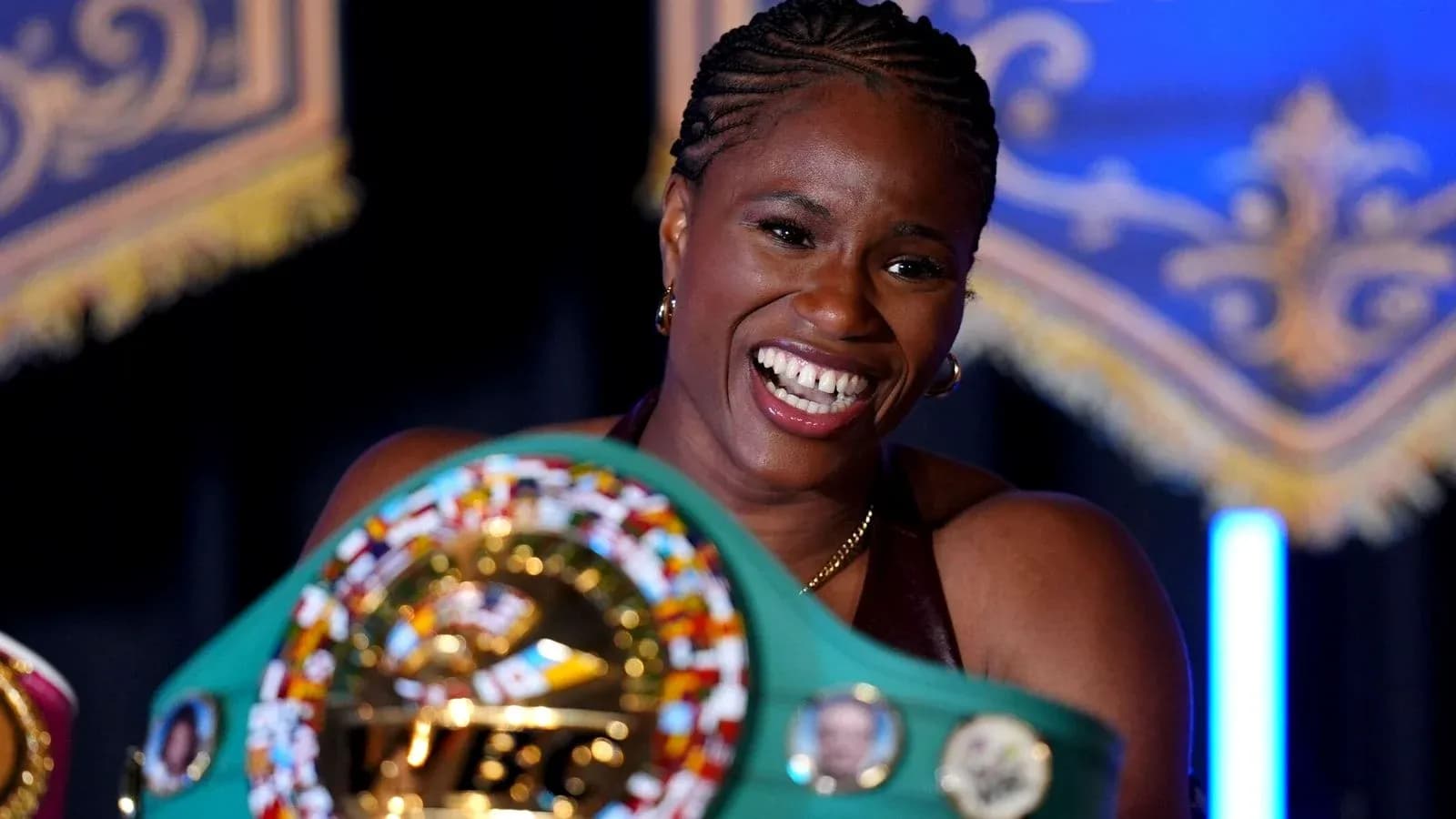
Katie Taylor’s story has always been about more than belts and scorecards. It is the arc of a fighter who dragged a sport with her, step by step, ring by ring, from church halls and half-empty arenas to the brightest lights on the planet.
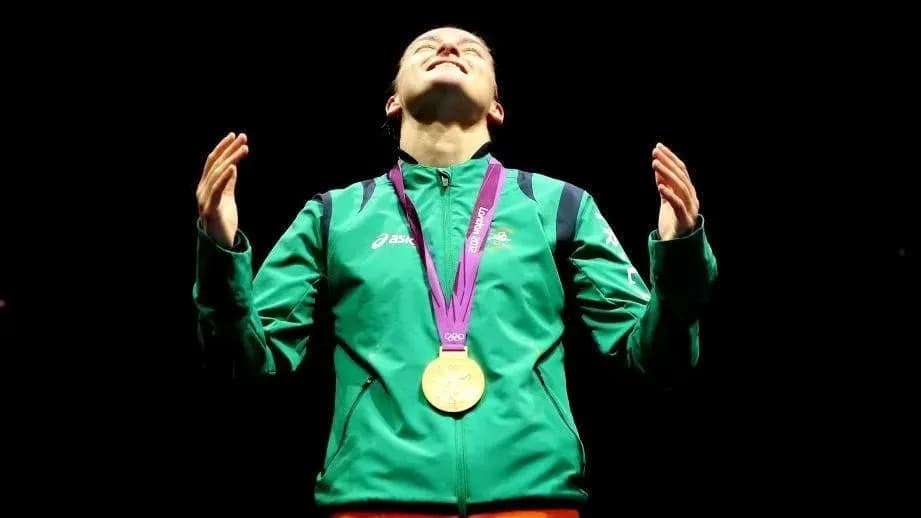
Before the sold‑out nights and streaming deals, there was the girl from Bray who simply refused to lose. Taylor ripped through the amateur ranks, stacking up five world championships and, in 2012, the crowning moment: Olympic gold in London. On that August afternoon she did not just win a medal; she became one of only 15 Irish athletes ever to stand on the top step of an Olympic podium in any sport, and the only Irish gold medallist at those Games.
Ireland already knew her. The world had no choice but to catch up.
Her father Peter, the man who had shaped her from the start, was there in London, celebrating in the chaos and colour of that Olympic high. He had been her long-time coach, her voice in the corner, the one constant in the blur of tournaments and training camps. Those images of the two of them, wrapped in the Irish flag and the noise of the ExCeL Arena, became part of the country’s sporting folklore.
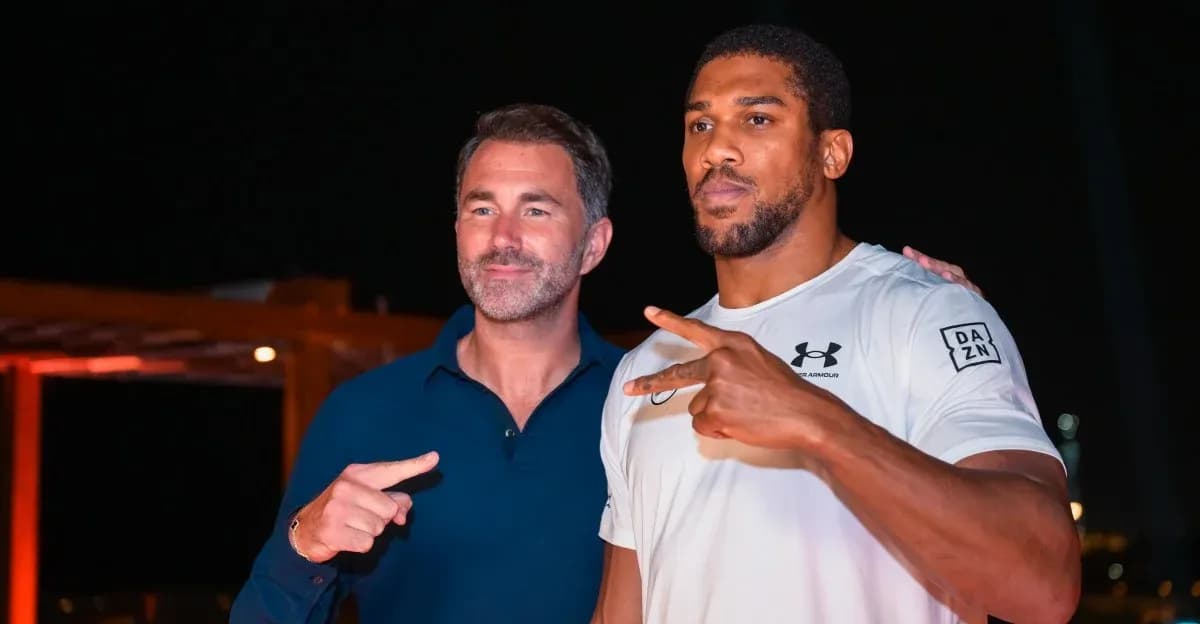
Taylor could have stayed in the unpaid ranks, a national treasure on familiar ground. She went the other way. Quickly. She pushed for the next frontier, convincing Matchroom promoter Eddie Hearn to take a chance that would change both of their careers. Taylor became the first female fighter Hearn signed, a landmark decision that said as much about her force of personality as her left hook.
The professional journey began in November 2016 under the lights of Wembley Arena. It felt less like a debut and more like a homecoming on foreign soil. Irish fans flooded the venue, turning a routine undercard outing into a statement night. Taylor delivered, winning with the sharpness and urgency of someone who knew this was only the first page of a much bigger story.
The climb was relentless. Titles came, then more titles, until the chase narrowed to one historic target: becoming Ireland’s first four-belt world champion. That chance arrived at Madison Square Garden in 2019, the sport’s most storied stage, against the rugged, relentless Delfine Persoon.
On paper, it was supposed to be Taylor’s coronation. In the ring, it was a storm. Persoon pressed, bullied, refused to back off. Taylor, so often in command, had to dig into reserves that only the great ones ever find. She was almost beaten that night. Almost. Somehow she stayed on her feet, traded when she had to, moved when she could, and edged a split-decision win that left the arena buzzing and the debate raging. The belts were hers. So were the scars.
Three years later, she walked back into MSG for a fight that had been talked about for years and postponed by everything from negotiations to global shutdowns. This time the name on the opposite corner was Amanda Serrano, a fearsome puncher and serial world champion. Two women, one sold‑out Garden, and history again on the line: the first time a women’s bout headlined a boxing event at that iconic New York venue.
The atmosphere crackled long before the opening bell. When it rang, they produced a 10‑round classic. Taylor absorbed hellish shots, fired back with combinations that drew roars from the crowd, and once more survived moments when the fight seemed to teeter away from her. Had she not stayed upright in those brutal exchanges, the narrative of her career could have shifted in a heartbeat. Instead, she clung to the moment, edged another split decision, and walked out still undisputed, still the face of women’s boxing.
Backstage, away from the noise and the bright lights, there was a quieter scene that said just as much about who she is. Taylor and her mother Bridget, a constant figure at her side throughout the journey, shared a moment together. No belts, no microphones, just family. The fighter who had carried a sport on her shoulders leaned back into the people who had carried her.
For all her global fame, there was always an aching gap in the story: Ireland. Years passed without a home fight. Nine of them. For almost a decade, Irish fans watched their greatest boxer from afar, in the early hours on television or through clips and reports from America and beyond.
That changed in November 2024. At last, Taylor stepped through the ropes in front of her home fans again. The wait, the longing, the pride — it all poured out in one night. It was more than a boxing event; it felt like a delayed celebration of an entire era.
She did not linger. Taylor went back on the road to face Serrano again in 2024, this time on an even grander stage: 60,000 people in Texas and a global audience watching live on Netflix. The scale underlined how far the sport had come since those early days when promoters needed convincing to put women on the bill at all. Now, Taylor stood as undisputed light‑welterweight champion, the standard‑bearer at the top of the mountain.
From the outside, it looked like the perfect point to bow out. On top of the world, legacy secured, history written in thick ink. She seemed ready to sail off into retirement, belts in hand, reputation untouched.
But Taylor never treated fight week as a farewell tour. She soaked up every moment instead, fully present, still the competitor but also the pioneer aware of the next generation watching her every move. During her final fight week, she made one young fan’s dream real. Ten‑year‑old Clodagh Keating joined her at a public workout, trading light drills and smiles with the champion she had grown up idolising.
In that small ring, under the cameras and the glare, the scene captured the full sweep of Taylor’s impact. From Olympic gold to MSG epics, from being Hearn’s first female signing to headlining in front of tens of thousands, she had not just won fights. She had opened doors.
And as Clodagh threw punches beside her, you could see the next chapter of Irish boxing already taking shape in the shadow of the woman who changed everything.