.svg&w=384&q=75 "logo")
Jai Opetaia's Statement Win and Call-Out of David Benavidez
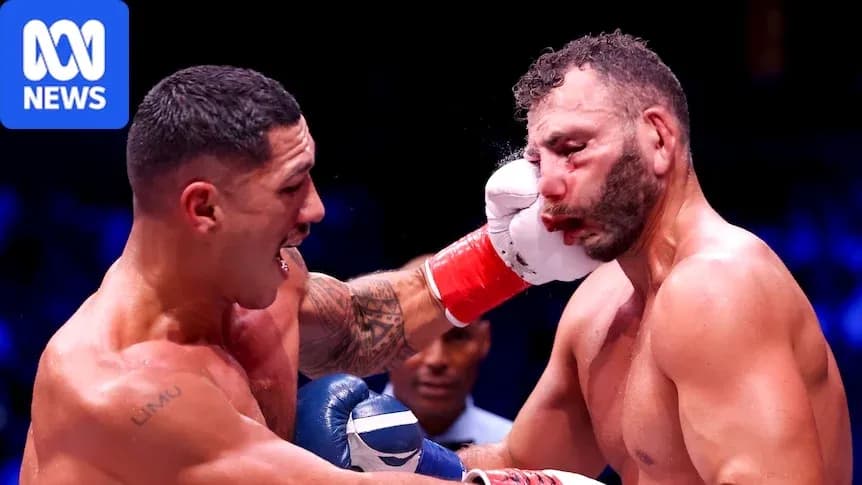
Jai Opetaia didn’t just win a fight in Las Vegas. He kicked down a door.
Under the bright lights of T-Mobile Arena, the Australian southpaw dismantled Noel Mikaelian, handed the durable German-Armenian his first stoppage loss in 32 fights, and then turned the ring into a negotiating table for one of 2025’s biggest attractions.
By the time it was over, Mikaelian’s WBC belt was almost an afterthought. The real prize was a handshake and a date: David Benavidez, Cinco de Mayo weekend, Las Vegas.
Opetaia breaks down the unbreakable
Opetaia walked in with a spotless record and walked out 31-0, but this was more than another number on the ledger. This was a statement.
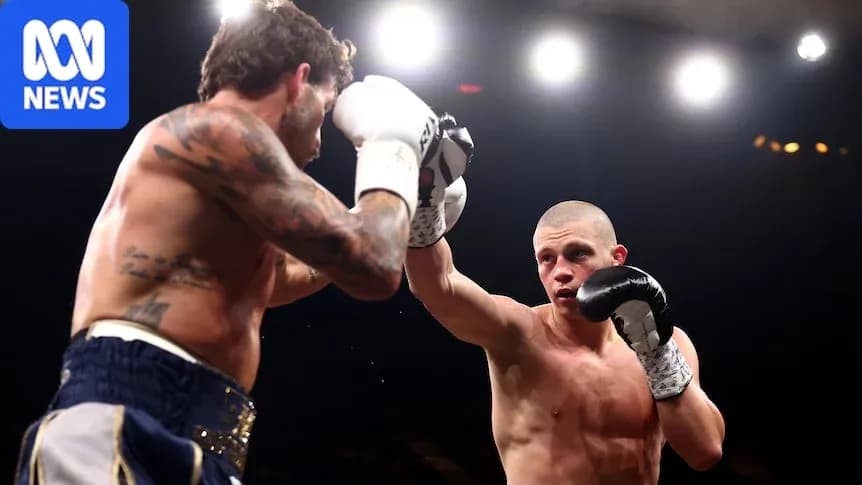
He picked at Mikaelian from range, southpaw angles slicing through the guard, gradually stripping away the champion’s resistance. It wasn’t reckless, it wasn’t wild. It was cold, methodical pressure from a man who knew he had 12 rounds to prove a point and chose the ninth to close the show.
That finish came from a short, vicious right hook — the kind of punch you barely see until it’s already done its damage. Mikaelian froze, stunned, and Opetaia pounced. Three more clean shots sent the WBC champion sagging into the ropes, forcing a standing count he was never going to beat.
For a fighter who had gone through 31 previous bouts without being stopped — 28 wins, three close defeats — this was new territory. For Opetaia, it was confirmation. He belongs at the very top of the cruiserweight pile, politics or no politics.
He did it with a swollen left eye too, the result of a head clash in the opening round. The damage only added to the theatre: a world-class technician looking like a throwback brawler, carving his way through a man who had never been finished.
Call-out in the spotlight
As the referee waved it off and the crowd buzzed, another presence loomed at ringside. David Benavidez, already a two-belt cruiserweight champion and a man who has collected world titles in two other divisions, watched it all unfold from just a few feet away.
Opetaia didn’t let the moment drift. He seized it.
"I'm still here, still undefeated and like I said — who's next?" he said, before motioning Benavidez into the ring. Respect first, business second. "I respect him. He's done a lot for the sport and what better fight to make. Respectfully, let's get it on."
Benavidez stepped through the ropes, the kind of scene promoters dream about and sanctioning bodies often complicate. This time, the fighters cut straight through the noise.
"Let's do it right here, Cinco de Mayo next year," Benavidez replied, the agreement sealed with a handshake in front of a roaring arena. No contracts, no press conference. Just two champions looking each other in the eye and agreeing to fight.
"I like this man. He looks like he likes war. I am the same way, so we're going to give the fans a hell of a fight."
Opetaia, eye swollen and adrenaline still surging, could barely contain his satisfaction.
"He's said it now, he's not taking it back," the Australian grinned.
He was sent to hospital for precautionary scans shortly after, but the job was done. The performance, the call-out, the handshake — all locked in.
Belts, politics, and a fight too big to ignore
Around them, the machinery of modern boxing whirred into life.
Mikaelian had walked in with the WBC title, though that belt is unlikely to move to Opetaia’s shoulder. The organisation has refused to sanction Zuffa Boxing events, a stance that leaves the Australian on the outside looking in despite his dominance.
Benavidez, though, might yet bring that green strap to the party. He’s due to defend his belts in December, potentially in a bout that could see opponent and WBC No.1 contender Michal Cieslak elevated to full champion. If that happens and Benavidez wins, he could enter the Opetaia fight holding the very belt that slipped through the Australian’s fingers on a technicality.
Opetaia’s own relationship with the sanctioning bodies is tangled. His IBF title was stripped when he debuted under the Zuffa banner earlier this year, and he remains locked in a court battle as the organisation attempts to reclaim the belt. Right now, only the WBA among the sport’s four major bodies is willing to work with Zuffa.
That hasn’t stopped the momentum. If anything, it’s sharpened it.
Zuffa boss Dana White, long a critic of improvised post-fight matchmaking in both boxing and MMA, couldn’t deny the pull of what had just unfolded in his ring.
"There was a lot of wheeling and dealing going on in this arena tonight," he admitted. Then came the line that cut to the heart of the matter: "We’ve gotten into a better place with the sanctioning organisations so we'll see how that plays out. But we all know these are the two baddest dudes in the world in that weight class. So belts, no belts, whatever."
That’s the crux. Opetaia, the undefeated technician with a mean streak. Benavidez, the multi-division champion who thrives in chaos. Two men who don’t just win, they break opponents down.
Cinco de Mayo is circled now. The lawyers and sanctioning bodies will have their say, the politics will swirl, the belts might change hands before they even touch gloves.
But the handshake is real. The intent is real.
And in a sport that too often talks big and delivers late, the question is no longer whether Opetaia and Benavidez want it.
It’s whether anyone can stop them from fighting.