.svg&w=384&q=75 "logo")
Formula 1 to Shorten Grand Prix Distance and Tighten Time Limits
Formula 1 is about to feel a little shorter, but a lot sharper.
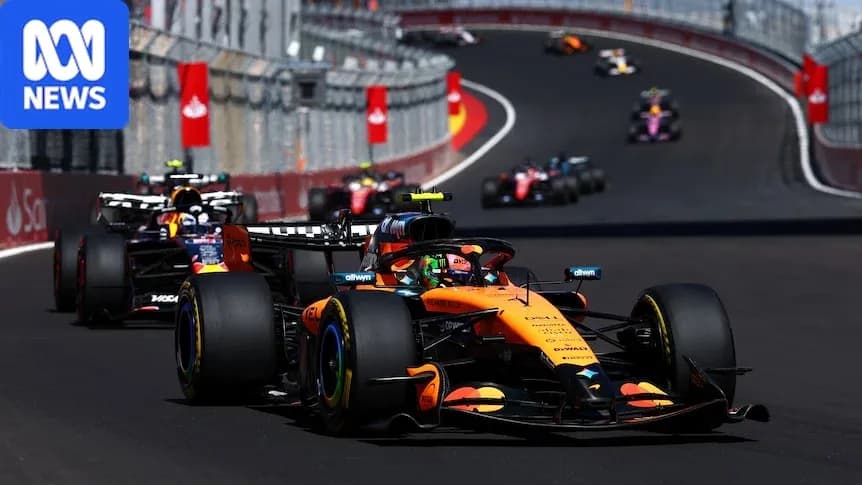
From the 2027 season, the maximum race distance for grands prix will be cut from 305km (189.5 miles) to 290km (180.2 miles), a significant shift for a sport that has long treated 300km as sacred ground. The move comes as part of a broader package of changes signed off by the F1 Commission and rubber-stamped by governing body the FIA.
Harder Time Limits, More Finished Races
Races will still be capped at two hours of green-flag running, but the way disrupted grands prix are handled is being reworked.
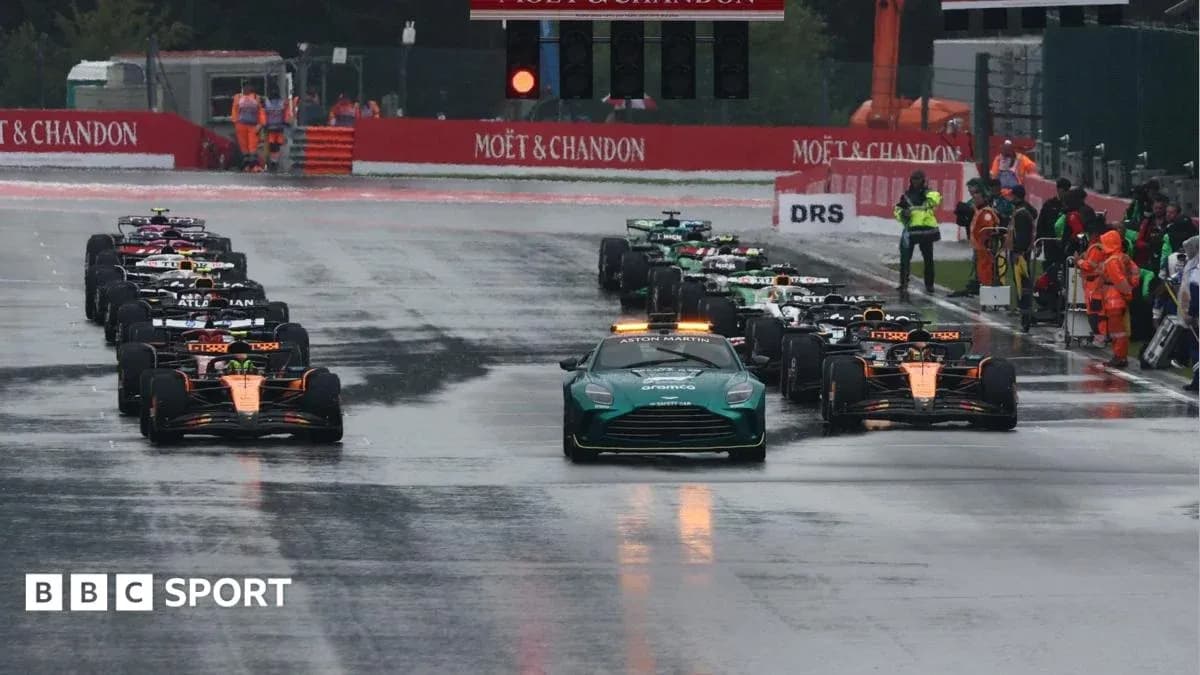
The current three-hour overall time limit, which includes stoppages for red flags and safety delays, will be replaced by a new “hard stop time”. Once that limit is reached, the race is over, no matter what. The twist is that this hard stop will not be a fixed, one-size-fits-all number.
It will vary by event, tailored to local conditions. Night races, for example, will be allowed to run later under the floodlights, while traditional daytime grands prix in venues with early sunsets will face tighter cut-offs.
The FIA framed the change in simple terms: it is about giving spectators the best possible chance of seeing a full race distance, even when chaos breaks loose with rain, crashes, or lengthy clean-up operations. Less ambiguity, fewer half-finished processions.
Why the Shorter Distance?
The decision to trim 15km from the maximum race length is rooted in the sport’s changing power units.
From this year’s 53-47 split between internal combustion engine and electrical power, the balance will shift to 58-42 next season, and then to 60-40 in 2028. That tilt towards the combustion engine means one thing: more fuel burned over the same distance.
Behind closed doors, another complication emerged. Some teams plan to carry over their existing chassis into next year to save costs. The fuel tank is integrated within the chassis, so its size is effectively locked. With engines demanding more fuel and tanks unable to grow, a problem appeared on the horizon.
Over a full 305km, those cars might simply not have had enough fuel to reach the chequered flag.
The solution is blunt but effective. Shorten the race. Keep the tanks. Avoid forcing teams into expensive redesigns while the sport moves into a new engine era.
Practice Sessions Get Breathing Space
The F1 Commission also signed off on a more subtle but important tweak to the weekend format: greater flexibility to extend free practice sessions if they are interrupted.
Right now, when a practice session is red-flagged after an accident or debris on track, the clock keeps ticking. Valuable running time evaporates while cars sit in the garage and marshals work. That stands in contrast to qualifying and races, where the clock stops under a red flag.
From 2027, officials will have more room to add time back to disrupted practice sessions, helping teams recover lost laps and data. It is a small change on paper, but in an era of tightly controlled testing and limited track time, every extra minute matters.
Shorter races, harder time limits, more flexible practice: Formula 1 is trimming the fat and tightening the frame. The question now is how teams, already juggling fuel strategy, tyre life, and energy deployment, will rewrite their playbooks for a 290km world.