.svg&w=384&q=75 "logo")
Filip Hrgovic Shocks Moses Itauma in Heavyweight Title Clash
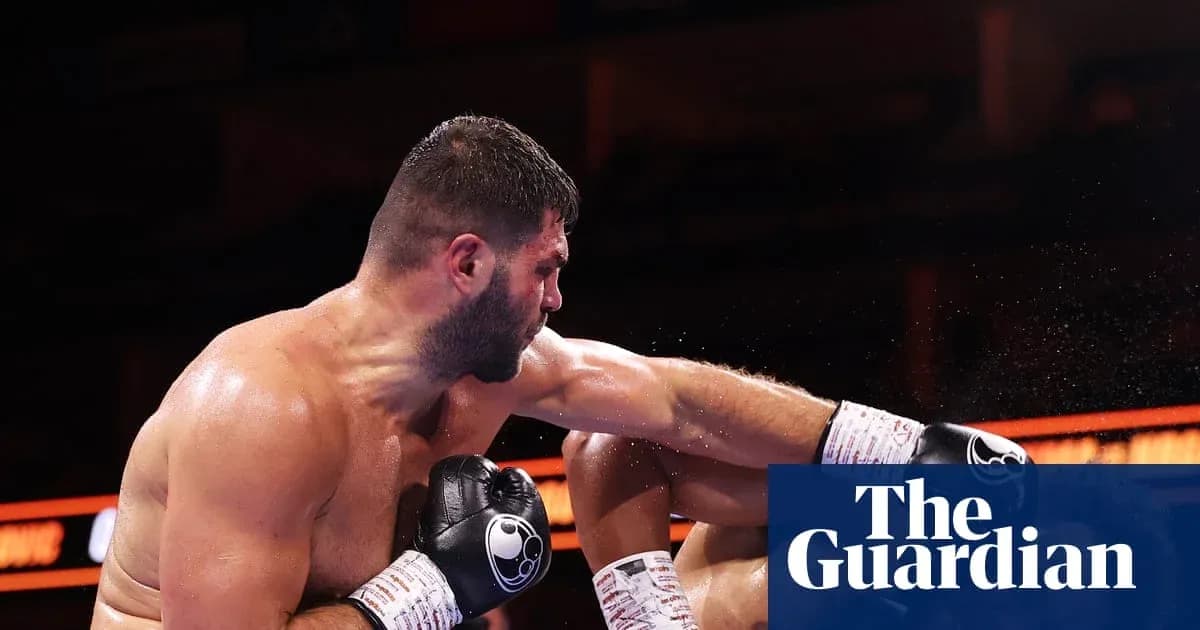
Moses Itauma walked to the ring like a man heading to fulfil a prophecy. Twenty-one years old, a packed arena chanting his name, a world heavyweight title on the line and history within touching distance. For eight rounds, it looked as if the script would hold. Then Filip Hrgovic tore it up.
The 34-year-old Croat, written off by many as too slow, too basic for this kind of prodigy, became the storm Itauma could not escape. By the time the referee waved it off in the ninth, as Ben Davison’s white towel floated into view, the dream of boxing’s second-youngest heavyweight champion lay in pieces. Itauma was slumped against the ropes, exhausted, broken, and soon carried out on a stretcher, apparently with a knee injury. The damage that really mattered, though, had come from Hrgovic’s fists and his refusal to accept the role of stepping stone.
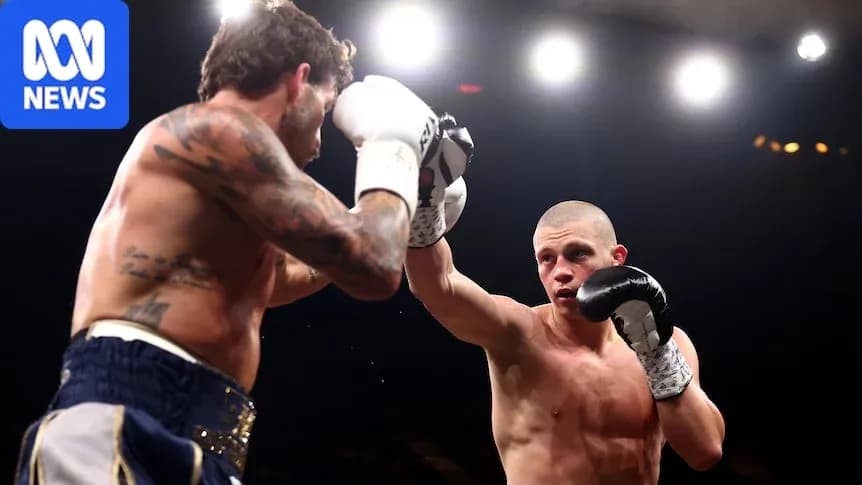
For much of the night, this looked like a coronation. Itauma, fighting southpaw, started fast and sharp, landing the first meaningful punch with a sweeping right hand. He moved with menace, clipping Hrgovic with quick, cuffing shots, then driving him back with a thudding right cross that shook the bigger man early. The speed difference was glaring. Itauma’s combinations snapped, cracked and disappeared before Hrgovic could set his feet.
The second round underlined the gulf. Itauma missed with a wild, scything left, but as Hrgovic stepped in, he walked straight onto a short, jolting right hook. The Croat crashed to the canvas and rose at eight, his title bid already teetering. Itauma chased him, stitching together another blistering combination before the bell. It looked ominous for Hrgovic. A veteran of nine professional years was being schooled by a fighter who had never gone beyond six rounds.
Still, Hrgovic did not fold. At the start of the third, a sharp left snapped his head back, sweat spraying under the lights. Itauma dug to the body, sinking a cruel shot into Hrgovic’s midriff. The kind of punch that makes strong men wilt. The Croat didn’t. From ringside, his supporters roared into life, sensing that their man, finally, was finding footholds in the fight. He began to land the occasional reply, enough to show that his ambition was intact.
Itauma remained in control, but the pace was taking a toll. By the fifth, the young challenger’s face betrayed the strain. He grimaced between exchanges, breathing heavily, at one point using his glove to shove his black gum shield back into place. It was the first real crack in his previously impassive mask. Even then, he still produced moments of class: a beautiful short left that threaded through Hrgovic’s guard, a spiteful uppercut at the bell that rocked the Croat’s head on the thick column of his neck.
Hrgovic bled, literally, for this title. A cut above his right eye began to seep, a thin trickle of blood tracing down his face. Itauma kept firing, but just before one of the bells Hrgovic answered with heavy shots of his own. Itauma took them and returned fire. The fight, once a one-sided showcase, had become a contest. You could feel the temperature rise.
The seventh round dragged Itauma into territory he had never known. He had never boxed beyond six, and now he was pushing into deep water with a seasoned professional who had lost only once in nine years. Still, Itauma boxed with enough authority to force Hrgovic onto the back foot again, stitching together deft combinations that suggested he remained in command.
That illusion died in the eighth.
Itauma continued to land, hammering Hrgovic with one meaty blow after another. Yet something had shifted. The younger man’s legs grew heavy, his movements slower, his shoulders sagging between attacks. Hrgovic, astonishingly, rallied again. The older man’s face was marked and leaking, but his will hardened. He walked through Itauma’s punches, drawing the 21-year-old into the kind of trench warfare he had never experienced.
The pressure finally told. Itauma’s stamina, so rarely tested, suddenly deserted him. The woozy weave in his movement betrayed a fighter running on fumes. Hrgovic sensed it instantly. He pressed forward with granite determination, turning the ring smaller, forcing exchanges on his terms. The ninth round became a reckoning.
Under a barrage of punches, Itauma sagged back against the ropes, his responses slower, his defence ragged. Hrgovic opened up with renewed conviction, each shot another nail in the coffin of the upset that had once seemed impossible. Referee and trainer reached the same conclusion at almost the same moment. As the official stepped in to halt the contest, Davison’s white towel sailed over the ropes, a stark, fluttering concession that their man could not be saved from a knockout.
Hrgovic, battered but triumphant, had just carved his name into history. He became Croatia’s first world heavyweight champion, an extraordinary milestone for a nation with no deep boxing tradition. This was not just a comeback; it was a statement of will, of stamina, of belief.
He knew it, and he knew how close he had come to defeat. “Let me tell you something,” Hrgovic said afterwards. “It was not me tonight. It was Jesus Christ in me. Holy Spirit. Father, Son and the Holy Spirit. It was not me. I was losing every round. I was outboxed. And I don’t know from where I got energy in that ninth round. And it was really not my strength. It was the Holy Spirit.”
Then he turned to the beaten man who had threatened to eclipse him. “He’s an amazing fighter,” Hrgovic said of Itauma. “I want to thank him for accepting this fight, to give me a chance to become a new superstar in the heavyweight division. I’m the present and he’s definitely the future.”
That future will now be shaped by pain and reflection. Itauma’s talent is undeniable, his skill set as rich as advertised. Yet this was a brutal reminder of heavyweight truth: youth and brilliance mean little when set against a seasoned, world-class opponent who refuses to surrender. Inexperience cost him dearly. Instead of boxing safely once fatigue crept in, instead of managing the clock and the distance from the eighth round onwards, he allowed pride and adrenaline to drag him into a slugfest he could not sustain.
Throughout fight week, Hrgovic had prodded at Itauma’s psyche, warning that becoming world champion so young would be “bad for his soul”. Itauma, wary of fame and suspicious of the spotlight, did not dismiss the idea. There were hints of a young man still wrestling with the scale of what he was trying to do, uncertain deep down whether this opportunity had come too soon.
On this evidence, it had. Hrgovic was the acid test of Itauma’s much-lauded credentials, the kind of hard, unyielding professional every prodigy must eventually face. The expectation had been that he would struggle with Itauma’s footwork, hand speed, clarity of thought and the whipping power that arrives from strange, dizzying angles. Instead, it was Itauma who found himself suffocated by Hrgovic’s superior stamina and bludgeoning self-belief.
The night ended not with a coronation but with a cautionary tale. Itauma is young enough, and good enough, to rebuild from this. Many great heavyweights have learned their harshest lessons under the brightest lights. For now, though, it is Hrgovic who holds the belt, the history, and the momentum, having delivered a ruthless reminder of how unforgiving this division remains for anyone who dares to chase its crown too quickly.