.svg&w=384&q=75 "logo")
England's Nations League Squad: Youth and Risk Under Tuchel
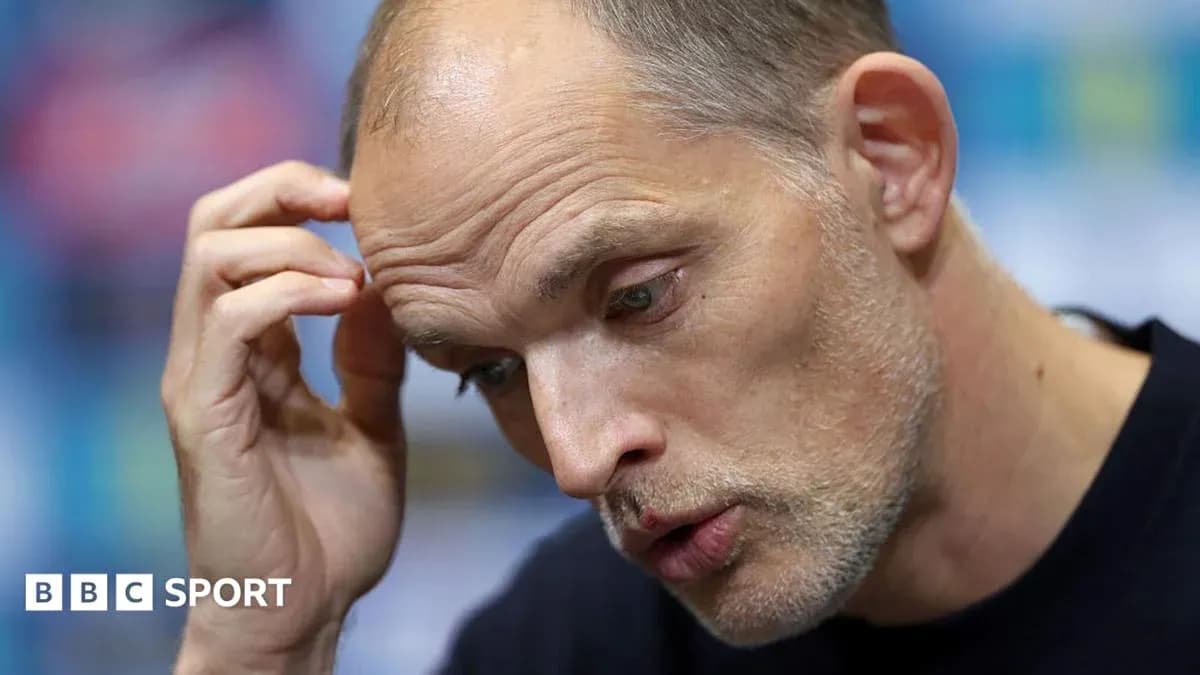
England’s latest Nations League squad dropped with the usual fanfare and a couple of very deliberate jolts. Trent Alexander-Arnold is back in the fold. Cole Palmer, Alex Scott and 17-year-old Rio Ngumoha are handed their chance. Phil Foden, the reigning world player of the year and the creative heartbeat of England’s recent tournament runs, is nowhere to be seen.
No injury caveats. No “managed minutes”. Just omitted.
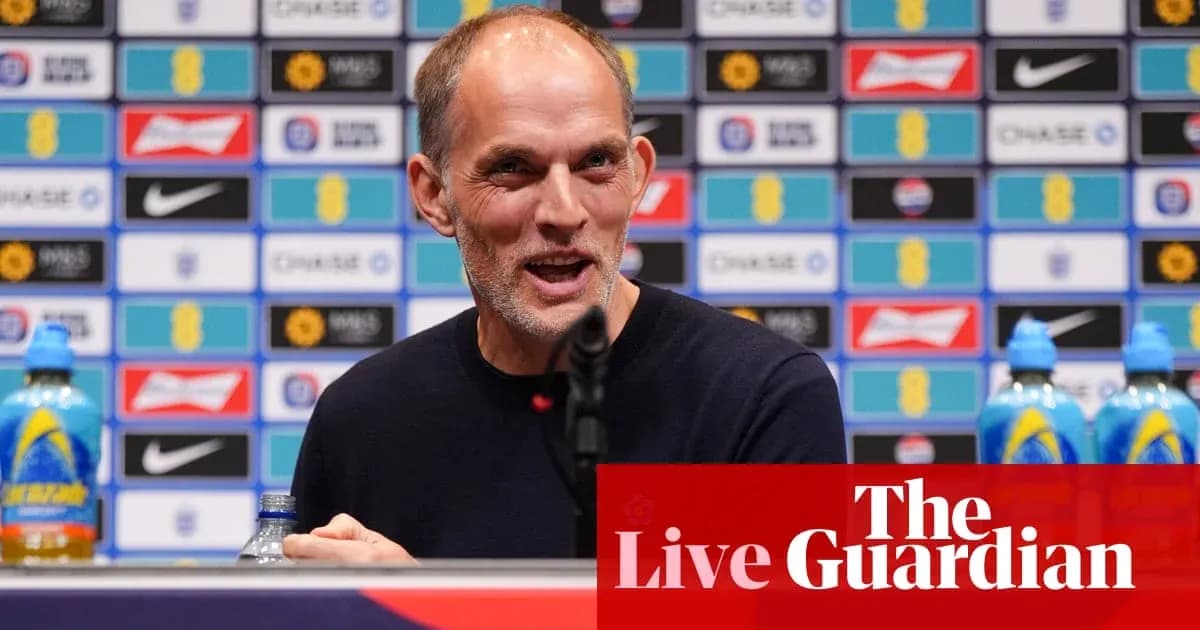
For Gareth Southgate’s successor, Thomas Tuchel, this is the first major statement of a new era – and it is a ruthless one.
A new England, and a very clear message
The headline is simple: this is a younger, more flexible, far more experimental England squad than the one that reached the World Cup semi-finals.
The 23-man group reads:
- Goalkeepers: Jordan Pickford, James Trafford, Jason Steele
- Defenders: Trent Alexander-Arnold, Jarrod Branthwaite, Trevor Chalobah, Marc Guehi, Lewis Hall, Ezri Konsa, Tino Livramento, Nico O’Reilly, Jarrell Quansah
- Midfielders: Elliot Anderson, Jude Bellingham, Myles Lewis-Skelly, Kobbie Mainoo, Cole Palmer, Declan Rice, Alex Scott
- Forwards: Dominic Calvert-Lewin, Eberechi Eze, Anthony Gordon, Harry Kane, Rio Ngumoha, Marcus Rashford, Morgan Rogers, Bukayo Saka
It is a squad that screams “reset” – and not just because of the names included. It’s the ones left out that sting. Foden is the obvious lightning rod, but Adam Wharton and Morgan Gibbs-White remain on the outside looking in, omissions that already have supporters asking pointed questions.
Wharton’s continued absence has baffled plenty. So too Gibbs-White, whose form and versatility would seem tailor-made for a Nations League campaign that should, in theory, be used for experimentation. The debate has already started, and it will not quieten before the first ball is kicked.
Foden out, Palmer and Bellingham in the spotlight
Leaving out Foden is not a tweak. It is a shock to the system.
Tuchel has inherited an England side that for once knew its own mind: Kane as the fixed point, Bellingham breaking lines, Foden drifting between roles and zones, Saka wide, Rice as the anchor. Southgate’s critics rarely questioned his faith in those pillars.
Tuchel has taken one of them away.
That immediately sharpens the focus on Bellingham and Palmer. Bellingham, already a superstar, now becomes the unchallenged reference point in midfield creativity. Palmer, who has forced his way into the elite conversation at club level, is suddenly not just a squad curiosity but a genuine option to start in the pockets where Foden once lived.
The balance of this squad hints at a more fluid, technically dominant midfield. Rice, Mainoo, Anderson, Lewis-Skelly and Scott give Tuchel a blend of control, progression and press resistance. Bellingham and Palmer add incision. The risk? You remove Foden’s unique ability to bend games to his will and trust that the collective can replace that singular spark.
It is a brave call. It is also entirely deliberate.
Youth, risk and the Rio Ngumoha moment
If the Foden decision is the headline, Rio Ngumoha is the exclamation mark.
The Liverpool teenager has yet to make a serious dent at senior level, but he is now in an England squad that includes Kane, Rashford and Saka. That leap tells you everything about the way this coaching staff view the Nations League: not as a nuisance, but as a live laboratory.
Ngumoha is not alone. Myles Lewis-Skelly, Nico O’Reilly, Jarrell Quansah, Morgan Rogers – the names read like a scouting department’s wish list rather than a manager’s safe bet. This is calculated risk-taking, and it cuts directly against the old accusation that England caps are too hard to earn for young players outside the established big-club hierarchy.
The message to the next generation is unmistakable: perform, and you’re in. Reputation alone no longer guarantees a seat on the plane.
Old guard, new demands
Amid the churn, some faces remain immovable. Kane is still the captain and the focal point. Saka and Rashford keep their places in the forward line. Pickford, as ever, holds the gloves when it matters.
But even they will feel the shift around them.
Behind Kane, Dominic Calvert-Lewin is back in the national conversation, a reminder that England still value a traditional No 9 who can occupy defenders and attack crosses. Around the captain, Eze, Gordon, Rogers and Ngumoha bring different types of movement and threat. It is not hard to imagine Tuchel trialling more interchanging front threes, more rotations, more chaos.
At the back, Trent Alexander-Arnold’s listing among the defenders is another subtle clue. Is he a right-back, an inverted full-back, a deep-lying playmaker? Tuchel has long been a coach who thrives on hybrid roles and tactical puzzles. Alexander-Arnold is the ultimate chess piece in that regard.
The centre-back pool – Branthwaite, Guehi, Quansah, Konsa, Chalobah – is tall, aggressive, and comfortable stepping into midfield. It points to a side that wants to defend higher and dominate territory, not simply survive in it.
The politics of omission
International football is never just about tactics. It is about status, ego, timing and the mood of a nation.
Foden’s absence, Wharton’s continued exile and Gibbs-White’s omission feed into the wider conversation already swirling around Tuchel. The World Cup semi-final exit still hangs in the air. The email inboxes and phone-ins are full of arguments about his substitutions, his game management, his perceived stubbornness.
Some supporters and pundits see a manager who brought clarity and structure after years of muddled thinking. Others see a coach who blinked at the crucial moment against Argentina and has yet to fully answer for it.
This squad will not end that argument. It will intensify it.
If the new faces shine, Tuchel will be hailed as the man who accelerated England into their next phase without sentimentality. If the Nations League campaign stutters, the absence of Foden and the snubs for Wharton and Gibbs-White will be thrown back in his face as needless self-sabotage.
A turning point, or a misstep?
Strip away the noise and one thing is clear: this is not a caretaker squad. It is a manifesto.
Tuchel has chosen youth over comfort, flexibility over familiarity, and bold calls over diplomatic ones. He has taken on the responsibility of reshaping a team that had already reached the latter stages of major tournaments and decided that “good enough” is not enough.
That kind of gamble defines international reigns. It either hardens a team for the next tournament, or it fractures trust before the real tests arrive.
The Nations League will provide the first clues. Will this be remembered as the moment England stepped decisively into a new cycle – or the day a manager picked a fight with one of his best players and gave his critics all the ammunition they needed?